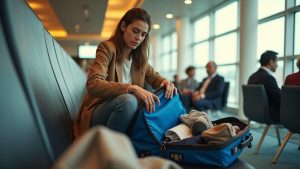
Airplane cabins have a reputation for being germ factories, and honestly, they kind of are. You’re sharing recycled air with hundreds of strangers in a space where tray tables get wiped down maybe once a day. It makes sense to want some protection.
But here’s where things get tricky. Walk into any travel store and you’ll find an overwhelming array of products promising to shield you from every microbe imaginable. Portable UV wands. Face masks with filters. Antibacterial everything. It’s easy to end up with a carry-on that looks like a mobile decontamination unit.
The truth is, you don’t need all that stuff. Most of it either doesn’t work as advertised or solves problems that aren’t actually problems. What you do need is a small, smart selection of items that target the real risks without turning you into that person frantically sanitizing their armrest for ten minutes straight.
This guide will help you pack exactly what matters for germ free air travel. We’re talking about the handful of things that genuinely reduce your exposure to viruses and bacteria, fit easily in your bag, and won’t make you feel like you’re suiting up for a hazmat mission. No hype, no unnecessary extras, just the practical essentials that let you fly with confidence and arrive feeling good.
Focus on the moments that spread germs
The good news is that germs don’t just float around attacking you. They need a pathway. On planes, that pathway is almost always your hands.
Think about the journey from curb to cruising altitude. You’re touching ticket kiosks, security bins, bathroom door handles, and gate area seats. Once you board, your hands meet the tray table, seatbelt buckle, armrests, and that touchscreen loaded with everyone else’s fingerprints. Every surface dozens or hundreds of people touched before you.
The problem isn’t the surfaces themselves. It’s what happens next. You touch your face without thinking. You open a snack. You rub your eyes. That’s when germs that were sitting harmlessly on your fingers get a free ride to somewhere they can actually cause trouble.
You’ll also spend time in tight spaces during boarding and deplaning, squeezed into aisles and jet bridges with strangers. Close contact matters, especially if someone near you is coughing or sneezing.
Here’s the thing: you’re not trying to create a sterile bubble. That’s impossible and honestly unnecessary. The goal is simply reducing your exposure at the moments that matter most. Clean your hands before eating or touching your face. Wipe down the surfaces you’ll be leaning on and touching repeatedly during the flight.
When you pack with these specific moments in mind, you avoid both under-preparing and turning into the person frantically sanitizing the overhead bin. You bring what handles the real risks and leave the rest behind.
Pack a small core kit you will actually use
The secret to germ-free air travel isn’t carrying every hygiene product on the shelf. It’s bringing three things that work well together and fit in your carry-on without drama.
Start with travel disinfecting wipes. These are for the quick wipe-down when you first sit down: your tray table, armrest, seatbelt buckle, and anything else you’ll be touching for the next few hours. Look for packs that reseal properly so they don’t dry out by your return flight. A small pack of 15 or 20 wipes is plenty for most trips.
Next, pack a portable hand sanitizer in a leak-proof bottle. This is for all those in-between moments when you can’t wash your hands but probably should. After you’ve handled the bathroom door. Before you eat your snack. After flipping through the in-flight magazine. Choose something that dries quickly so you’re not sitting there with wet hands. The two-ounce bottles fit easily in your pocket or purse and sail through security.
Finally, bring tissues or a small pack of napkins. These are your barrier between you and the world. Use them to open the bathroom latch, handle the tray table when it’s still wet from your wipe-down, or grab that scratchy airplane blanket. They’re also handy when your nose starts running from the dry cabin air.
Together, these three items cover almost every hygiene situation you’ll face from boarding to landing. They’re small enough that you’ll actually carry them and use them instead of leaving them buried at the bottom of your bag.
Use wipes and sanitizer at the right times
Wipes and hand sanitizer do different jobs, and knowing which to use when helps you avoid wasting supplies or second-guessing yourself mid-flight.
Use travel disinfecting wipes for surfaces. When you first sit down, give your tray table and armrests a quick wipe. Let them air-dry for a minute if you can—it gives the disinfectant time to work. That’s really all the surface cleaning most travelers need. You’re not trying to sterilize the plane, just reduce what you’re touching directly.
Hand sanitizer is for your hands, not surfaces. Use it after you’ve touched things lots of other people handle: seatback pockets, overhead bin latches, bathroom door handles, or those airport check-in kiosks. Use it again right before you eat or touch your face.
Here’s the part people forget: washing your hands with soap and water in the airplane bathroom beats sanitizer when it’s practical. The sink is right there during the flight, so use it. Then follow up with sanitizer after you leave the bathroom, since you’ll touch the door handle on your way out.
You don’t need to sanitize every five minutes or wipe down every surface twice. Planes aren’t sterile, but they’re not uniquely dangerous either. The goal is just to break the chain between high-touch surfaces and your face or food. Do that at key moments—after touching shared objects, before eating—and you’re covering the basics without overthinking it.
Understand what helps with airplane air and what doesn’t
Personal air purifiers have become trendy travel gadgets, but they’re not the magic solution many travelers hope for. These small devices sit on your tray table or hang around your neck, promising to clean the air in your personal space. The problem is that airplane cabins are tight, crowded spaces with constant air movement. Your neighbor is inches away, people walk past constantly, and air circulates throughout the cabin whether your little purifier likes it or not.
A personal air purifier might slightly improve the air directly in front of your face, but it can’t create a protective bubble around you. For the money and packing space they require, they’re rarely worth being your first defense. Think of them as nice-to-have extras, not essentials.
What actually works better? Start with the overhead air vent above your seat. Pointing it toward your face creates a gentle downward flow that can help direct airborne particles away from your breathing zone. It’s free, already installed, and doesn’t take up any luggage space.
Keeping your hands away from your face matters more than most gadgets. Germs spread when you touch contaminated surfaces and then touch your eyes, nose, or mouth. This is where your portable hand sanitizer and travel disinfecting wipes earn their spot in your carry-on.
If you want an extra layer of protection for the air you breathe, a well-fitting mask is more effective and more affordable than most personal air purifiers. It’s a straightforward choice that doesn’t require batteries, setup, or explanations about how well it might work in theory.
Bring a few airplane accessories that also support hygiene
The smartest items for germ free air travel are the ones that pull double duty. They make your flight more comfortable while also reducing how often you touch shared surfaces or handle food from unknown sources.
Start with a refillable water bottle. You control what goes in it and when it gets cleaned. That beats accepting cups from the drink cart or touching the bathroom faucet every time you’re thirsty. Fill it after security and you’re set.
Pack a snack or two you actually like eating. This isn’t about avoiding airplane food on principle. It’s about having an option when you’re hungry but don’t want to handle wrapped items that dozens of people may have touched before they reached your tray table. A granola bar in your bag means one less decision to second-guess.
Bring your own earbuds or a simple phone stand if you plan to watch something. The seatback screen has been touched by everyone in your seat since the last deep clean, which might have been yesterday or last month. Your phone stays in your control. If you do use the screen, a quick wipe beforehand solves the problem.
Finally, toss a small zip pouch in your carry-on. Use it to separate clean items like your earbuds or snacks from things you’ve already used, like your mask or those travel disinfecting wipes after you’ve wiped down your area. It’s a tiny habit that keeps you from wondering what’s been where.
None of these airplane accessories require extra space or special shopping trips. They just ask you to think one step ahead about what you’ll actually touch during the flight.
Set up your carry-on so clean items stay clean
You packed all the right cleaning supplies, but they won’t help much if they’re buried at the bottom of your bag. The key is making your sanitizer and wipes easy to grab without digging around. Put them in an outer pocket or the very top of your bag where you can reach them in seconds.
Here’s why that matters. Every time you rummage through your bag, you’re touching more stuff with hands that might have just touched the tray table or armrest. The more you dig, the more you’re spreading germs around inside your own bag.
Keep the things you’ll touch frequently in one designated spot. Your phone, boarding pass, and passport should live together in an easy-access pocket. This way you’re not fishing around every time you need to show your documents or check your gate.
Now for the less glamorous part: you need a plan for dirty stuff. Tuck a small zip-top bag or grocery bag somewhere accessible. After you wipe down your seat area, those used wipes need to go somewhere that isn’t floating loose in your bag or shoved in the seat pocket. Same goes for any tissues, snack wrappers, or other trash you accumulate during the flight.
Think of it as creating two zones in your bag. Clean stuff stays in one area, potentially contaminated items go in another. It’s not about being paranoid. It’s just basic sense to avoid recontaminating the hand sanitizer you’re about to use or the snacks you’re about to eat.
Plan for the germy pinch points before and after the flight
Your plane seat gets most of the attention, but some of the germiest moments happen before you even board. Security bins are touched by hundreds of travelers a day, and you just put your phone, wallet, and keys right in them. That’s the perfect time to use your portable hand sanitizer once you’ve cleared the checkpoint and gathered your things.
Boarding passes and ID cards change hands multiple times at check-in and the gate. Your gate seat armrests have hosted dozens of waiting passengers that day. If you’re settling in for a long wait, a quick pass with a travel disinfecting wipe makes sense. You don’t need to scrub the whole chair, just the parts you’ll be touching for the next hour.
Bathroom door handles are another high-contact zone worth thinking about. Use a paper towel to open the door on your way out, or hit your hands with sanitizer right after. Small habit, easy fix.
Once you land, the germ story continues. Overhead bin handles, escalator rails, and rideshare door handles are all shared by tired travelers who may not have your hygiene game. A quick sanitizer application after stowing or retrieving your bag keeps your hands clean until you can wash them properly.
The key is matching your simple kit to these specific moments. You’re not trying to sterilize the airport. You’re just giving yourself a quick reset after the highest-contact interactions. That’s how a few compact items handle the whole journey without turning into a production.