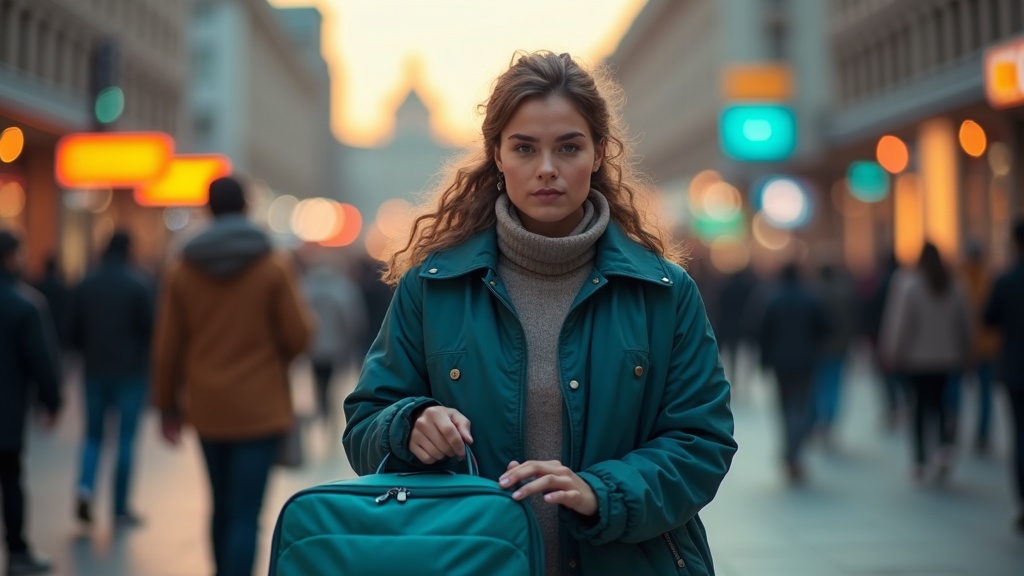
Nobody wants to spend their vacation worrying about thieves. But the truth is, pickpockets do work tourist areas, and losing your wallet or phone abroad can turn a great trip into a stressful mess. The good news? You don’t need to walk around clutching your bag like you’re being chased or wear a money belt under three layers of clothing.
Protecting your stuff while sightseeing mostly comes down to a few simple habits and maybe one or two small upgrades to how you carry things. We’re talking about practical choices that fit into normal travel, not extreme precautions that make you feel like you’re on a spy mission.
Think of bag security the same way you think about locking your front door at home. It’s not about being paranoid. It’s just about making yourself a slightly harder target than the person standing next to you. Pickpockets look for easy opportunities, so even small changes to where you put your phone or how you wear your bag can make a real difference.
This guide walks through the basics that actually matter when you’re out exploring a city. You’ll learn which bags work best, where to stash your valuables, and what simple habits help keep opportunistic thieves at bay. None of it requires special training or awkward gear. Just a bit of awareness and some smart packing choices before you head out for the day.
Choose a bag that does some of the work for you
Not all bags are equally easy to steal from. Some designs naturally make a pickpocket’s job harder, and those features don’t have to cost much or look like military gear.
The biggest thing to look for is where the zippers sit. If your bag opens on the side facing away from your body, someone walking behind you has direct access. Bags that open against your chest or hip are much harder to reach without you noticing. That’s why crossbody bags usually beat backpacks in crowded spaces like metros or street markets.
Anti-theft bags take this further with zippers that tuck under flaps, hidden compartments, or closures that require two hands to open. They’re not theft-proof, but they do buy you time. A thief scanning a crowd will usually skip the bag that takes effort and go for the easier target next to you.
If you already have a favorite bag, you can add small upgrades yourself. Clip a carabiner or small luggage lock through your zipper pulls so they can’t be quietly slid open. It won’t stop a determined thief with a blade, but most pickpockets work fast and light. They’re not carrying tools.
Some pricier bags advertise slash-resistant straps or fabric panels. These can help, though slashing is far less common than unzipping. If you’re debating whether to invest, think about where you’re going and how crowded it gets. A simple crossbody with inward-facing zippers will handle most situations just fine.
Inside the bag, keep your valuables in interior zippered pockets rather than loose in the main compartment. It adds one more barrier if someone does get their hand inside.
Set up your zippers and closures so they’re annoying to open
The easiest thing you can do is make your bag slightly irritating for someone else to open. Not impossible, just annoying enough that a pickpocket will move on to an easier target.
Start with the obvious: keep all zippers fully closed. It sounds simple, but half-open bags are low-hanging fruit in crowded places. When you’re wearing a backpack, turn it so the zipper pulls face your body or sit against your back. That way someone behind you can’t just slide them open without you noticing.
If your bag has two zipper pulls that meet in the middle, clip them together with a small keyring or even a paperclip. This makes it much harder to open the bag with one quick motion. The person would need to use both hands and fiddle with it, which creates time for you to notice.
Travel locks can be useful in specific situations, like when your backpack is stored overhead on a long bus ride or tucked under your seat on a train. Thread a small combination lock through the zipper pulls, and it becomes genuinely difficult to access. But don’t lock everything all the time. You’ll just annoy yourself when you need to grab your water bottle or phone quickly.
The key is balance. A lock makes sense when your bag is out of sight or you’re distracted for a while. It’s overkill when you’re just walking around with your bag on your shoulder. And whatever you do, test your lock combination before you travel so you don’t accidentally lock yourself out on day one.
Wear your bag with intent in crowds
The way you wear your bag changes everything when you’re navigating busy streets or packed metro cars. Most pickpockets aren’t master criminals. They’re looking for easy opportunities, and a bag swinging behind you on a crowded train is exactly that.
If you’re carrying a crossbody bag, bring it around to your front when you’re in tight spaces. It sounds simple, but this one move eliminates most grab-and-open attempts. Your bag stays in your peripheral vision, and anyone trying to unzip it has to work right in front of you.
Backpacks work the same way. On a jammed subway or in a festival crowd, swing it around to your chest. Yes, you’ll look like a tourist. But you’ll be a tourist with all your stuff still inside the bag.
In moderately crowded places like busy plazas or market aisles, keep one hand resting lightly on your bag. Not clutching it in a death grip. Just a casual hand on the strap or body of the bag. This tells anyone watching that you’re aware of it, and they’ll usually move on to someone less attentive.
Pickpockets often work in moments of distraction. Someone bumps you from one side while another person opens your bag from the other. Or they cluster near doorways and turnstiles where you’re focused on not tripping. These aren’t scary confrontations. They’re quick, anonymous moments that rely on your bag being out of reach or out of mind.
Positioning your bag deliberately doesn’t mean walking around in fear. It just means treating your bag like you’d treat your phone in a crowd: keeping it close and aware of where it is.
Keep the important stuff out of easy reach
Think of your bag like a layered system. The stuff you need constantly should be easy to grab. The stuff that would ruin your trip if stolen should be buried deeper. It’s not complicated, but it makes a huge difference.
Your phone and wallet are the two things pickpockets want most, and they’re also the two things people mindlessly tuck into outer pockets. Don’t do this in crowded places. A metro station at rush hour or a packed tourist site is exactly when those easy-access pockets become a liability. Keep your phone and main wallet inside the bag, in a zipped compartment.
For daily odds and ends like lip balm, a snack, or tissues, the outer pocket is fine. For things like your metro card or a museum ticket you’ll need in the next five minutes, keep them in a front pocket you can see or a side pocket you can monitor. The key is not exposing your passport or credit cards every time you pull out a transit pass.
Your most valuable items—passport, backup bank card, emergency cash—should live in the hardest place to reach without you noticing. Many bags have hidden travel pockets along the back panel or inner zipped sections. If yours doesn’t, consider a small pouch clipped to an interior loop or strap. Some people use a flat zippered pocket sewn inside the lining. The goal is simple: a quick unzip from the outside shouldn’t give a thief access to everything that matters.
This layered approach takes about ten seconds to set up each morning, and it means you’re not constantly paranoid or fumbling. You can still get to what you need without turning your bag into a fortress.
Avoid the common mistakes that create openings
Most pickpocketing happens because we get distracted or lazy, not because thieves are criminal masterminds. You pull out your phone, dig around for sunglasses, grab your water bottle—and forget to zip the bag back up. That open zipper is an invitation. The fix is embarrassingly simple: take two seconds to zip and check before you walk away.
Cafés and restaurants are prime hunting grounds, but not because you should avoid them. The mistake is hanging your bag on the back of your chair where you can’t see it, or tucking it under the table where someone at the next table can quietly slide it away with their foot. Instead, loop the strap around your chair leg and sit on part of it, or keep the bag in your lap. If you’re on a bench, put it between your feet or hold it on the side away from foot traffic.
Paying for things is another moment when focus drifts. You’re counting coins, checking a receipt, or waiting for the card reader—and your bag is dangling open on your arm or sitting unattended next to the register. Just rest it against your body or tuck it under your arm while you finish the transaction.
None of this requires special gear or hyper-vigilance. It’s just about noticing the moments when your attention splits and making tiny adjustments. You’re not preparing for a heist. You’re just closing a zipper and keeping your bag where you can feel it.
Handle high-risk moments with simple rules
Most pickpocketing happens during a handful of predictable moments. Learn to recognize them, and you’ll be ready without overthinking it.
Public transport is the classic risk zone. When you’re boarding a crowded bus or metro, move your bag to the front of your body before you step on. Same goes for getting off. Those few seconds when everyone’s pushing through the doors are exactly when someone can unzip your bag from behind. Make it a habit to zip everything closed one stop before yours.
Escalators and stairs in busy stations are another favorite spot. You’re boxed in, focused on not tripping, and your bag is at someone else’s eye level. Just swing it forward or hold it against your chest until you’re clear.
Crowded viewpoints, street performances, and markets create natural opportunities for thieves. When you’re watching something interesting or squeezing through a packed aisle, your attention is elsewhere. That’s the point. Some pickpockets work in pairs—one asks you a question or bumps into you while the other goes for your bag.
If someone approaches you in a crowded spot and something feels off, just create space. Step back, put your hand on your bag, and politely move away. No need to accuse anyone or make a scene. Simply touching your bag and being aware is often enough to make you an unappealing target.
One more simple rule: don’t hold your phone and your wallet at the same time while you’re distracted. If you’re checking directions or taking a photo in a crowd, keep your valuables secured first. It only takes a second to lose something when your hands and mind are busy.
Use your phone and wallet in a less flashy way
Every time you pull out your phone or wallet, you’re creating a little window of opportunity for pickpockets. You’re distracted, your hands are full, and your bag is often hanging open or forgotten for just a second. That second is all it takes.
The easiest fix is to step out of the flow of foot traffic before you do anything. Don’t stop in the middle of a busy sidewalk or right at the top of subway stairs to check your map. Move to the side, ideally near a wall or shopfront, where you can keep your bag in front of you and no one can brush past from behind.
When you’re holding your phone, use a proper grip or loop your wrist through a strap if you have one. Phones get snatched from loose hands all the time, especially near train doors or street corners where someone can grab and run. Keep it close to your body, not dangling near the platform edge or out over a cafe table.
The same thinking applies to paying for things. Get your card or cash ready before you reach the counter or ticket machine. Don’t stand there with your whole wallet open, shuffling through receipts and loyalty cards while your bag sits unzipped at your feet. Take out what you need, zip everything back up, and then move forward.
These little habits don’t just protect your phone and wallet. They protect your bag too. Most pickpocketing happens during those quick in-and-out moments when you’re focused on something else and your usual awareness drops. Stay compact, stay aware, and don’t make yourself an easy target.
Pick a comfortable baseline you can actually keep
The best bag security strategy is one you’ll actually follow for eight hours straight. That means choosing a few simple habits that feel natural, not a complicated system that exhausts you by lunch.
Start by picking two or three things that match how you normally move through the world. If you’re comfortable wearing a crossbody bag, commit to swinging it to your front when you’re in crowded spots like metro stations or busy markets. If you prefer a backpack, maybe your baseline is keeping valuables in an inner zippered pocket and clipping the main zipper pulls together with a small carabiner or safety pin.
The key is that these habits should feel easy enough to become automatic. Think of it like locking your front door when you leave home. You don’t have to think hard about it after the first few times.
You don’t need to maintain high alert all day. When you’re sitting at a café with your bag between your feet or walking through a quiet neighborhood, you can relax a bit. The goal is to have a reliable routine for high-risk moments—boarding buses, navigating tourist hotspots, standing in ticket lines—without turning yourself into a nervous wreck.
Consistency in those specific situations matters more than doing everything perfectly everywhere. A simple routine you stick with beats an elaborate security setup you abandon after two days because it’s annoying. Choose what actually fits your travel style, practice it a few times, and let it fade into the background of your trip.