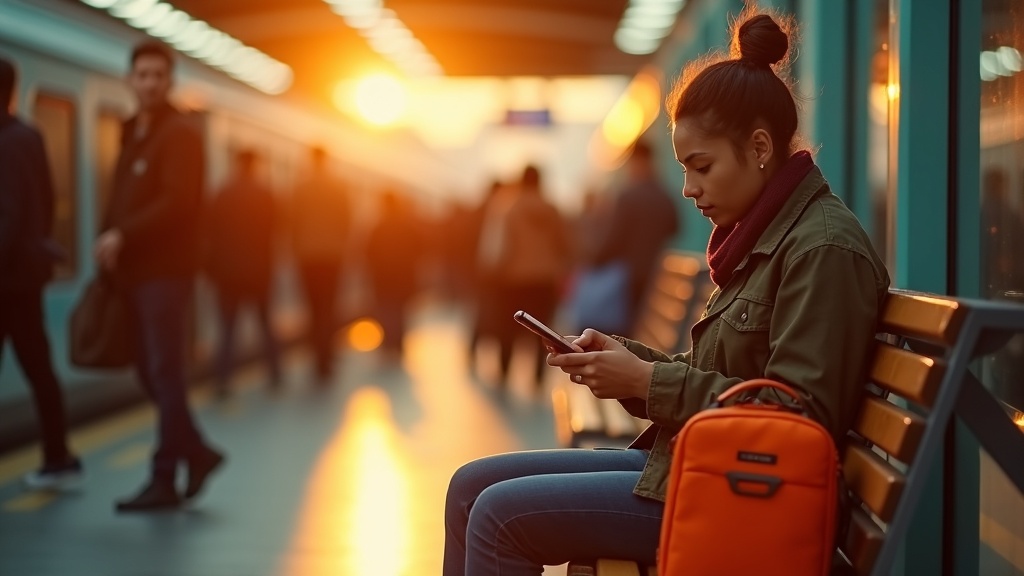
You’ve probably been told a dozen times to lock your bag when you travel. It’s solid advice, but what happens when a lock isn’t practical? Maybe you’re heading through airport security where TSA-approved locks are the only option. Or you’re staying in a hostel where you forgot your padlock. Sometimes a lock just draws attention to the fact that you have something worth protecting.
The truth is, locks aren’t the only way to keep your belongings safe. There are plenty of simple, clever techniques that make it harder for someone to tamper with your bag or walk off with it unnoticed. These methods won’t turn your backpack into a fortress, but they don’t need to. Most opportunistic thieves look for easy targets, and even small obstacles can make them move on to someone else.
Think of it this way: you’re not trying to outsmart a master thief. You’re just making your bag slightly less convenient to mess with than the one sitting next to it. A few quick adjustments before you leave your bag at a café table or stuff it in an overhead bin can make a real difference.
Whether you’re flying internationally, hopping between hostels, or just spending the day in a busy city, these no-lock strategies will help you feel more confident about your belongings. They’re easy to remember, cost nothing or next to nothing, and they work in situations where a traditional lock would be useless anyway.
Start with the bag’s built-in weak points
Before you think about locks or cables, take a good look at your bag itself. Most bags have built-in vulnerabilities that make a thief’s job ridiculously easy, and a lock won’t fix them.
Outer pockets are the biggest giveaway. Those front pouches where you stash your phone or snacks? They’re perfect for someone walking past you in a crowd. Same goes for side pockets with loose elastic or magnetic closures. If you can reach into them without breaking stride, so can someone else.
Check your zippers next. Can you pull the zipper tab with one finger while barely touching the bag? That’s a problem. Loose, oversized zipper pulls are easy to open quietly. The smoother they glide, the easier they are to exploit. Contrast that with zippers that take a bit of effort or sit tucked against the fabric.
Now look at the opening itself. Wide-mouth bags and open-top totes are like leaving your front door ajar. Even if you think you’d notice someone reaching in, you probably won’t in a packed train or busy street.
Fabric matters too, but not in a technical way. Just press your thumb against the material near a seam or zipper. Does it feel like you could poke through it or stretch it wide without much force? Thin, floppy fabric won’t stand up to much.
Here’s a simple test: pretend you’re trying to steal from your own bag. Stand in front of a mirror and see how quickly you can unzip a pocket or slip a hand inside without looking directly at it. If you can do it in two seconds, that’s your answer.
Make zippers harder to open without a lock
Zippers are easy targets because they move fast and make no noise. The goal here isn’t to create a fortress. It’s to add just enough friction and awkwardness that someone looking for a quick grab will move on to an easier target.
One simple trick is to clip the two zipper pulls together with a small carabiner or even a safety pin. This doesn’t lock anything, but it does mean someone can’t just pull one zipper open in a smooth motion. They’d need to unhook or break something first, which takes time and draws attention.
Another option is to tuck the zipper pulls under a compression strap or through a fabric loop if your bag has one. When the pulls are hidden and pinned down, they’re harder to grab quickly. You can also use a thick rubber band or hair tie to bind the two pulls together tightly. It looks innocent, but it creates resistance when someone tries to yank the zipper open.
Some travelers thread the pulls so they meet at an awkward spot, like the side or bottom of the bag, instead of the top where they’re easy to reach. It’s a small change, but it makes the bag less inviting to tamper with.
None of these methods will stop a determined thief with time and tools. But most theft is opportunistic. People are looking for the easiest, fastest option. Adding even a few seconds of hassle can be enough to make your bag less appealing than the one next to it.
Use visibility to your advantage in public spaces
Thieves look for easy opportunities. They want the quickest grab with the least chance of getting caught. That means they avoid situations where someone might notice what they’re doing.
Your best defense is making your bag harder to touch without being obvious about it. Keep it where you can see it, even in your peripheral vision. At a café, put your bag on the seat beside you or between your feet, not behind your back or hanging on a chair. If someone reaches for it, you’ll notice immediately.
On trains and buses, position your bag so the zippers face toward you or against the window. This makes it physically awkward for someone to open it without you feeling the movement. Avoid placing bags in the aisle or near the door where someone could grab them during a stop.
At airport gates, keep your bag in front of you rather than beside or behind your seat. If you need to set it down, loop one strap around your ankle or rest your foot on it. It sounds simple, but it works because thieves scan for unattended bags, not ones that are clearly being watched.
The key is making your bag part of your immediate space. When opening your bag would require reaching across you, bumping into you, or doing something that looks suspicious to anyone watching, most opportunistic thieves will move on. They’re looking for the bag that nobody’s paying attention to, not the one that would require effort or risk.
Make the inside slower to search with layering
Thieves work fast. They want something valuable in seconds, not minutes. If your bag opens up to reveal your phone, wallet, and passport all sitting right there, you’ve made their job easy.
Layering means putting the boring stuff on top. Think of it like burying treasure, but in reverse. Your sweater, a book, a reusable water bottle—these go near the opening. Your valuables stay deeper inside, ideally tucked into an internal pocket or wrapped in clothing.
This isn’t about being sneaky. It’s about making quick rummaging unrewarding. Someone unzipping your bag at a busy train station doesn’t want to dig through three layers of fabric and a toiletry bag to maybe find something worth taking.
Keep your essentials grouped together in a small pouch, not loose. A zippered pouch with your cards, cash, and phone is harder to grab than items floating around separately. It also means you know exactly where everything is, which helps you notice faster if something’s wrong.
Here’s where bags differ a bit. In a backpack, use the main compartment for bulky low-value items and keep valuables in the pocket closest to your back. In a tote, never leave anything valuable near the top. Push it to the bottom and pile softer items on top.
One more trick: keep one easy-to-reach outer pocket stocked with genuinely disposable things. Tissues, a cheap lip balm, maybe a snack wrapper. This gives you a place to grab small items without ever opening the main section in public. It also means you won’t be tempted to stash your phone there for convenience.
Separate what you can’t afford to lose from the bag
Here’s the uncomfortable truth: no matter how careful you are, bags can get stolen, lost, or slashed open. The smartest move isn’t just protecting your bag. It’s making sure that if something does happen, your trip doesn’t end right there.
Think about what would actually ruin your journey if it disappeared. Your passport or ID, at least one way to pay for things, your phone, and any essential medications. These are your must-keep items. Everything else is replaceable or survivable.
Keep these critical items on your body, not in your bag. A small crossbody pouch worn under your jacket works well. So does a slim waist pack positioned at your front where you can see and feel it. Many travel pants and jackets have inner zippered pockets that sit close to your body. Use them.
The key is redundancy. Don’t put all your cards in one place. Keep your main credit card on your body and a backup card buried separately in your bag or luggage. Tuck a small amount of emergency cash somewhere different from your wallet. If you’re traveling with someone, split up your payment methods between you.
This approach gives you a safety net. If your bag gets grabbed at a café or goes missing at the airport, you’ll still have what you need to get home, pay for a hotel, and call for help. That’s the difference between a bad day and a catastrophe.
It might feel overly cautious at first, but after one close call, you’ll never travel any other way.
Handle the highest-risk moments like a routine
Most bags go missing during those handful of seconds when you’re distracted, not during a dramatic heist. The real danger zones are forgettable micro-moments where your attention splits and your bag becomes background scenery.
Airport security trays are the classic example. You’re juggling your phone, shoes, belt, laptop, and liquids while people behind you shuffle impatiently. Your bag slides down the belt and out of sight before you’ve even cleared the metal detector. The simple fix: keep one hand on your bag until the very last second before it goes on the belt, and zip everything closed before you start unpacking your pockets.
Boarding lines create another gap. You’re checking your phone for the gate number or digging for your boarding pass, and your backpack is resting by your feet in a crowd of identical black bags. Just stand with one foot touching your bag or loop a strap around your ankle. It sounds overly cautious until you watch someone accidentally grab the wrong backpack and walk away.
Overhead bins are trickier because you can’t watch your bag the whole flight. Before you stow it, make sure something distinctive is visible from the aisle. A bright luggage tag, a unique strap, even a sticker helps you spot tampering the moment you open the bin.
Restroom stops demand the same attention. If you set your bag down to wash your hands, position yourself so it stays in your peripheral vision. Don’t hang it on the door hook where you’ll forget it the second you leave. These aren’t dramatic precautions. They’re just tiny habits that close the gaps where bags disappear.