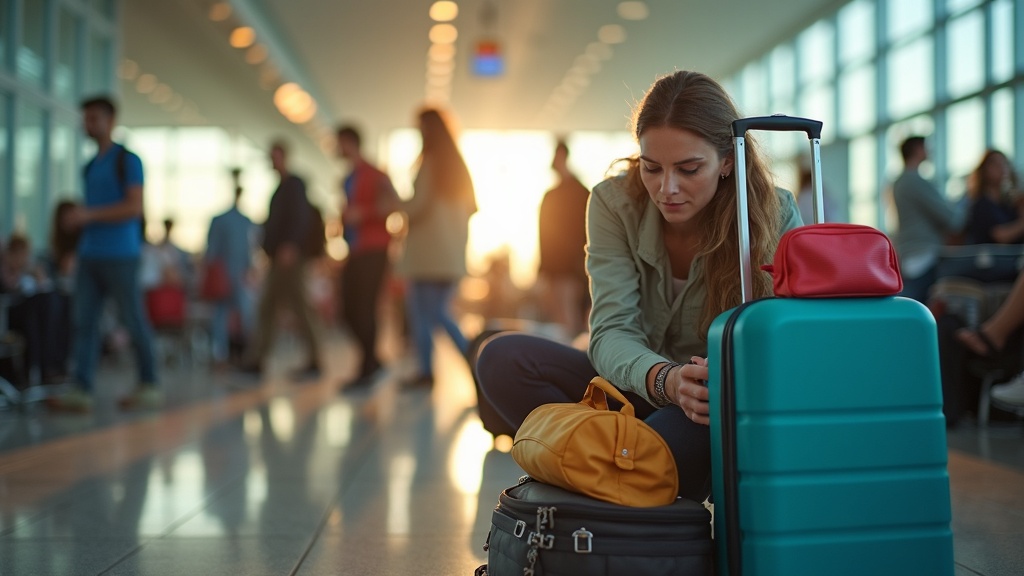
Staring at a small carry-on bag can feel like a puzzle with no solution. You need work clothes and pajamas and toiletries and chargers and maybe a book, and somehow it’s all supposed to fit in a space roughly the size of a grocery bag. The stress starts before you’ve even packed a thing.
Here’s the good news: you don’t actually need to fit everything. You need to fit the right things.
This isn’t about perfecting some complicated packing technique or rolling your clothes into microscopic bundles. It’s about making a handful of smart choices that keep you comfortable without eating up precious space. The secret isn’t cramming more in. It’s leaving the right stuff out.
Think of it this way: every item you pack is either earning its place or stealing space from something more useful. That bulky sweater you might wear once? It’s taking up room your phone charger actually needs. The full-size shampoo bottle? That’s half your toiletry bag gone.
The people who pack well aren’t superhuman organizers. They’ve just figured out what really matters on a trip and what sounds important but ends up sitting unused at the bottom of their bag. They know the difference between comfort and clutter.
This guide will help you make those calls. We’ll walk through what deserves space in your carry-on and what you can confidently leave behind. You’ll pack less, stress less, and probably enjoy your trip more because of it.
Start with the space you actually have
Before you even think about what to pack, take a good look at your actual bag. Not the idealized version in your head where everything fits perfectly. The real one, empty, sitting in front of you.
Here’s the thing nobody tells you: carry-on space vanishes fast. A single pair of boots can eat up a quarter of your bag. That puffy jacket you’re bringing for cold evenings? It’s basically a space thief. Your toiletry pouch, charging cables, and headphones all chip away at room you thought you had.
Try this quick reality check. Put your shoes in first. Then add your toiletry bag and any tech you’re bringing. Look at what’s left. That’s your actual packing space. It’s probably a lot less than you imagined.
Now think about how you’ll actually move through airports and streets. If you’re hauling a roller bag, you need smooth floors and both hands free. A backpack means stairs are easy, but your shoulders do the work. If your bag needs to squeeze under the seat in front of you, it’s going to be smaller than overhead space allows.
The smartest limited luggage tips don’t start with clever folding tricks. They start with being honest about what simply won’t fit. You can’t pack for every possibility when you’re working with the volume of a small cooler. And that’s fine. Once you accept the real boundaries of your bag, the choices about what stays and what goes get much easier.
Pack the non-negotiables that save a bad travel day
When your carry-on space is tight, the goal isn’t to bring everything you might want. It’s to bring the few things that keep a terrible travel day from becoming a disaster.
Start with the obvious but critical trio: your documents, wallet, and keys. If your checked bag goes missing, you can replace almost anything except your passport and credit cards. Keep these on your body or in an easy-access pocket of your carry-on, not buried at the bottom.
Your phone and its charger come next, ideally with a portable battery pack. A dead phone during a delay means no rebooking options, no maps at your destination, and no way to tell anyone where you are. This single item solves a dozen problems at once.
Pack any prescription medications you take regularly, plus basics like pain relievers or allergy pills if you use them often. A headache or sudden congestion on a long flight is miserable, and airport shops charge triple for what you forgot. Keep these in their original containers to avoid questions at security.
Include a minimal hygiene kit: toothbrush, toothpaste, deodorant, and face wipes. If your luggage gets lost or you’re stuck overnight in an airport, these small items make you feel human again. They take up almost no space but deliver outsized comfort.
Finally, choose one item for physical comfort. A thin scarf works as a blanket, eye mask, and pillow. A pair of earplugs weighs nothing but can save your sanity in a noisy terminal or cramped seat. When you’re exhausted and stuck, this single comfort item earns its weight in gold.
Everything else is negotiable. These aren’t.
Choose clothing like a system, not like outfits
Most people pack by imagining outfits for each day of their trip. That approach eats up space fast. Instead, think of your clothing as building blocks that all work together.
Start with one main pair of pants or shorts that feels comfortable for long wear. Add one lighter backup option, like leggings or a second pair of pants that you can rinse and dry overnight if needed. That’s your foundation.
Now pick a few tops that all match both bottoms. Three or four is usually plenty. The key is that any top should look fine with either pair of pants. Suddenly you have multiple combinations without the bulk.
For underwear and socks, bring just enough for a few days, not your whole trip. Choose fabrics that dry quickly after a sink wash. Merino wool and certain synthetics work well because they resist odor and don’t need as much washing in the first place.
Add one versatile layer for warmth or coverage. A lightweight cardigan, hoodie, or jacket that works over everything gives you flexibility without taking much room.
The fabric matters more than you think. Clothes that don’t wrinkle easily mean you look put together even after living out of a bag. Fabrics that dry fast mean you can wash items in your hotel sink or shower and have them ready by morning.
Plan to re-wear things. That’s not gross, it’s smart. Most clothing can handle two or three wears between washes, especially pants and layers. This mindset alone cuts your packing list in half.
Treat shoes as your biggest space decision
Shoes are bulky, heavy, and oddly shaped. They’re probably eating up more of your carry-on than anything else you pack. A single pair of sneakers can take the same space as three days of rolled clothing.
Here’s the hard truth: you don’t need as many shoes as you think. Most travelers pack three or four pairs and wear only two the entire trip. The rest just sit in the bag, taking up precious room.
Start with what you’re wearing on the plane. Choose your bulkiest, heaviest pair for travel day. If you’re bringing boots or chunky sneakers, wear them. This immediately frees up space in your bag.
Then ask yourself if you really need a second pair. The answer should only be yes if that pair serves a completely different purpose. Going from beach days to a nice dinner? Pack dressier shoes. Planning to run every morning? Athletic shoes make sense. Expecting rain or snow? Waterproof footwear earns its spot.
But if the second pair is just a backup or a slight variation on what you’re already wearing, leave it behind. One comfortable pair of shoes can handle more than you think.
When choosing, think about three things: can you walk in them for hours, do they work with most of your outfits, and will they handle the weather you’re expecting? A versatile pair that checks all three boxes is worth ten times more than three specialized pairs that each only work in narrow situations.
Your feet might protest this minimalist approach at first. But your back will thank you when you’re not lugging extra weight through the airport.
Keep toiletries small by cutting duplicates and ‘just in case’ items
Toiletries have a sneaky way of eating up carry-on space. You start with a few essentials, then add backups, then toss in a couple extras just in case. Before you know it, your toiletry bag weighs more than your clothes.
The fix is surprisingly simple. Ask yourself what you truly need during the flight and in the first day or two at your destination. Everything else can either be bought when you arrive or left at home entirely.
Full-size bottles are the biggest space hogs. Even travel-size versions of everything you own at home add up fast. Instead, pick one shampoo that works for hair and body. Choose a moisturizer that doubles as hand cream. You don’t need five different products when two can cover the same ground.
The same logic applies to makeup and hair tools. Bringing three lipsticks, two mascaras, and a full eyeshadow palette means you’re packing for imaginary scenarios. Pick one flattering lip color and the basics that actually touch your face every day. If you’re traveling with a flat iron, curling wand, and round brush, choose one or skip them all. Most hotels have hairdryers, and your hair will survive a week without heat styling.
A simple zip pouch keeps everything contained without adding bulk. Small refillable containers work better than collecting tiny bottles from every hotel you’ve ever visited. The goal isn’t to recreate your bathroom counter. It’s to cover genuine needs without letting toiletries crowd out space for things you can’t replace on the road.
Bring tech only when it replaces something else
Here’s a simple test for every device you pack: what job does it do that nothing else can handle? If your phone already takes great photos, that camera takes up space you might not actually need. If you’re traveling to relax and check email twice a day, a tablet might do everything your laptop would, but lighter.
The toughest call is usually the laptop versus tablet question. Be honest about what you’ll actually do on your trip. Writing long documents or editing spreadsheets? You probably need the laptop. Watching movies, reading, and answering messages? A tablet works fine and weighs half as much.
Chargers and cables multiply like rabbits if you let them. Look for one compact charger that handles multiple devices at once, and bring only the cables you’ll use every single day. That specialized cable for your fitness tracker? Leave it home unless you genuinely can’t go a week without syncing your step count.
Some carry-on accessories do earn their weight. Good headphones make long flights bearable and don’t take much room. A single universal adapter matters more than three specific ones. A short charging cable is easier to manage than the six-foot version that tangles around everything in your bag.
The real benefit of packing less tech isn’t just the space you save. It’s having fewer things to keep charged, fewer items to pull out at security, and less worry about leaving something behind in a hotel room. Each device you skip makes travel a bit simpler.
Skip the popular packing list items that rarely earn their space
Here’s the truth most packing lists won’t tell you: half the things people recommend are dead weight. You’ll find them crushed at the bottom of your bag, untouched for the entire trip.
Start with backup outfits. You know the ones. The extra jeans in case you spill something. The second sweater just in case. Unless you’re headed somewhere truly remote, you can wash clothes in a sink or buy a replacement if disaster strikes. One backup shirt? Sure. Three? That’s just anxiety taking up space.
Full-size toiletries are another culprit. Hotels have shampoo. Drugstores exist everywhere. You don’t need to pack like you’re moving to Mars. Transfer what you need into small containers or buy travel sizes, and accept that you’ll survive a week without your favorite conditioner.
Multiple books sound romantic until you’re lugging them through an airport. Bring one or load up an e-reader. The same goes for bulky travel towels that promise to save space but somehow never do. Unless you’re camping, you’ll have access to towels.
Shoes are the worst offenders. Each pair adds serious weight and bulk. Wear your heaviest pair on the plane and pack one versatile backup. Those cute sandals you might wear once? Leave them home.
The collection of specialized gadgets, adapters you’re not sure you’ll need, and jackets for weather that might happen all add up fast. If you’re truly unsure whether you’ll use something, that’s your answer. You won’t.
Learning to leave things behind isn’t about suffering through your trip with nothing. It’s about making space for what actually matters and trusting that you’re resourceful enough to figure out the rest.
Use simple travel organization so your bag stays usable
The trick to carry-on packing essentials isn’t just fitting everything in. It’s making sure you can actually find what you need without dumping your entire bag onto a hotel bed every night.
Think about organizing your items into three simple groups. First, your in-transit essentials: phone charger, headphones, snacks, maybe a book. These should live in an outside pocket or right at the top. Second, your daily kit: toiletries, one change of clothes, medications. Keep these together in one spot so you can grab them without excavating. Third, your backups and rarely used items: extra shoes, backup charger, that sweater you might need. These can go at the bottom.
A few simple carry-on accessories make a surprising difference. One medium organizer pouch keeps your cables and small items from scattering into every corner. A lightweight laundry bag gives dirty clothes their own home so they don’t migrate into your clean stack. A slim folder or envelope can corral tickets, maps, and receipts that otherwise vanish.
Here’s something most packing lists won’t tell you: leave a little empty space. Not much, just enough to toss in a souvenir, stash the sweater you’re not wearing, or handle the free hotel toiletries you’ll inevitably collect. If your bag is stuffed to maximum capacity on day one, it becomes a game of Tetris every time you need something.
The goal is simple travel organization that works while you’re actually traveling, not just when you’re zipping up at home. A little structure means less time wrestling with your luggage and more time doing what you came for.