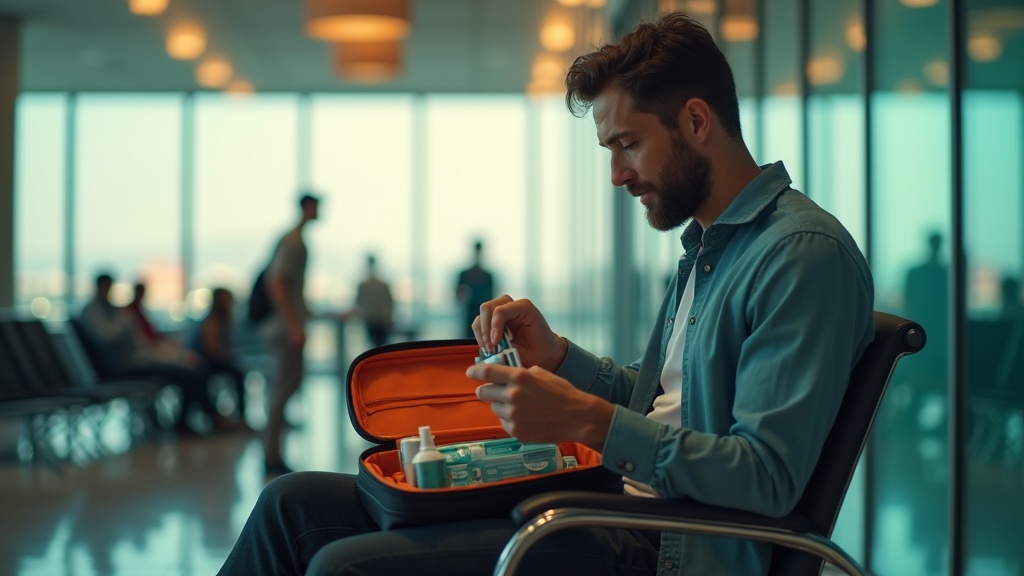
You’ve probably experienced it before. You’re brushing your teeth in a hotel bathroom and notice toothpaste leaked all over your toiletry bag. Or you reach for your floss only to realize it’s sitting on your bathroom counter at home. Maybe your full-size mouthwash bottle added an extra pound to your luggage for no good reason.
These small annoyances add up when you travel. And they’re completely avoidable with a smart dental travel kit.
The right setup doesn’t mean cramming your entire bathroom cabinet into a suitcase. It means choosing a few compact, leak-proof items that actually work for travel. Things that won’t make a mess, won’t take up precious space, and won’t leave you stuck with fuzzy teeth because you forgot something essential.
A good dental travel kit keeps your oral hygiene routine simple and consistent, even when you’re sleeping in different beds every night. It fits in a carry-on. It survives being tossed around in luggage. And most importantly, it removes any excuse for skipping your normal brushing and flossing routine just because you’re away from home.
Whether you’re heading out for a weekend trip or a month-long adventure, packing the right dental essentials makes everything easier. Let’s walk through exactly what belongs in your kit and why each item earns its spot.
Start with the core cleaning basics
Before you worry about extras, make sure you’ve got the three things that do nearly all the heavy lifting: a toothbrush, toothpaste, and floss. Get these right and you’re already in good shape, even if you forget everything else.
Your toothbrush is the obvious first item. A regular manual toothbrush is compact, weighs nothing, and works anywhere. If you use an electric toothbrush at home, you can pack just the brush head and a small charging cable, which takes up less room than you’d think. Either way, slip it into a ventilated toothbrush case so it can dry out between uses. A wet toothbrush sitting in a sealed bag gets gross fast.
For toothpaste, grab a travel size tube. They’re small enough to fit TSA carry-on rules and light enough that you won’t notice them in your bag. If you’re going somewhere for more than a week or two, you can always buy a full-size tube when you arrive. Don’t bother decanting your regular toothpaste into tiny containers unless you really love the brand. It’s messy and rarely worth the effort.
Floss is the easiest item to overlook, but it’s also one of the most compact. A small dispenser fits in any pocket or pouch. If regular floss feels awkward to pack, those little floss picks work just as well and come in flat containers. Pick whichever you’ll actually use. The best dental travel kit is the one that doesn’t sit untouched in your suitcase.
Keep everything dry, clean, and contained
The biggest mess in any dental travel kit happens when your toothbrush is still wet and you zip everything up. That dampness turns into a soggy disaster that can make everything smell funky or feel gross when you open it later.
A toothbrush case travel with ventilation holes makes all the difference. These little openings let air circulate so your brush dries out instead of sitting in its own moisture. If your case doesn’t have vents, leave it open for a few minutes after brushing before you pack it away.
Keep wet items separate from dry ones whenever possible. Your toothbrush shouldn’t touch your floss or backup toothpaste tubes. A small zip pouch or toiletry bag with a separate compartment gives everything its own space and contains any leaks or drips.
Toothpaste caps are sneaky troublemakers. They come loose in bags and leave paste smears on everything. Make sure caps are screwed on tight, or better yet, look for flip-cap travel size tubes that click shut securely. Some people wrap a small piece of plastic wrap over the opening before closing the cap for extra insurance.
Why does all this matter? Because a suitcase is a dark, enclosed space. Things that stay wet in there don’t dry out on their own. And once something gets contaminated or smelly, you’re stuck dealing with it for the rest of your trip. A little attention to airflow and containment when you pack saves you from digging through a damp, unpleasant mess later.
Make liquids leak-proof and TSA-friendly
Mouthwash has a sneaky habit of leaking at the worst possible moment. You open your bag at the hotel and find everything damp and minty-scented. To avoid this, start by choosing containers with screw-top caps rather than flip tops. The tighter the seal, the better.
Travel-size mouthwash bottles are your friend here. They’re small enough to meet airport security rules and less likely to burst under pressure changes during flights. If you’re pouring mouthwash into your own container, don’t fill it to the brim. Leave some air space at the top so the liquid has room to expand.
Before packing, do a simple leak test. Close the cap tightly, turn the bottle upside down, and give it a gentle squeeze over the sink. If even a drop escapes, that cap isn’t secure enough for travel.
Always place your mouthwash and any other liquids inside a sealed plastic bag. A simple zip-top bag works perfectly. This creates a second layer of protection, so if something does leak, it won’t ruin your clothes or electronics. Keep this bag near the top of your luggage where it won’t get crushed by heavier items.
Not everyone needs to pack mouthwash for every trip. It’s genuinely helpful on long travel days when you can’t brush your teeth for hours, or when you’re headed somewhere with limited access to stores or clean water. For a quick weekend trip with easy access to everything you need, you might skip it entirely and keep your dental travel kit simpler.
Add a few small items that prevent big annoyances
Once you’ve packed the basics, a few lightweight extras can save you from surprisingly frustrating moments. These aren’t must-haves, but they solve real problems when things don’t go as planned.
A spare toothbrush or replacement brush head takes almost no space and becomes incredibly valuable if you drop yours on a questionable bathroom floor or forget it at a hotel. Trust me, buying an overpriced toothbrush at a gas station at midnight is not fun.
Interdental picks are thin plastic sticks that clean between teeth when travel floss feels too fiddly or you’re stuck somewhere without a sink. They’re perfect for long flights or after meals when you just want something out of your teeth quickly. Toss a few in your dental travel kit and forget about them until you really need one.
Sugar-free gum gives you a fresher mouth when brushing isn’t practical, like during a long drive or between meetings. It’s not a replacement for actual brushing, but it helps when you’re stuck in situations where pulling out a toothbrush would be awkward.
Lip balm belongs in every travel kit because airplane air and unfamiliar climates dry out your lips fast. Cracked lips make everything less comfortable, including eating and talking.
Finally, if you wear contacts or often end up in dim hotel bathrooms, a small compact mirror can help you see what you’re doing. Some travelers even pack a tiny clip-on phone light. It sounds unnecessary until you’re squinting into a poorly lit mirror at 6 a.m.
None of these items are essential, but they’re small enough that having them beats wishing you did.
Match your kit to how you’re traveling
Not every trip needs the same dental travel kit. A weekend carry-on requires different choices than a two-week road trip or a backpacking adventure.
If you’re flying with just a carry-on, keep everything compact and TSA-friendly. Use travel-size toothpaste that’s under the liquid limit. A folding toothbrush or one with a cap saves space. Stick to solid products when possible, since they don’t count against your liquid allowance. Tuck everything into a clear, waterproof pouch that’s easy to pull out at security.
Road trips give you more freedom. You can bring full-size products and keep them in the car. But it’s still smart to pack a smaller kit for rest stops or overnight stays. Keep a toothbrush and floss in an easy-to-grab spot so you’re not digging through luggage at a gas station.
Camping or hostel stays need mess-free solutions. Choose a toothbrush case that seals completely so nothing leaks in your bag. Disposable flossers are clutch when you’re sharing a bathroom with strangers or brushing outside. Travel mouthwash in small bottles works well, but you can also use tablets that dissolve in water if weight matters.
Business travelers should consider keeping one kit in their toiletry bag and a backup in their laptop case or purse. That way, you can freshen up between meetings without lugging everything around. A slim toothbrush case fits easily in a jacket pocket or desk drawer.
The key is matching your kit to your access. More space means more options. Limited access means lighter, simpler, and sealed tight.