Your feet go through a lot on a long flight. Cramped in the same position for hours, squeezed into shoes that felt fine when you boarded, they can turn into swollen, achy reminders that your body wasn’t designed to sit still at 35,000 feet.
Most people don’t realize how common foot discomfort is during air travel until they’re halfway through a flight and suddenly their shoes feel two sizes too small. That puffy, tight sensation isn’t just in your head. When you’re sitting for extended periods, especially in the low cabin pressure of an airplane, blood and fluid naturally pool in your lower legs and feet.
The good news is that foot discomfort on planes isn’t something you just have to endure. Small, practical choices before and during your flight can make a genuine difference. We’re talking about simple things like what shoes you wear to the airport, how you position your feet during the flight, and a few affordable items that can keep swelling and restlessness at bay.
You don’t need special equipment or a first-class seat to keep your feet comfortable. You just need to understand why the problem happens and what actually works to prevent it. Whether you’re flying across the country or across an ocean, your feet deserve a little planning ahead.
Start with shoes and socks that won’t trap your feet
Your feet swell on planes. It happens to almost everyone, even on shorter flights. The cabin pressure drops, you sit still for hours, and gravity does its thing. The result is feet that can expand noticeably, sometimes enough that shoes that felt fine at the airport feel tight and uncomfortable an hour into the flight.
That’s why the shoes you wear matter more than you might think. Stiff leather dress shoes or snug sneakers that fit perfectly on the ground can turn into little prisons once you’re cruising at altitude. Look for shoes with some give in the upper part, the material that wraps around your foot. Soft canvas, stretchy knit, or broken-in leather all work well. Avoid anything new or rigid.
Pay attention to the toe box, that front area where your toes sit. You want a bit of wiggle room there, not a snug fit. If your shoes have laces, loosen them once you’re settled in your seat. You’d be surprised how much relief that simple move provides. Slip-on shoes are even better since they naturally accommodate some swelling without creating pressure points.
The sole should be stable enough to walk through the airport comfortably but not stiff like a board. Your foot needs to flex a little when you walk to the bathroom or stretch your legs.
As for socks, skip anything that digs in around your ankles or calves. If your socks leave deep red marks on your skin after a normal day, they’re too tight for a long flight. Choose socks with gentle elastic that holds them up without strangling your leg. Your circulation will thank you, and your feet will stay more comfortable from takeoff to landing.
Use compression and circulation habits to reduce plane swelling
When you sit still for hours, your blood flow slows down. Gravity keeps pulling fluid toward your feet, but without much movement, your body struggles to pump it back up. That’s why your ankles can feel tight and puffy halfway through a long flight, and your shoes suddenly feel a size too small.
Travel compression socks can help with this. They’re snug socks that gently squeeze your lower legs, which encourages blood to keep moving instead of pooling around your ankles. The pressure is firm but shouldn’t hurt. If they feel painful or leave deep marks, they’re too tight.
Put them on before you board, not after your feet have already started swelling. That way they can do their job from the start. You don’t need a prescription or anything fancy. Basic travel compression socks from a pharmacy or online work fine for most people looking to stay comfortable.
Compression socks work even better when you add simple movement. Every hour or so, try a few ankle circles in both directions. Point and flex your toes a dozen times. Press your heels into the floor and lift your toes, then reverse it. These tiny exercises keep your calf muscles active, which helps push fluid back up your legs.
When the seatbelt sign is off, stand up and walk to the bathroom or just stretch in the aisle for a minute. Even a brief change in position makes a difference. Your feet will thank you when you land and slip your shoes back on without a struggle.
Do a simple in-flight foot care reset when discomfort starts
When your feet start feeling uncomfortable mid-flight, a quick reset can make a real difference. You don’t need to do anything elaborate or disruptive. Just a few small adjustments can ease tension and get circulation moving again.
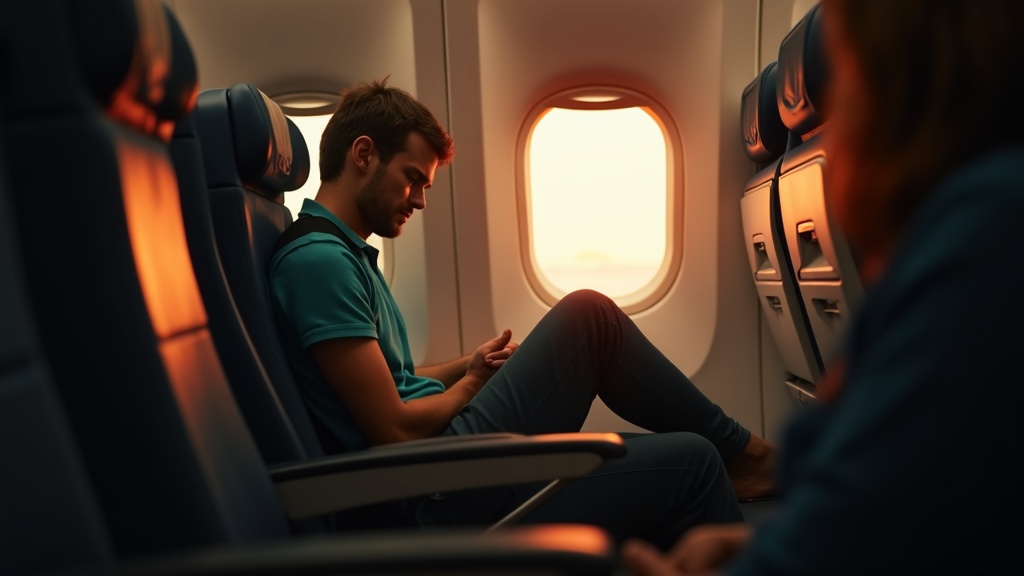
Start by changing your foot position. If your feet have been flat on the floor for hours, tuck them under your seat for a minute or rest them on your carry-on bag. Switch back and forth. The simple act of moving them into a different position helps relieve pressure points that have been stuck in one spot too long.
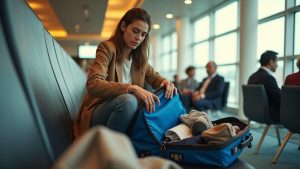
Next, give your feet and calves a gentle massage. Press your thumbs into your arches through your socks, or squeeze your calves with your hands. If you packed a tennis ball or even have a water bottle handy, you can roll it under your foot while seated. No special equipment? A rolled-up pair of socks works surprisingly well as a makeshift massage tool.
Wiggle your toes and flex your ankles in small circles. It feels silly, but it genuinely helps. These tiny movements encourage blood flow without requiring you to stand up or bother anyone around you.
If your feet feel hot or sweaty, slipping off your shoes briefly and switching to fresh socks can feel like a completely new start. Keep a spare pair in your personal item for this exact reason. If you’ve packed a small tube of lotion or foot cream, a light application can soothe dry, tight skin.
If there’s room and it won’t invade anyone’s space, prop your feet up slightly on your bag or tuck a jacket underneath them. Even a small elevation helps reduce that heavy, swollen feeling that creeps in on long flights.
Avoid the common in-flight triggers that make feet feel worse
Your feet don’t swell and ache on planes just because you’re sitting still. A few subtle choices quietly make things worse, and most travelers don’t realize they’re stepping into trouble until their shoes feel tight.
Dehydration is one of the sneakiest culprits. Airplane cabins are incredibly dry, and when your body doesn’t have enough water, it starts holding onto whatever fluids it can. That often means more swelling in your feet and ankles. Sipping water throughout the flight helps keep things moving instead of pooling down in your lower legs.
Alcohol doesn’t help either. A drink or two might feel relaxing, but alcohol dehydrates you further and can make swelling worse. The same goes for salty snacks and meals. Salt makes your body retain water, which shows up as puffiness in your feet faster than you’d expect at ground level.
Sitting completely still for hours is another problem. Blood flow slows down when you’re not moving, and gravity pulls fluid into your feet. Even small movements help. Flexing your ankles, rolling your feet in circles, or getting up to walk to the bathroom once an hour makes a real difference.
Don’t cross your legs for long stretches either. It might feel comfortable at first, but you’re actually restricting circulation to your lower legs, which encourages swelling and that restless, crampy feeling.
Finally, think about what’s around your feet. Cold cabin air can make your feet feel stiff and achy, so keeping socks on helps. And if you’ve shoved a bag under the seat in front of you, check that you still have room to shift your feet around. Cramped feet are unhappy feet, especially on a long flight.
Know when foot swelling is not just travel discomfort
A little puffiness in your feet and ankles after a long flight is completely normal. Your body has been sitting still for hours, and gravity has been pulling fluid downward the whole time. If your feet look slightly swollen but feel fine once you walk around a bit, that’s just typical plane swelling doing its thing.
But some symptoms deserve more attention. If only one leg or foot swells up while the other stays normal, that’s worth checking out. The same goes for swelling that comes with pain that feels deep or severe, not just the usual stiffness. Warmth or redness in your calf or foot is another sign to take seriously.
Watch out for sudden shortness of breath or chest pain during or after your flight. And if you experience numbness or tingling that doesn’t go away after you’ve been moving around for a while, don’t brush it off.
These symptoms could point to something more serious than simple travel discomfort. You don’t need to panic, but you should get them checked by a medical professional rather than waiting to see if they resolve on their own.
Some people may want to talk with their doctor before a long flight, especially if you have a history of blood clots, recent surgery in the past few months, pregnancy, or ongoing heart or kidney problems. A quick conversation can help you fly with more confidence and know exactly what precautions make sense for your situation.