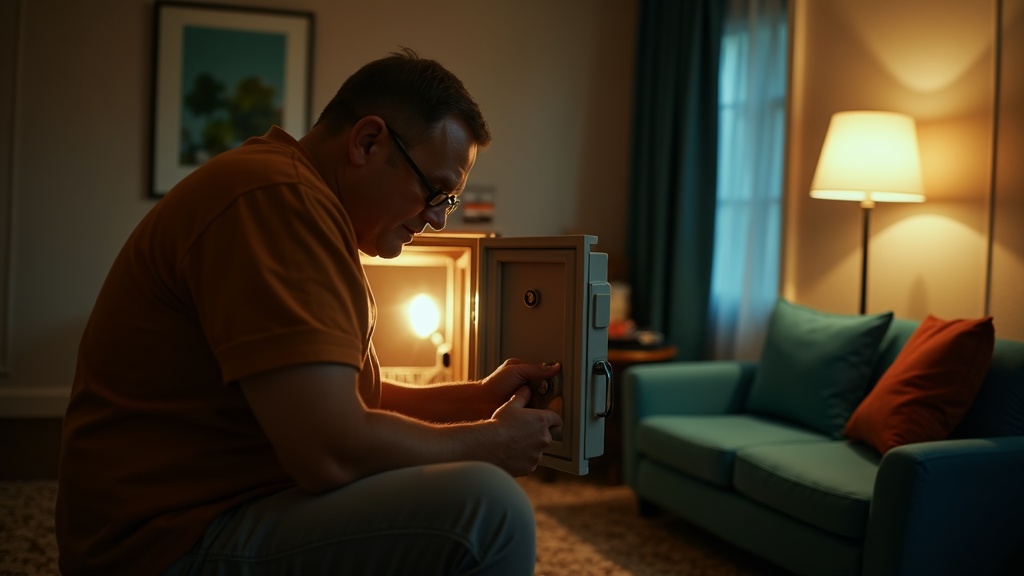
You check into your hotel room, kick off your shoes, and spot that familiar metal box in the closet. The hotel safe seems like the obvious place to stash your passport, extra cash, and wedding ring before heading out to explore. But here’s the thing: not all hotel safes are created equal.
Some safes are genuinely secure. Others? They’re about as protective as a cardboard box with a combination lock from a toy store. The difference isn’t always obvious at first glance, and that’s where travelers run into trouble.
Most people make the same mistake. They assume the safe works properly, set a quick code, toss in their valuables, and walk away feeling protected. They don’t test whether the door actually locks. They don’t check if there’s a master override key hanging nearby. They don’t notice the safe is just sitting loose on a shelf, ready to be carried off.
These aren’t paranoid concerns. They’re simple oversights that take less than two minutes to avoid. The good news is that you don’t need to be a security expert to spot the warning signs. You just need to know what to look for before you trust that metal box with anything you can’t afford to lose.
A few quick checks can mean the difference between real security and a false sense of it. Let’s walk through what actually matters when it comes to hotel safe security.
Decide what actually needs to go in the safe
Before you load up that hotel safe, take a moment to sort through what you’re actually carrying. Not everything belongs in there, and some items are safer elsewhere entirely.
Start with what should stay on you during the day. Your primary credit card, some walking-around cash, and any medication you might need are best kept in your daypack or pocket. In many destinations, you’ll also want your passport with you for currency exchanges, age verification, or unexpected ID checks. Leaving the hotel without these essentials can turn a simple errand into a frustrating detour.
Next, consider what’s reasonable to store. A backup credit card, extra cash you won’t need today, and your return flight details are solid candidates. These items have value, but losing access to them for a few hours won’t derail your trip. The hotel safe works fine for this middle tier of valuables.
Then there’s the category that shouldn’t have come on vacation at all. Expensive jewelry, heirloom watches, or anything you’d be devastated to lose don’t belong in a basic hotel safe. If you absolutely must travel with high-value items, ask the front desk about their main vault or safety deposit boxes. These are typically more secure than the electronic box in your room.
Think about your daily routine too. Heading to the pool for two hours? The safe is perfect for your wallet and phone. Gone for a full-day tour? You probably need most of your important items with you. The goal is matching the storage to both the item’s value and how long you’ll be away.
Look for signs the safe is solid and properly installed
Before you trust a hotel safe with anything valuable, take a moment to actually look at it. Not just glance inside, but check how it’s mounted and whether it feels secure. A safe that’s only as good as its installation isn’t really a safe at all.
Start by trying to move it. Give it a gentle push or lift. A properly installed safe should be bolted to the floor, wall, or a heavy piece of furniture. If it wobbles, shifts, or feels like you could pick it up and walk away with it, that’s exactly what a thief could do too. A lightweight safe sitting loose in a closet is basically a piggy bank with a lock on it.
Next, check if you can see or reach the back of the safe. Some hotels put safes inside cabinets or closets where the entire back panel is exposed. This matters because many safes can be opened from behind if someone has access and a few minutes of privacy. A safe mounted flush against a solid wall is much harder to tamper with than one sitting in an open cabinet.
Look at the door itself when it’s closed. Does it sit flush and align cleanly with the frame, or are there gaps you could slide something into? Check the hinges too. If they’re on the outside and look like they could be removed or pried at, that’s a weak point.
Finally, just lift or push on the whole unit one more time. Does it feel solid and immovable, or flimsy and portable? Your gut reaction here matters. If the safe feels like it’s barely attached to anything, trust that instinct.
Test how it locks and unlocks before you rely on it
Before you trust a hotel safe with anything important, spend two minutes testing it while it’s empty. This sounds obvious, but most people skip this step and go straight to locking up their passport or laptop. That’s when things get interesting in all the wrong ways.
Start by checking that the safe is actually empty. Previous guests sometimes forget items, and you need to make sure any old code has been cleared. Most hotel safes reset automatically between stays, but not all of them do.
Now set your code with the door wide open. Close it and lock it. Then unlock it right away. Do this three or four times. You’re looking for consistency. Does it respond the same way each time? Does it beep, flash, or hesitate? Some safes have a short delay before they actually lock, which can be confusing if you’re in a hurry.
Pay attention to any error sounds or blinking lights. A beeping pattern or flashing red light often means the battery is low. If the safe struggles to lock or makes you enter the code twice, that’s a warning sign. Don’t ignore it.
Once you’re confident it works reliably, try locking something low-stakes inside first. A book or an empty bag works fine. Lock it, walk away for a minute, then come back and unlock it. This confirms the code stuck and the mechanism isn’t temperamental.
If the safe won’t lock consistently or behaves unpredictably during your test, call the front desk right away. Ask for a different room or a replacement safe. It’s much easier to deal with this before your valuables are locked inside a box that won’t cooperate.
Assume staff can open it and plan around that
Here’s something most travelers don’t realize: hotel staff can almost always open your safe. They’re not breaking in or bypassing security. There’s usually a master code, an override key, or a reset procedure that management can use in emergencies.
This isn’t a flaw in the system. It’s actually necessary. Guests forget their codes all the time. Sometimes someone checks out and leaves the safe locked. Hotels need a way to reset things and retrieve belongings without calling a locksmith every other day.
But it does change what you should expect from a hotel safe. It’s private, sure. Most housekeeping staff won’t have access, and casual snooping isn’t likely. But it’s not a bank vault. The safe protects your things from opportunistic theft and keeps them out of sight. It doesn’t guarantee absolute security against someone determined to access it.
So plan accordingly. Don’t leave truly irreplaceable items in your room for days on end, safe or no safe. Think about family heirlooms, the only copy of important documents, or anything you literally couldn’t replace. If you must travel with something like that, consider keeping it with you.
For cash and cards, split them up. Keep some spending money in the safe and some in your day bag. That way if something does go wrong, you’re not completely stuck. The same goes for credit cards. One in the safe, one with you.
The goal isn’t paranoia. It’s just realistic planning. Hotel safes are useful tools, but they work best when you understand what they actually protect you from and adjust your strategy to match.