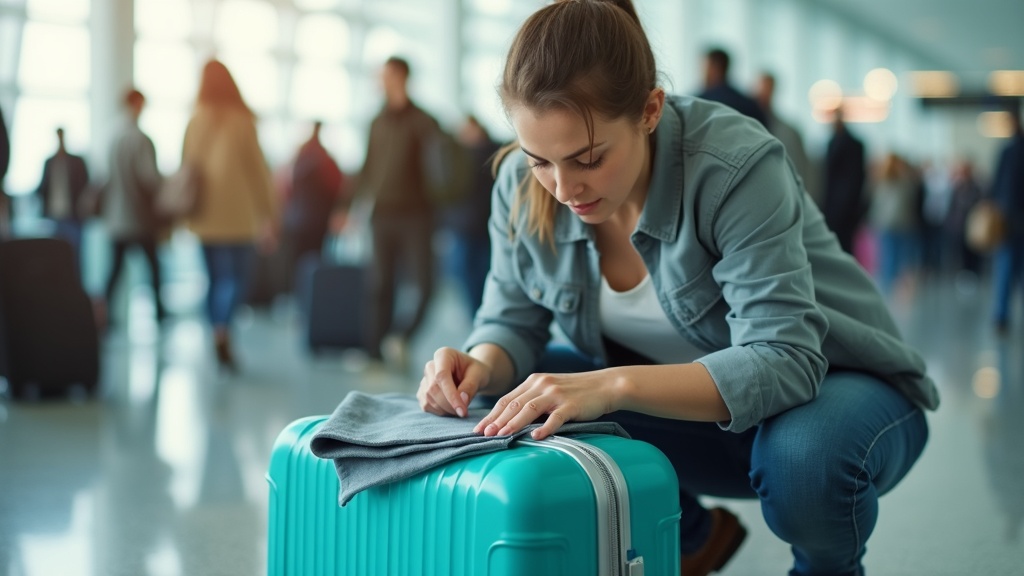
You’ve probably seen those small padlocks on suitcases rolling through the airport. Maybe you use one yourself. They seem like a smart idea, a simple way to keep your belongings secure while your bag is out of sight.
But here’s the thing most travelers don’t realize: airport security can open your locked luggage whenever they need to. And if you use the wrong kind of lock, they might just cut it off and toss it in the trash.
This isn’t about whether locks are worth using. They absolutely can be. It’s about understanding what they actually protect you from, and what they don’t. A luggage lock won’t stop a determined thief with bolt cutters. It won’t prevent airport security from inspecting your bag. What it can do is discourage casual theft and keep your suitcase from popping open mid-flight.
The trick is knowing which locks work with airport screening procedures and which ones will get destroyed. TSA-approved locks exist specifically for this reason. Security agents have master keys that can open them, inspect your belongings, lock them back up, and send you on your way. Use a regular padlock instead, and you might arrive at your destination to find it missing and your bag rifled through.
Locking your luggage makes sense when you do it right. It just requires understanding what you’re actually protecting against, and what security screeners need to do their job without damaging your stuff.
What locking luggage actually protects you from
A luggage lock isn’t a fortress. It’s more like a polite fence around your belongings. The main thing it does is stop casual snooping from other travelers who might be curious or opportunistic. Someone walking past a carousel or sitting near your bag in a holding area is much less likely to unzip and peek if there’s a lock in the way.
Locks also keep your bag from popping open accidentally. Zippers can work themselves loose during handling, especially when bags get tossed around. A simple lock holds everything together and saves you from chasing your socks across the baggage claim.
Another helpful feature is tamper evidence. If someone does force your lock or cut it off, you’ll know. That matters for insurance claims and for understanding what happened to your stuff. It’s not prevention, but it’s information.
Here’s what a lock won’t do: stop a determined thief. Anyone with basic tools or a few seconds of privacy can defeat most luggage locks. And remember, many suitcases can be opened by simply sticking a pen into the zipper track and sliding it along. The lock itself isn’t the weak point.
Think of it this way. Airports and baggage areas are busy, chaotic places with lots of eyes around. A lock raises the effort required just enough to make your bag less appealing than the one next to it. It’s a small deterrent in an environment where small deterrents actually matter. Just don’t mistake it for real security when it comes to expensive items or irreplaceable documents.
How airport security handles locked bags
When you check a bag at the airport, there’s a chance it will be pulled aside for additional screening. This can happen randomly, or because something in the X-ray image looked unclear. Either way, security staff may need to open your bag to inspect what’s inside.
If your bag has a TSA-compatible lock, screeners can use a master key to unlock it, check the contents, and lock it back up when they’re done. Your bag gets inspected, and your lock stays intact. That’s the system working as designed.
But if your bag is locked with something security can’t open—like a standard padlock or a cable tie—they still need to get inside. In that case, they’ll cut the lock or force the zipper. You won’t be there to unlock it for them, and they’re not required to track you down or leave your bag uninspected.
This means you’ll arrive at your destination to find a broken lock, a damaged zipper, or both. Most airports will leave a notice inside explaining that your bag was inspected, but that doesn’t repair the damage or replace your lock.
The takeaway is simple: locking your luggage doesn’t prevent inspection. It only determines whether your lock survives the process. If you use a lock that security can’t open, you’re betting that your bag won’t be selected for screening. Sometimes you’ll win that bet. Sometimes you won’t.
Choosing a lock that won’t cause problems at screening
A TSA lock is simply a lock that airport screeners can open without breaking it. These locks have a special keyhole that fits a master key held by security staff in the US and several other countries. When screeners need to inspect your checked bag, they can unlock it, look inside, then lock it back up.
The alternative is using a regular padlock or relying on your suitcase’s built-in lock. If security needs to inspect a bag secured this way, they’ll cut the lock off. You’ll arrive at your destination to find your bag open, possibly with a note explaining what happened.
This is why most frequent travelers use TSA locks on checked luggage. It’s not about serious security. It’s about avoiding the hassle of a destroyed lock and keeping your bag from popping open during handling.
For carry-on bags, none of this matters. You’re bringing those through screening yourself, so you can unlock them when asked. Some travelers don’t lock carry-ons at all.
TSA locks come in different styles. Small padlocks thread through zipper pulls and work on any bag. Cable locks loop around handles or through multiple zippers. Some newer suitcases have TSA-compatible combination locks built right into the frame.
Each style does the same basic job. The padlock is cheapest and easiest to replace. The cable gives you more flexibility with how you secure things. The built-in lock can’t be forgotten at home, but if it breaks, you’re dealing with the whole suitcase.
Pick whichever feels simplest for how you travel. Just remember that any of these locks can still be picked or broken by a determined thief. They’re a light deterrent, nothing more.
Locking zipper luggage the way it’s meant to be locked
Most soft-sided suitcases come with two zipper pulls that meet somewhere along the edge. The entire locking system is designed around bringing those two pulls together and threading your lock through both of them at once. If your bag has a built-in locking point, that’s just a reinforced spot where the holes are already lined up for you.
Locking only one zipper pull does basically nothing. Someone can simply slide the unlocked pull around the bag and open it completely. Both pulls need to be secured together, which stops the zipper from moving in either direction.
The trick is getting those pulls to meet without forcing anything. Don’t yank the zippers tight or pull them into awkward angles just to make the holes line up. That kind of stress can bend the pulls or damage the teeth over time. Close your bag calmly, bring the pulls together with a little slack, and then slip the lock through.
If the holes in your zipper pulls are tiny or oddly shaped, a regular padlock might not fit well. That’s where thin cable locks come in handy. They thread through smaller openings more easily and put less pressure on the pulls themselves. The cable can loop through both holes without forcing anything or leaving the zippers at a weird angle.
Once the lock is in place, give each zipper a gentle tug to make sure they’re actually secured. If one side still slides freely, you’ve probably only locked one pull. It happens more often than you’d think, especially when you’re rushing through a hotel room at dawn.
What not to lock inside a checked bag
Here’s the uncomfortable truth: a lock on your checked bag doesn’t turn it into a vault. Even a TSA-approved lock can be opened by security when needed, and if they don’t have the right key, they can cut through the lock or zipper entirely. So treating your locked bag as a safe place for anything truly important is a mistake.
Your passport should never go in checked luggage, locked or not. Same goes for prescription medications you’ll need during travel, house or car keys, and anything electronic with a lithium battery. These items either need to stay with you for practical reasons, or they’re simply too valuable or irreplaceable to risk.
Think about what would genuinely upset you if it disappeared or got damaged. Family heirlooms, expensive jewelry, that hard drive with your only copies of photos—none of these belong in a checked bag. A lock might stop an opportunistic thief who’s in a hurry, but it won’t protect against a determined person, and it definitely won’t help if your bag gets lost by the airline.
Some travelers think burying valuables deep inside their luggage adds protection. It doesn’t really work that way. Security personnel can and do open bags when they need to inspect contents. If they flag something on the scanner, they’re going through the whole bag to find it. Packing something at the bottom just makes it harder for you to access, not harder for anyone else.
The basic principle is simple: if losing it would ruin your trip or cost you serious money or stress, keep it in your carry-on. Locks are useful, but they’re not magic.
Simple ways to tell if your bag was opened
When you pick up your bag at baggage claim, a quick visual check can tell you a lot. Start by looking at your lock. If you left it positioned in a certain way, is it still facing that direction? If your zipper pulls were touching or aligned in a specific pattern, are they still together?
These small details change when someone opens your bag. But here’s the important part: noticing your bag was opened doesn’t tell you who did it or when. Airport security might have inspected it. Baggage handlers might have opened it to check a tag. Someone with bad intentions might have gotten into it. The evidence just shows that something happened.
Some travelers take this a step further by placing a small, distinctive marker inside their bag. A brightly colored zip tie around an interior pouch works well. If the tie is cut or moved when you open your bag, you know someone accessed that area. Just remember that security screeners might remove or cut anything during an inspection, so don’t use anything valuable or that could be mistaken for a threat.
The key is keeping your expectations realistic. These techniques help you notice tampering, but they don’t prevent it. Think of them as a notification system, not a security system. If your lock is broken or your zippers are in a different position, you’ll know to check your belongings more carefully. That awareness matters, even if it can’t tell you the whole story of what happened to your bag.
Reducing the chance your lock gets cut or your bag gets damaged
Locks get cut for a few predictable reasons. The most common is that security needs to look inside your checked bag but can’t open the lock they’re facing. If your lock doesn’t have the special keyhole that TSA screeners can access with their master keys, they’ll simply snip it off and leave you a note.
Another source of trouble is placement. If you attach a lock in a way that makes it stick out awkwardly, it can snag on conveyor belts or get caught when handlers are stacking bags. The same goes for overly tight straps wrapped around the outside of your luggage. They might seem like extra security, but they can stress zippers and seams when the bag gets shoved into tight spaces.
To play nicely with the system, choose a small TSA-compatible lock for any bag you’re checking. Look for locks labeled TSA or with a red diamond logo. Keep the lock positioned close to the zipper pulls so it sits flat against the bag. Avoid bulky padlocks or anything that juts out.
Even when you do everything right, damage can still happen. Bags take a beating in transit, and no lock design eliminates that risk completely. The goal here isn’t to make your luggage invincible. It’s simply to reduce the odds that your lock becomes the thing that causes a problem, whether that’s getting cut off by a screener or creating a weak point that gets stressed during handling.
Think of it as smoothing out friction. You’re making it easier for everyone involved to do their job without your bag becoming a headache along the way.