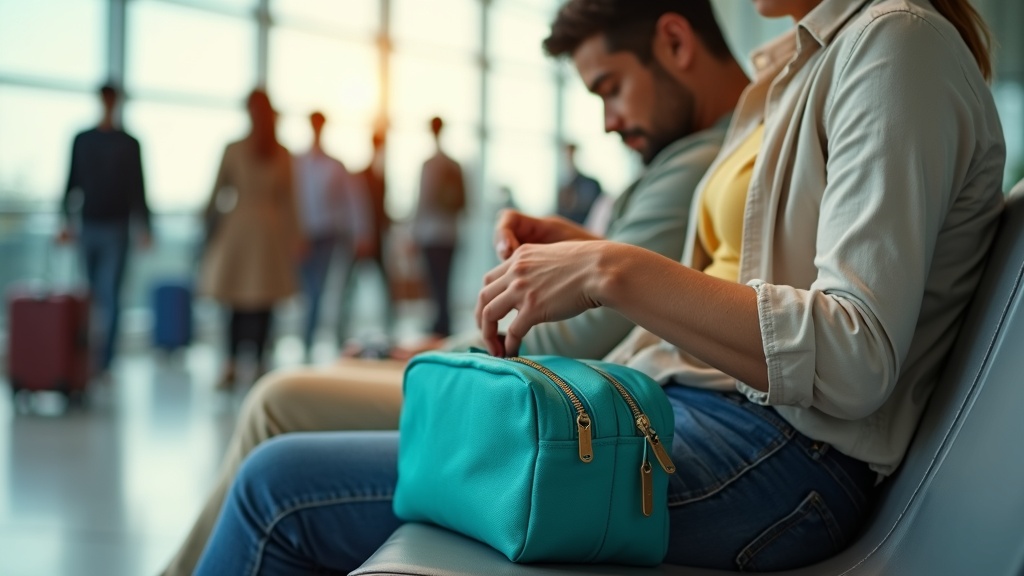
You’ve probably been there. Standing at airport security, frantically trying to stuff a full-size shampoo bottle into your overstuffed carry-on while a line of impatient travelers glares at you. Or maybe you’ve opened your suitcase at your hotel to find shampoo has leaked all over your favorite shirt. These moments can turn the excitement of travel into pure frustration.
The truth is, most toiletry packing advice focuses on what to bring. But that’s not actually the problem. The real stress comes from three specific things: liquids that explode in your bag, a jumbled mess of products you can’t find when you need them, and those confusing airport liquid rules that seem designed to catch you off guard.
Here’s the good news. You don’t need to become a packing expert or buy expensive travel gear to solve these problems. You just need to understand what actually goes wrong and why.
Most people pack toiletries the same way they store them at home, tossing bottles into a bag and hoping for the best. But travel creates different challenges. Cabin pressure affects containers. Limited space means every item needs to earn its place. And security checkpoints have strict rules that can derail your entire morning if you’re not prepared.
This guide will walk you through the real-world problems that make toiletry packing stressful, and show you practical ways to avoid them. No fancy products required. Just a smarter approach that actually works when you’re rushing to catch a flight.
Pick a toiletry system that matches how you travel
Most people grab whatever toiletry bag they have lying around and wonder why packing feels chaotic. The truth is, different trips call for different setups. Once you match your system to your travel style, everything gets easier.
For short trips and weekenders, a single all-in-one bag works beautifully. Everything lives in one place, and you can grab it from your suitcase and toss it on the bathroom counter without hunting for anything. This keeps things simple when you’re only gone a few nights and don’t want to overthink it.
Longer trips or business travel often work better with a split system. Keep your liquids in one small bag and your tools like razors, brushes, and tweezers in another. Why? You can yank out just the liquids bag at airport security without unpacking everything. And when you’re living out of a hotel room for a week, you’re not digging past full-size bottles to find your nail clippers.
Family travelers and anyone checking luggage might try a mini essentials kit plus a backup stash. Pack your daily must-haves in a small bag that stays with you in the cabin. Everything else goes in checked luggage. If your suitcase gets delayed, you still have what you need for the first night. And when you arrive, you’re not dragging your entire bathroom arsenal around just to brush your teeth.
The goal isn’t perfection. It’s reducing the number of decisions you make while standing in front of your bathroom cabinet at midnight before a flight. Pick one approach that fits your usual routine, and stick with it for a few trips. You’ll pack faster and stress less.
Edit your routine down to what you’ll actually use
Most of us pack like we’re recreating our entire bathroom counter in a bag. The problem isn’t just weight or space. It’s that every extra bottle is another thing that can leak, spill, or crack open when your bag gets tossed around.
Start by thinking about what you actually do every single day, not what you do occasionally when you remember. If you only use that exfoliating scrub twice a week at home, you probably won’t miss it on a five-day trip. Your face will survive.
Trip length matters more than most people think. A weekend getaway needs far less than a two-week vacation. For short trips, most hotels provide the basics like shampoo and soap. You can focus on the personal items you truly can’t live without, like your specific face moisturizer or contact lens solution.
Look for products that do double duty. A tinted moisturizer with SPF replaces three separate items. Lip balm can work on dry cuticles. Solid shampoo bars eliminate liquid restrictions entirely. These swaps don’t just save space, they cut down on potential spills.
Check what you’ve already packed in other bags. That lip gloss living in your work tote or gym bag doesn’t need to be duplicated in your toiletry kit. Bring one and move it between bags as needed.
Finally, remember that most destinations have drugstores. You don’t need to pack for every possible scenario. If you forget something or run out, you can almost always buy it. The mental freedom of a lighter, simpler bag is worth way more than carrying that backup conditioner you’ll probably never open.
Handle airline liquid rules without slowing down security
The liquid rules feel arbitrary until you’re standing at security watching an agent toss your favorite moisturizer. Here’s what actually counts as a liquid: basically everything that flows, squishes, or sprays. That means toothpaste, deodorant gel, sunscreen, mascara, lip gloss, and even peanut butter if you’re feeling ambitious with your snacks.
The magic number is 3.4 ounces or 100 milliliters per container. Not total, per item. You can bring as many small containers as fit in a single quart-sized clear plastic bag. The bag itself matters too. Those flimsy sandwich bags don’t count. You need something roughly seven by eight inches that zips closed.
The surprise confiscations usually involve things that don’t feel like liquids. Spreadable cheese. Hair wax. Aerosol dry shampoo. If you can’t decide whether something counts, assume it does. Either transfer it to a small container or pack it in your checked bag.
Keep that clear bag at the very top of your toiletry kit or in an outer pocket. You’ll need to pull it out before your carry-on goes through the scanner. Fumbling through layers of clothes and cables while people wait behind you is miserable for everyone.
If you’re checking a bag, this whole dance becomes optional. Full-sized bottles can go in your checked luggage without size limits. Some travelers pack a separate mini kit for carry-on and leave the big bottles in checked luggage. Others go carry-on only and commit to the tiny container life. Neither approach is wrong, but mixing strategies without a plan leads to that panicked airport shuffle where you’re decanting shampoo into a contact lens case.
Prevent leaks with a few reliable habits
Leaks happen for predictable reasons. Airplane pressure changes push air and liquid around inside containers. Caps work loose during baggage handling. Thin plastic bottles get squeezed. And bottles filled right to the brim have nowhere for expanding liquid to go except out.
The simplest fix is also the most overlooked: tighten every cap as hard as you can before you pack. Twist until it stops. Then give it one more turn. If a cap feels loose or wiggly, wrap a layer of tape around the seam where the cap meets the bottle. Regular clear tape works fine.
Never fill travel bottles all the way to the top. Leave at least a quarter inch of empty space. That little air pocket gives the liquid room to expand without forcing its way past the seal.
Choose containers that feel sturdy when you squeeze them. Flimsy bottles from discount stores often crack or split under pressure. You don’t need expensive gear, but avoid anything that feels brittle or collapses easily in your hand.
Put each liquid item inside its own small resealable bag. Not one big bag for everything, but individual bags. That way if something does leak, it only ruins one bag instead of spreading across your entire toiletry kit.
Pack liquids upright whenever possible so gravity keeps them away from the opening. If your toiletry bag has compartments or elastic loops, use those to hold bottles vertical.
Separate anything greasy or staining into its own section. Sunscreen, foundation, facial oils, and similar products can smear across other items even without technically leaking. Keep them away from things that are hard to clean, like fabric makeup bags or cloth pouches.
Set up your toiletry bag so you can find things in seconds
Picture yourself half-asleep in a cramped hotel bathroom at six in the morning, digging through your toiletry bag for your toothbrush while everything else spills onto a damp counter. This is what happens when you pack everything randomly and hope for the best.
The fix is simpler than you think. Group your items by when and where you actually use them. Put shower things together in one spot. Keep sink stuff like your toothbrush, face wash, and moisturizer in another. Medications and band-aids go in their own corner. If you wear makeup or shave, those items get their own zone too.
Once you’ve got these groups, keep them in the same spots every time. Your morning routine items might go in the top or front pocket where you can grab them without opening the whole bag. Shower gel and shampoo can sit at the bottom since you’ll pull them out all at once anyway.
Wet and dry items should never mingle. A damp washcloth touching your cotton swabs is nobody’s idea of fun. Use a small zippered pouch or plastic bag to isolate anything that might be wet when you pack up.
For flights or quick overnight stops, keep a tiny separate pouch with just the absolute essentials. Toothbrush, toothpaste, face wash, deodorant, maybe lip balm. You can grab this when you’re half-dead after a red-eye without excavating your entire bag on an airplane sink the size of a cereal bowl.
This kind of setup matters even more when you’re sharing a bathroom with friends or family. You’re not spreading thirty items across the counter. You pull out one group, use it, put it back. Everyone stays sane.
Keep toiletries contained and clean during the trip
The mess inside a toiletry bag builds up slowly. A damp toothbrush here, a sticky bottle cap there, and by day three everything feels vaguely gross. The trick is dealing with small problems before they multiply.
Wet items are the main culprit. After you brush your teeth or shave, shake off the excess water and let things air out for a minute before packing them away. If your hotel bathroom has a cup or holder, use it. Otherwise, tuck damp items into a side pocket where air can circulate, not buried under everything else.
Bottles get grimy fast, especially around the caps. Before you toss anything back in your bag, give it a quick wipe with toilet paper or a tissue. Takes two seconds and stops that sticky film from spreading to everything it touches. If you’re using refillable bottles, rinse them out between trips so dried soap or shampoo doesn’t turn into sludge.
When you’re dealing with wet washcloths or bathing suits, don’t just stuff them in with your clean toiletries. Use a separate plastic bag or a shower cap to keep the moisture contained. Hotel shower caps are perfect for this and they’re free.
Most hotel counters are cramped, so decide what actually needs to come out of your bag. Hang your toiletry bag on a hook if there is one. Keep daily essentials like toothbrush and face wash on the counter, but leave backups and extras tucked away. This keeps surfaces clear and makes checkout easier.
The goal isn’t sterile perfection. It’s just preventing that moment when you reach into your bag and everything feels mysteriously damp and sticky.
Do a quick reset so unpacking is painless
The worst thing you can do is zip up your toiletry bag after your trip and shove it in a drawer. A month later, you’ll open it to find a sticky mess, a crusty toothbrush, and that half-empty shampoo bottle you forgot existed.
Instead, spend five minutes doing a quick reset before you even finish unpacking your suitcase. Start by tossing the obvious stuff: empty packets, used cotton pads, that hotel lotion you took but won’t actually use. Check every bottle cap to make sure it’s tight. You’d be surprised how many lids come loose during travel.
If anything leaked or feels sticky, pull it out immediately and wipe it down or toss it. Don’t let it contaminate everything else. Same goes for anything damp like a washcloth or a wet toothbrush holder. Let those air out completely before putting them back in the bag.
Now’s also the perfect time to think about your next trip. See which travel-size bottles are nearly empty and either refill them from your full-size products or add them to your shopping list. If you used up all your contact lens solution or face wipes, make a note now while you’re thinking about it.
This doesn’t need to be a big organizing project. You’re just trying to avoid opening a gross, confusing bag the next time you need to pack. A clean, restocked toiletry bag means you can grab it and go instead of starting from scratch every single trip.