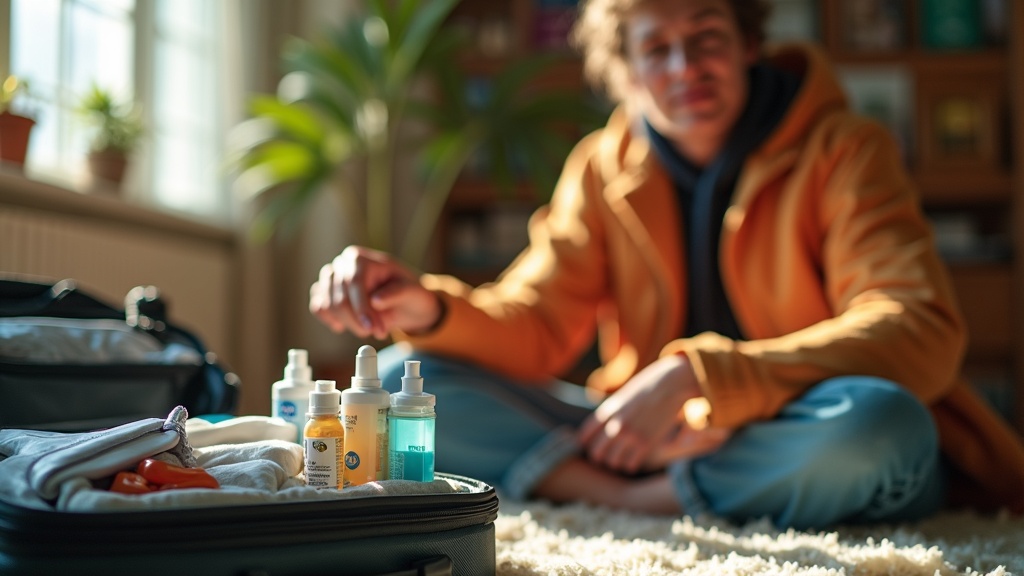
You know that panicked feeling when you get a headache on a long flight, or scrape your knee exploring cobblestone streets, and realize you have nothing helpful with you? A travel first aid kit solves that problem. But here’s the thing: most packing lists make it sound like you need to haul around a small pharmacy.
You don’t.
The truth is, a good travel first aid kit isn’t about preparing for every possible disaster. It’s about handling the stuff that actually happens: blisters from new shoes, upset stomachs, minor cuts, and the occasional headache. These are the problems that can turn a great day into a miserable one if you’re not prepared.
The goal is to pack smart, not heavy. You want something that fits easily in your luggage and covers the everyday health hiccups that come with being away from home. Think of it as your safety net for small problems, not a mobile emergency room.
This guide will help you figure out what actually deserves a spot in your travel first aid kit. We’ll focus on practical items that earn their weight and skip the extras that just take up space. By the end, you’ll have a clear idea of what to bring so you can handle common issues without overthinking it or overpacking. Your future self, standing in a foreign pharmacy trying to mime “blister bandage,” will thank you.
Start with your trip, not a giant list
Most travel first aid kit guides dump fifty items on you and call it a day. But here’s the thing: what you actually need depends entirely on where you’re going and what you’ll be doing there.
Before you pack a single bandage, think about four simple questions. How long will you be gone? What’s the weather like? How far will you be from a pharmacy or clinic? And what will you actually be doing each day?
A week in Tokyo requires different supplies than a week hiking in Patagonia. City travelers mostly deal with blisters from walking, headaches, and the occasional upset stomach. Beach vacations add sunburn and small cuts from rocks or coral. Remote hiking trips mean you need to handle problems yourself for longer.
For most travelers, everyday scenarios look pretty similar. You’ll walk more than usual and get blisters. You might eat something that doesn’t agree with you. The climate might give you a headache or dry out your skin. Someone might get a small scrape or bug bite. These aren’t emergencies, but they can ruin a day if you’re unprepared.
The goal isn’t to prepare for every possible disaster. It’s to pack a small kit that handles the likely annoyances without taking up half your luggage. Think of it like this: you’re not opening a field hospital, you’re just making sure minor problems stay minor.
Once you know your trip’s context, you can skip the stuff you won’t need and focus on what actually matters for your specific situation.
Cover the basics for cuts, scrapes, and blisters
Most travel injuries are small and annoying rather than serious. A blister from new sandals. A scrape from climbing over rocks at the beach. A paper cut that won’t stop bleeding while you’re trying to read your map. These are the situations your travel first aid kit needs to handle.
Start with bandages in a couple of different sizes. Pack five or six regular strips for fingers and small cuts, plus two or three larger ones for knees or heels. You don’t need a whole box. If you run out, you can buy more almost anywhere.
For blisters, bring a few specialized blister plasters. They’re thicker than regular bandages and cushion the sore spot while it heals. Regular bandages work in a pinch, but blister plasters actually let you keep walking without wincing. Toss in three or four, since blisters love to appear when you’re doing a lot of walking.
You also need something to clean wounds before covering them. Small alcohol wipes or antiseptic wipes work well because they’re individually wrapped and take up almost no space. Pack four to six. Use them to clean dirt out of a scrape or disinfect a small cut before putting on a bandage.
Finally, add a small roll of medical tape or a few adhesive strips. They help secure bandages that won’t stay put, especially on joints or spots that move a lot. You’ll also use tape if a bandage gets wet or starts peeling off halfway through the day.
This simple setup handles the vast majority of minor injuries you’ll encounter while traveling. It fits in a sandwich bag and weighs almost nothing.
Plan for pain, fever, and everyday allergies
A headache from dehydration, sore legs after a long day of sightseeing, or a surprise fever can derail your plans fast. That’s why a simple pain and fever reducer is one of the most useful things in your travel first aid kit. Most travelers reach for something like ibuprofen or acetaminophen, but the key is bringing what already works for your body.
You don’t need a full bottle. A small container with enough for a week or so is plenty for most trips. If possible, keep medications in their original packaging with the label visible. This helps avoid confusion at airport security and makes it easier to remember what you packed if you need it at two in the morning.
Allergies have a funny way of showing up when you travel. Pollen you’ve never encountered, dust in an old hotel, or a random rash from brushing against an unfamiliar plant can turn into an itchy distraction. A basic antihistamine can handle mild reactions like sneezing, watery eyes, or minor skin irritation.
Again, stick with what you know. If you’ve used a particular allergy medication at home without issues, bring that one. Don’t experiment with new brands or formulas right before or during a trip.
Check your own sensitivities before you pack. Some antihistamines make people drowsy, which might not be ideal if you’re driving or exploring a new city. Others are designed to stay alert. Know which type you’re bringing and plan accordingly.
These two categories cover a surprising number of minor complaints that could otherwise ruin a day. They’re small, lightweight, and genuinely useful.
Pack for stomach upsets and hydration hiccups
Your stomach will probably have opinions about your travels. New foods, different water sources, erratic meal times, and long bus rides can all trigger digestive complaints. The good news is that most of these issues are temporary and manageable with just a few well-chosen items.
Start with anti-diarrhea tablets like loperamide. They won’t cure anything, but they can slow things down when you have a long travel day ahead or limited bathroom access. Pack a small quantity, maybe six to eight tablets. For nausea, ginger chews or basic anti-nausea medication can settle your stomach when street food doesn’t agree with you or motion gets the better of you.
Constipation happens too, especially when your routine gets disrupted or you’re eating differently than usual. A gentle fiber supplement or a few doses of a mild laxative can save you days of discomfort. Don’t overthink this one, just something simple.
Rehydration matters more than people realize. When you’re dealing with diarrhea, vomiting, or even just sweating through hot days without drinking enough, your body loses both water and essential salts. Oral rehydration packets are lightweight, cheap, and genuinely useful. They’re basically flavored electrolyte powder you mix with water. Toss in three or four packets.
Here’s the important part: most stomach troubles resolve on their own within a day or two. If you’re running a high fever, seeing blood, can’t keep any liquids down for more than twelve hours, or feel genuinely unwell beyond basic discomfort, it’s time to find a doctor or clinic. Your travel first aid kit handles the common stuff, not the serious stuff.
Add a few small tools that solve annoying problems fast
A few tiny tools can turn a frustrating situation into a quick fix. These aren’t fancy gadgets. They’re simple items that solve specific problems you’ll actually encounter while traveling.
Tweezers top the list. A splinter, a tick, or a stubborn piece of glass becomes much harder to deal with without them. Look for a pair with pointed tips that close precisely. Some small scissors or nail clippers can trim loose bandages, cut medical tape, or deal with a hangnail before it gets worse.
A small roll of medical tape earns its space by keeping bandages secure when regular adhesive fails. If you’re hiking, sweating, or spending time in water, tape keeps things in place. It also works for blister prevention if you feel a hot spot forming on your foot.
A basic digital thermometer helps you decide whether that headache is just fatigue or something that needs attention. The compact stick thermometers are travel-friendly and take up almost no room. If you’re traveling with kids or to remote areas, having one removes the guesswork.
Some travelers like including a pair or two of disposable gloves. They’re useful if you need to help someone else with a cut, deal with a messy bathroom situation, or handle anything you’d rather not touch directly. They flatten completely in your kit.
One important note about scissors or anything sharp: rules vary by airline and country. Pack these items in checked luggage if you’re flying, or choose blunt-tip scissors designed for travel. A quick check before you pack saves hassle at security.
Don’t forget personal meds and the info that makes them usable
Your travel first aid kit means nothing if you forget the medications you actually take every day. Pack enough of your regular prescriptions to cover your entire trip, plus a few extra days in case your return gets delayed. This isn’t being paranoid. Flights get cancelled, plans change, and finding your specific medication in an unfamiliar place can be surprisingly difficult.
Keep your medications in their original containers with the pharmacy labels visible. This makes it easier to get through airport security and helps local doctors or pharmacists understand exactly what you’re taking if something goes wrong. If you’re worried about space, at least photograph the labels before transferring pills to a smaller container.
Here’s something people often miss: carry basic health information with you. Write down any allergies, chronic conditions, and emergency contacts on a card or note in your phone. If you end up needing medical help abroad and you’re too sick or stressed to remember details, this simple step can save a lot of confusion.
If you’re traveling with a companion, consider splitting critical medications between your bags. That way, if one bag goes missing, you’re not completely stranded without your essentials. The same goes for things like spare glasses or contact lenses.
One last thing worth mentioning: some medications face restrictions in certain countries, especially anything that could be considered a controlled substance. A quick online search before you travel can help you avoid awkward situations at customs. When in doubt, carry a letter from your doctor explaining why you need specific medications.
Pack it so you can actually find and use it
The best travel first aid kit in the world is useless if you can’t find the band-aid when you need it. Organization matters just as much as what you pack.
Start with a small, clear or brightly colored pouch. Something that stands out when you open your bag. If it’s see-through, even better—you can spot what you need without dumping everything out. A zippered makeup bag or pencil case works perfectly for most travelers.
Inside that pouch, use tiny resealable bags to group similar items together. One for blister care, another for stomach issues, a third for pain relievers. You can write on the bags with a marker if that helps. This keeps pills from rattling around loose and prevents opened packets from spilling everywhere.
Any liquids or creams need to go in their own sealed bag. Not just for airport security, but because a leaked antiseptic cream will ruin everything it touches. Double-bagging liquid medications is worth the extra second it takes.
Think about temperature and moisture too. Don’t leave your kit in a hot car or packed against a sweaty towel in your gym bag. Medications break down in extreme heat, and moisture can dissolve tablets or rust metal tools like tweezers.
Keep your kit in your day bag or personal item when you fly, not buried in checked luggage. You want it accessible during your trip, not just at the hotel. If you’re hiking or out for the day, it should come with you.
Finally, resist the urge to keep adding things. If your kit is getting bulky, you’ve probably gone too far. A compact, organized kit you’ll actually carry beats a comprehensive one that stays in your suitcase.
Common travel first aid kit mistakes that waste space
The biggest mistake travelers make is packing full-size versions of everything. That giant bottle of pain reliever takes up precious luggage space when you probably only need ten pills for a week-long trip. Buy a small travel-size container or use a pill organizer instead.
Another common problem is bringing multiples of the same thing. You don’t need both ibuprofen and aspirin and acetaminophen. Pick one pain reliever that works for you and move on. The same goes for bandages—a handful of different sizes will handle most situations better than thirty identical ones.
Here’s something people forget until it’s too late: blister care. Travelers pack elaborate supplies for unlikely emergencies but skip the simple blister bandages that could save an entire day of sightseeing. A few blister plasters weigh almost nothing and solve one of the most common travel problems.
Many people also assume they can just buy whatever they need at a hotel shop or local pharmacy. Sometimes that works, but not always. Foreign pharmacies might not carry familiar brands, labels might be in another language, or shops might be closed when you need them. It’s smarter to pack basics you know work for your body.
Finally, avoid packing specialized items you don’t actually know how to use. That fancy Israeli bandage or SAM splint won’t help if you’ve never practiced with it. Stick to simple supplies you understand. A regular bandage applied correctly beats an advanced product used wrong every time.