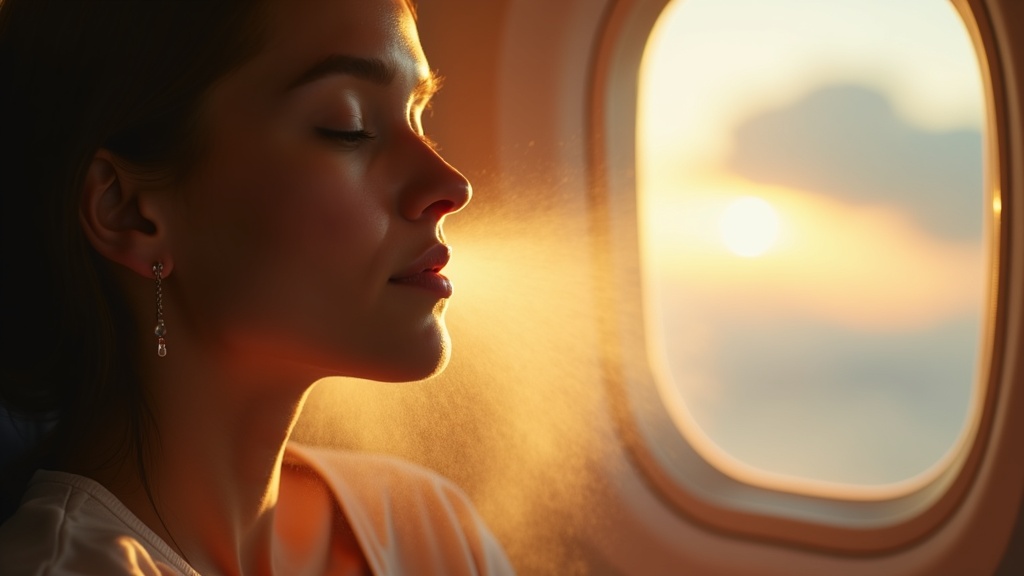
You’ve probably felt it before. An hour into your flight, your face starts to feel tight. By the time you land, your skin feels like parchment paper. Maybe your lips are cracked, or that patch of dry skin on your cheek has turned angry and red.
This isn’t just in your head, and it’s not because airplane air is dirty. The air inside a plane cabin is extremely dry, much drier than what most of us experience on the ground. When you’re cruising at altitude, the humidity level drops to around ten or twenty percent. That’s drier than most deserts.
Your skin needs moisture to stay comfortable and do its job properly. When the air around you has almost no water in it, moisture gets pulled right out of your skin. It’s like leaving a sponge on a sunny windowsill. It dries out fast.
The good news is that you don’t need an expensive routine or a bag full of products to feel better. A few simple steps before, during, and after your flight can make a real difference. We’re not talking about achieving perfect skin or following some influencer’s ten-step regimen. We’re talking about basic comfort, the kind that helps you arrive feeling more like yourself.
Whether you fly once a year or once a week, taking care of your skin on airplanes doesn’t have to be complicated. Let’s look at what actually works.
Why your skin feels different on a plane
The air inside a plane is incredibly dry. Much drier than what your skin deals with on the ground, even in winter. This happens because the air at high altitudes contains very little moisture to begin with, and the systems that keep the cabin comfortable don’t add much humidity back in.
Think of it like spending hours in a room with the heater blasting. Your skin starts to feel tight and uncomfortable because the dry air pulls moisture away from its surface. On a plane, this effect is even stronger and lasts for the entire flight.
That dry environment doesn’t just make your skin feel tight. It can also lead to flaking, especially around your nose and mouth. Your complexion might look duller than usual. And if your skin is already on the sensitive side, you might notice redness or irritation that wasn’t there before you boarded.
The recycled air doesn’t help either. It circulates through the cabin over and over, which means you’re breathing the same dry air for hours. This affects not just your skin but also your lips, eyes, and even your throat.
How much this bothers you depends on a few things. Longer flights give the dry air more time to work on your skin. If you’re flying somewhere with a very different climate, that adds another layer of stress. And if your skin tends to be dry or sensitive already, you’ll probably notice the effects more quickly than someone with oily skin. But almost everyone feels some difference after a few hours in the air.
What to do before boarding to set your skin up for less dryness
The best time to protect your skin is before you even step on the plane. Start with a gentle cleanse at home or in the airport bathroom if you’re coming from a long day. You want a clean base, but nothing that strips your skin or leaves it feeling tight.
Right after cleansing, apply a good moisturizer while your skin is still slightly damp. This helps trap water in your skin rather than just sitting on top of it. If you have areas that tend to get especially dry, like around your nose or the corners of your mouth, consider adding a thin layer of something more occlusive. That just means a thicker product that creates a protective barrier, like a healing balm or petroleum jelly.
Here’s what to skip before flying: harsh scrubs, strong exfoliating acids, or potent treatments like retinol. The cabin air is already going to stress your skin, and these products can make it more sensitive and prone to stinging or irritation. Save the intense stuff for when you’re back on the ground.
If you usually wear makeup, think about going lighter than normal. Heavy foundation or powder can start to feel uncomfortable as your skin dries out mid-flight. A tinted moisturizer or just concealer where you need it often feels better after a few hours in the air. Your skin will thank you when you’re not sitting there feeling like your face is tight and itchy.
A low-effort in-flight routine that actually helps
You don’t need to turn your tray table into a vanity station. The goal here is simple: keep your skin from getting uncomfortably dry without making a scene in row 23.
Start about an hour into the flight, before your skin begins to feel tight. Apply a moisturizer to your face, focusing on areas that tend to dry out first like around your nose, cheeks, and forehead. If you wear makeup, you can still dab moisturizer on dry patches without ruining everything.
Your hands and lips lose moisture faster than anything else on a plane. Keep a lip balm in your pocket and reapply whenever your lips start to feel even slightly dry. For hands, a small tube of hand cream works wonders, especially after you’ve used that tiny lavatory sink with its harsh soap.
Here’s where people often go wrong: spraying facial mist and calling it done. Water sitting on your skin in dry air actually pulls moisture out as it evaporates, leaving you worse off than before. If you like using a mist, that’s fine, but follow it immediately with moisturizer to lock that hydration in.
You don’t need to stick to a schedule. Just check in with your skin every couple of hours. Does your face feel tight? Are your lips starting to crack? That’s your cue to reapply. On longer flights, you might moisturize two or three times. On shorter ones, maybe just once.
The whole routine takes less than two minutes and requires nothing more than what fits in your palm. No sink needed, no complicated steps, just enough care to arrive feeling human.
Hydration during flights without overthinking it
Your body loses moisture faster when you’re flying, and drinking water regularly helps make up for that. It’s not about hitting a magic number of glasses or following strict rules. It’s about noticing when you feel dry or uncomfortable and doing something simple about it.
The easiest approach is to sip water steadily throughout the flight instead of chugging a bottle all at once. Small amounts spread over time work better than trying to catch up later. If you have a reusable water bottle, fill it after security and keep it within reach during the flight.
Some drinks can leave you feeling more dried out than others, and you might notice this yourself. Coffee and alcohol both pull moisture from your system, which can add to the dryness you’re already dealing with in the cabin air. That doesn’t mean you need to skip them entirely, but balancing them with water can help you feel more comfortable.
If you usually have a couple of coffees or a glass of wine during a flight, try alternating each one with some water. You’ll probably notice the difference in how your skin and mouth feel by the time you land.
Some people don’t notice much effect from what they drink, and that’s fine too. The point is to pay attention to what makes you feel better. If your lips feel tight or your eyes start to feel scratchy, that’s your signal to drink something hydrating. It’s less about following rules and more about responding to what your body is telling you.
How to choose travel skincare products that won’t backfire
The worst time to discover your skin hates a new product is halfway through a flight. Cabin air is already working against you, so this isn’t the moment to experiment with anything strong or unfamiliar.
Start with the gentlest versions of what you need. A plain, fragrance-free moisturizer works better than one packed with active ingredients that might tingle or irritate. Think of it this way: your skin is already stressed from the dry air, so you want to calm things down, not add more drama.
If you want to freshen up mid-flight, you can usually skip cleansing altogether. A splash of water or a damp cloth is often enough. If you do prefer a cleanser, choose something extremely mild. Anything that leaves your face feeling tight or squeaky clean is too harsh for airplane conditions.
Watch out for products heavy in drying alcohols, which often show up near the top of ingredient lists as alcohol denat or isopropyl alcohol. These evaporate quickly and can make dry skin worse. Strong fragrances can also backfire, especially in close quarters where your seatmate might not appreciate your lavender mist.
Even if you have oily or acne-prone skin, you still need moisture on a plane. Dehydration and oil production are different things. Your skin can be both oily and desperately thirsty at the same time. Look for lightweight, non-comedogenic moisturizers that won’t clog pores but still provide a protective barrier.
Before any trip, test new products at home for at least a week. Your bathroom is a much better place to discover a reaction than a cramped airplane bathroom. Stick with what you know works when you’re actually in the air.
Don’t forget the parts that dry out fastest
While you’re thinking about your face and arms, some smaller areas quietly suffer first. Your lips, hands, the delicate skin under your eyes, and the area around your nose are all working overtime to keep moisture in. They lose the battle faster than anywhere else.
Lips have almost no oil glands, which means they can’t protect themselves the way other skin does. They chap quickly in dry cabin air. Keep a good lip balm handy and reapply whenever they start feeling tight. Don’t wait until they’re already cracked.
Your hands take a beating too. You wash them more often during travel, and every trip to the airplane bathroom strips away protective oils. A small tube of hand cream makes a real difference. Apply it after washing and once or twice during the flight if your hands feel papery.
The skin under your eyes and around your nose is thinner than the rest of your face. It dries out faster and can start feeling uncomfortable or even a bit sore on longer flights. A gentle moisturizer dabbed lightly in these areas helps, but keep it simple. You don’t need anything fancy, just something that adds a protective layer.
If you wear contact lenses, your eyes might feel especially dry and scratchy as the flight goes on. The low humidity affects the tear film that keeps your lenses comfortable. Bringing rewetting drops or even switching to glasses for the flight can make those last few hours much more bearable. Your eyes will thank you when you land.
Adjustments for sensitive skin, eczema-prone skin, and rosacea
If your skin tends to react easily, airplane cabins can feel like a minefield. The dry air alone is rough enough, but it’s the combination of things that really adds up. Low humidity pulls moisture out of your skin. Then you might rub your face without thinking, or wipe it with a scratchy napkin. Each touch can nudge already irritated skin closer to a flare-up.
The smartest move is to keep your routine incredibly simple. This isn’t the time to try a new serum or pack that face mask someone recommended. Stick with products you know won’t upset your skin. If something usually calms things down at home, bring that.
Look for a thick, barrier-protecting moisturizer and use it generously. Think of it as a shield between your skin and the harsh cabin air. Reapply whenever your face feels tight or uncomfortable. The goal is to lock moisture in and keep irritants out.
Try not to touch your face more than necessary. It’s tempting to rub when your skin feels dry or itchy, but friction makes everything worse. If you need to dab or wipe, be gentle.
Temperature swings matter too. You might feel warm in the terminal, then cold on the plane, then warm again. For some people with reactive skin, those shifts can trigger redness or sensitivity. Layering your clothing helps you adjust without your body having to work as hard.
Travel stress can also play a role. If you know you’re someone whose skin reacts when you’re anxious or rushed, simple comfort steps count. Stay hydrated, breathe slowly, and remind yourself that keeping things low-effort is actually the better strategy.
How to help your skin recover after landing
Once you’re off the plane, your skin doesn’t need a dramatic rescue mission. It just needs a gentle reset. Think of it like helping someone who’s been out in the cold—you warm them up slowly, not all at once.
If your face feels grimy or tight, start with a gentle cleanse. Use lukewarm water and a mild cleanser that won’t strip away what little moisture your skin has left. If your skin feels okay, you can skip this step entirely. There’s no rule that says you must wash your face the second you land.
Next, rehydrate with a good moisturizer. Your skin has been sitting in desert-dry air for hours, so this is where you give it back some of that lost moisture. Apply it while your skin is still slightly damp if you did cleanse—it helps lock everything in.
Here’s what not to do: don’t reach for strong exfoliants, retinoids, or any aggressive treatments right after a flight. If your skin feels sensitive or looks a bit red, those products will only make things worse. Your skin barrier has been through enough already.
One more thing to keep in mind—the climate where you’ve landed matters. If you flew from winter cold to tropical humidity, your usual heavy moisturizer might suddenly feel like too much. If you went the other direction, you might need an extra layer. Pay attention to how your skin feels in the new environment, not just how it felt on the plane.
The goal is simple comfort, not perfection. Let your skin settle in before you do anything more complicated.