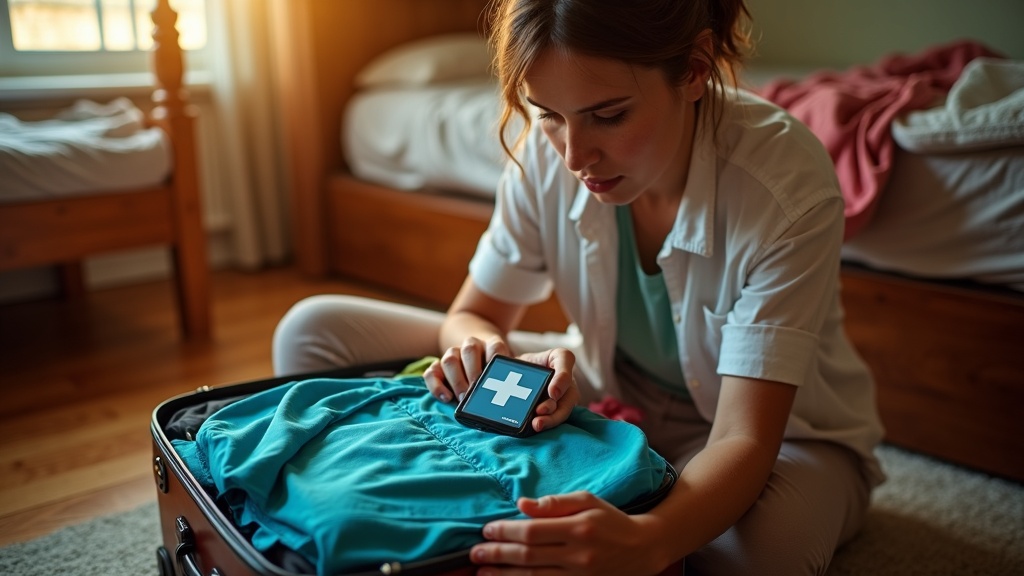
You’ve probably seen those massive first aid kits at the pharmacy. They come in bulky cases and promise to handle everything from snake bites to collapsed lungs. They look impressive, but here’s the thing: most travelers never open half the stuff inside.
On the flip side, maybe you’ve scrolled through packing lists online that seem to go on forever. Gauze pads, medical tape, three types of antibiotic ointment, irrigation syringes, hemostatic agents—it starts feeling like you’re preparing for wilderness surgery, not a beach vacation.
The truth is, you don’t need to carry a portable emergency room. What you actually need is a small collection of items that handle the minor annoyances that really do happen when you travel. We’re talking about headaches, blisters, upset stomachs, small cuts, and bug bites. The everyday stuff.
A basic travel first aid kit should fit in a toiletry bag and contain things you’ll actually use. It should be light enough that you don’t resent carrying it, but complete enough that you’re not frantically searching for a pharmacy at midnight in an unfamiliar city.
This guide will walk you through exactly what belongs in that kit and what you can safely leave at home. No overwhelming lists. No expensive items you’ll never touch. Just a practical, compact setup that works for most trips and most travelers.
Start with what you’re most likely to use
Here’s the truth about travel health issues: most of what goes wrong is small, annoying, and fixable on the spot. We’re talking blisters from walking too much in new shoes. A scrape from bumping into a rough wall. A headache after a long flight. An upset stomach from trying street food that didn’t agree with you.
These aren’t emergencies. They’re minor problems that can derail your day if you can’t deal with them quickly. That’s what a basic travel first aid kit is really for. It helps you handle the small stuff so you can keep exploring instead of hunting for a pharmacy in an unfamiliar place.
Think of your kit as a “keep moving” tool, not a hospital replacement. You’re packing for the ability to clean a cut, cover a blister, ease a headache, or settle your stomach. Things that let you get back to your trip without losing hours or comfort.
The flip side matters too. Your first aid kit isn’t meant for anything serious. If you have chest pain, a high fever, severe bleeding, or anything that genuinely scares you, you need real medical help. A Band-Aid and some pain reliever won’t fix those situations, and pretending they will is dangerous.
This distinction keeps your kit small and useful. You’re not preparing for every possible disaster. You’re covering the everyday bumps and discomforts that happen to almost everyone who travels. Pack for what’s likely, not what’s possible, and you’ll have exactly what you need without hauling around a portable clinic.
Cover small cuts, blisters, and irritation with a few basics
Most travel injuries aren’t dramatic. They’re the annoying little things that happen when you’re walking more than usual, brushing against unfamiliar surfaces, or handling new gear. A scrape from a rough wall. A blister from those sandals you thought were broken in. A minor cut from opening a stubborn package.
You don’t need a pharmacy to handle these. Just a small collection of basics that cover skin-level problems.
Start with a handful of adhesive bandages in a couple of sizes. Three or four small ones for fingertips and minor scrapes, plus two or three larger ones for bigger spots. That’s usually enough for a week or two of travel. You’re not stocking a summer camp.
Add something specifically for blisters. Blister bandages are thicker and cushioned, designed to stay put while you keep walking. If you can’t find those, a couple of regular bandages and a bit of gauze work nearly as well. The goal is just to protect the spot from rubbing.
For cleaning, bring a few antiseptic wipes or a tiny bottle of wound wash. You want something that cleans dirt out of a scrape without needing running water. A small pack of alcohol wipes also works, though they sting more.
Finally, pack a small roll of medical tape and a few non-stick gauze pads. These handle anything too big for a bandage, like a scraped knee or a deeper cut that needs covering. The tape holds the gauze in place without pulling at your skin when you remove it.
Keep quantities small. You’re solving for the most common problems, not preparing for every possible scenario. A few of each item fits easily into a pouch and covers most of what actually happens on the road.
Pack a tiny set of medicines for the usual travel problems
You don’t need to carry an entire pharmacy, but a few targeted medicines can save you from unnecessary misery. The goal is covering the most common travel complaints without turning your first aid kit into a suitcase of its own.
Start with something for pain and fever. Whether it’s a headache from dehydration or body aches from too much walking, a simple pain reliever goes a long way. Pick whichever type you normally use and trust.
Next, pack an antihistamine for allergic reactions. New foods, unfamiliar plants, and random bug bites can all trigger unexpected reactions. Having one on hand means you’re not hunting for a pharmacy in an unfamiliar place while you’re itchy and uncomfortable.
For stomach issues, think about what typically bothers you. If you’re prone to motion sickness or nausea, bring something for that. If diarrhea tends to strike when you travel, pack a medication you know works for you. You don’t need both unless you have a history of needing both.
If you take any prescription medications, bring enough for your entire trip plus a few extra days as backup. Losing pills or facing travel delays is stressful enough without running out of something important.
Keep medicines in their original packaging whenever you can. It helps with identification, includes dosing information you might forget, and avoids confusion at border crossings. If space is tight, at least keep the label or take a photo of it on your phone.
This simple approach to essential travel medicine means you’re prepared for the predictable stuff without carrying things you’ll never open.
Keep it compact, organized, and easy to reach
The best first aid kit in the world won’t help if it’s buried at the bottom of your suitcase or so overstuffed you can’t find what you need. A good basic travel first aid kit should fit in a pouch roughly the size of a large pencil case. Any bigger and you’re probably overthinking it.
Choose something with a zipper that opens wide so you can see everything at once. Clear pouches work great because you can spot what you need without digging around. If your pouch isn’t see-through, consider using small ziplock bags inside to group similar items together. Put wound care stuff in one bag and medications in another.
Travel-size is your friend here. You don’t need a full box of bandages or an entire bottle of pain relievers. Repack things into smaller containers or bring just a blister pack of tablets instead of the whole package. This also prevents you from carrying duplicates. One small tube of antibiotic ointment is enough. You don’t need three.
Take a minute to label anything that’s not in its original packaging, especially medications. Your future self will thank you when you’re tired and need to find something quickly. While you’re at it, check expiration dates before each big trip. Toss anything that’s past its prime.
Keep liquids and creams in sealed bags to prevent leaks from ruining everything else. Tuck cotton balls or tissue around glass items if you’re bringing any. And here’s a practical tip: keep a few bandages and pain relievers in your day bag too. Minor emergencies don’t wait until you’re back at your hotel.