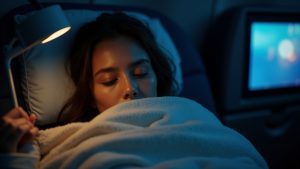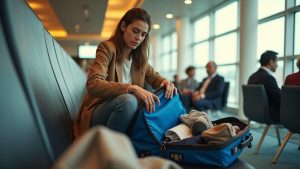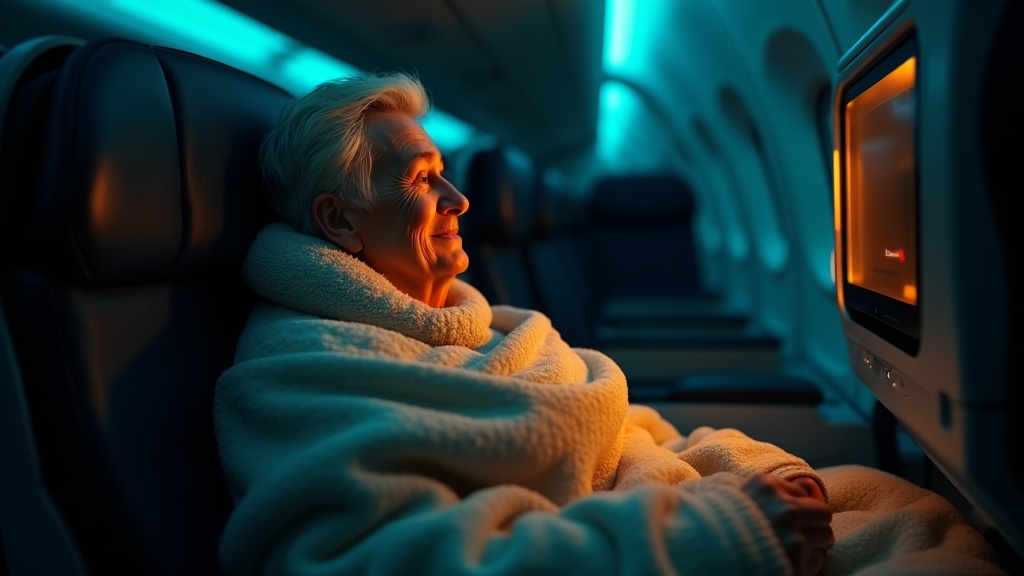
Picture this: you’re wedged into an economy seat at 35,000 feet, the cabin lights finally dim, and you realize your neck is already cramping. The person in front of you reclines. The air feels weirdly dry. Your legs don’t quite fit anywhere comfortable. And you’ve got six more hours until landing.
Most packing lists for overnight flights focus on the obvious stuff. Passport, charger, headphones. But those things don’t actually help you sleep. They just get you through the flight awake and mildly entertained.
The real challenge isn’t staying busy on a red-eye. It’s creating enough physical comfort in a deeply uncomfortable space that your body might actually relax for a few hours. That’s a different problem entirely, and it needs different solutions.
This isn’t about luxury or spoiling yourself. It’s about understanding that small, specific adjustments can make an enormous difference when you’re trying to rest in a seat that wasn’t designed for sleeping. A few dollars spent on the right items can mean the gap between arriving exhausted and arriving functional.
The carry-on overnight essentials that actually matter aren’t the ones that keep you occupied. They’re the ones that address the specific, physical reasons sleeping on a plane feels impossible. Things that deal with awkward angles, dry air, noise, light, and the fact that your body knows this definitely isn’t a bed.
Support your neck and lower back so sleep is even possible
Most people blame turbulence or crying babies when they can’t sleep on a plane. But the real culprit is usually your posture. Your neck tilts at a weird angle, your lower back curves into the seat gap, and within twenty minutes you’re stiff and miserable.
A good neck support makes a huge difference, but not all travel pillows work the same way. If you sleep leaning forward, those U-shaped pillows that wrap around your neck won’t help much. You need something you can hug or prop against the tray table. If you lean to the side, you want a pillow that stops your head from flopping over once you’re actually asleep. Think about how you naturally doze off before you buy anything.
Your lower back needs attention too. Economy seats have a gap right where your spine wants support. A small lumbar cushion fixes this, but it doesn’t need to be fancy. A compressible pillow works. So does a rolled-up scarf or sweater wedged behind you. Inflatable options pack down to almost nothing, and you can adjust the firmness by letting out a bit of air.
One overlooked trick is keeping your head from bobbing forward when you’re half-asleep. Pull a hoodie hood over your eyes or wrap a soft scarf loosely around your head and the seat. It sounds silly, but it keeps you from jerking awake every time your chin drops.
The key with all of this is staying compact. Small, adjustable support beats a bulky pillow every time. You want just enough cushioning to take the pressure off, not something that eats up your legroom or won’t fit in your bag once you land.
Block noise and light without making yourself miserable
The difference between dozing for twenty minutes and actually sleeping often comes down to whether you can trick your brain into thinking it’s nighttime. That means blocking out the cabin lights, the glow from other people’s screens, and the constant hum of the plane itself.
A good sleep mask is worth its weight in gold, but most of them are terrible. The flat ones press against your eyelids, which feels weird and makes it harder to fall asleep. Look for a mask with contoured eye cups that create space around your eyes. You can blink freely, and it doesn’t feel like someone’s hand is on your face. Make sure the strap is adjustable and sits comfortably without sliding off when you turn your head.
For noise, earplugs are your cheapest and most reliable option. The foam ones work fine if they actually fit your ears. Roll them tight, pull your ear up and back, and insert them before they expand. If they keep falling out or feel uncomfortable, try the softer silicone ones that mold to your ear shape. Pack a spare pair in a different pocket. You will drop one on the floor at some point.
Noise-canceling headphones are a nice bonus if you already own them, but they’re not essential. They’re great for blocking engine noise, but they’re also bulky and one more thing to keep track of. If you bring them, make sure they’re charged. A dead pair of headphones is just an expensive neck pillow.
The goal isn’t to create a sensory deprivation chamber. You just want to dial down the chaos enough that your body stops paying attention to it.
Plan for cabin temperature swings with compact layers
Airplane cabins have two temperature settings: arctic and stuffy. You’ll start out comfortable during boarding, then freeze once you’re at cruising altitude, then wake up sweating when they turn the heat up before landing. The airline blanket feels like it’s made from recycled sandpaper, and it’s never quite big enough to cover your shoulders and feet at the same time.
The fix is bringing a few thin, soft layers you can mix and match without taking up half your bag. A lightweight hoodie or cardigan works better than a bulky sweater because you can unzip or remove it easily when the temperature shifts. Add a pair of warm socks that aren’t your walking shoes, and suddenly your feet aren’t blocks of ice pressed against the seat in front of you.
A soft scarf or large wrap is the secret weapon here. You can drape it over your shoulders, bunch it up as a neck pillow, or tuck it around the edges of that scratchy airline blanket to keep it from touching your face. It takes up almost no space but solves multiple problems at once.
The key is choosing fabrics that breathe. Cotton, bamboo, or merino wool feel comfortable against your skin for hours and don’t trap heat the way synthetic materials can. You want something that works whether you’re cold or just need a barrier between you and the recycled air.
Keep these layers at the very top of your personal item or tucked in the seat pocket if there’s room. Digging through your bag at two in the morning while your seatmate is sleeping is nobody’s idea of a good time. You want to grab what you need and settle back in without fully waking up.
Handle dry air with a small, no-fuss comfort kit
Airplane cabins are notoriously dry. The air pulls moisture from your skin, mouth, nose, and eyes while you’re trying to sleep. You might not notice it happening, but you’ll definitely feel it when you wake up with cracked lips and a throat that feels like sandpaper.
The fix doesn’t require much space or expense. Start with an empty water bottle that you can fill after security. Staying hydrated from the inside matters more than any product you can apply to your skin. Keep it at your seat so you’re not rationing sips or making repeated trips down the aisle in the dark.
For your skin, pack a small tube of lip balm and hand cream. These take up almost no room but make a real difference during long flights. Your lips and hands are exposed to that dry air the entire time, and both can get uncomfortably tight and cracked by morning.
If your nose tends to dry out, a small saline nasal spray or gel helps keep things comfortable. Same goes for moisturizing eye drops if you normally use them. These fall under the carry-on liquid rules, so keep them in small containers that fit your quart-sized bag.
The key is keeping everything minimal and accessible. Tuck these items in a seat pocket or small pouch you can reach without digging through your bag. When you’re groggy at two in the morning, you won’t want to hunt for anything. A quick application of lip balm or a sip of water takes seconds but prevents those small irritations from building into real discomfort that keeps you awake.
Pack a quick freshen-up set for landing that doesn’t take over your bag
You don’t need a full bathroom cabinet to feel human again after a long flight. A few small, strategic items can make the difference between stumbling off the plane looking disheveled and walking through arrivals with at least some dignity intact.
Start with a travel toothbrush and a tiny tube of toothpaste. This is non-negotiable. Even if you slept well, your mouth won’t feel like it. Brush your teeth about thirty minutes before landing, after you’ve had your last sip of coffee or juice. You’ll feel instantly more awake and presentable.
Face wipes are your next best friend. They remove the film of recycled air and sleep from your skin without needing water or a sink. One wipe does the job. If you prefer a small damp cloth in a ziplock bag, that works too, though it takes up slightly more space. Either way, this goes in an easy-access pocket of your carry-on, not buried at the bottom.
A travel-sized deodorant belongs in this kit. You might not think you need it, but cabin temperature and stress sweating are real. A quick reapply before landing takes five seconds and makes you far more comfortable in close quarters during deplaning.
If you have longer hair, toss in a hair tie or a small comb. You can smooth things out or pull everything back into something intentional rather than letting bedhead tell the whole story of your flight.
Keep all of this together in a small clear pouch or zippered pocket. When you head to the lavatory before landing, you can grab it in one motion. Airplane bathrooms are cramped and awkward. The faster you can get in, freshen up, and get out, the better for everyone.