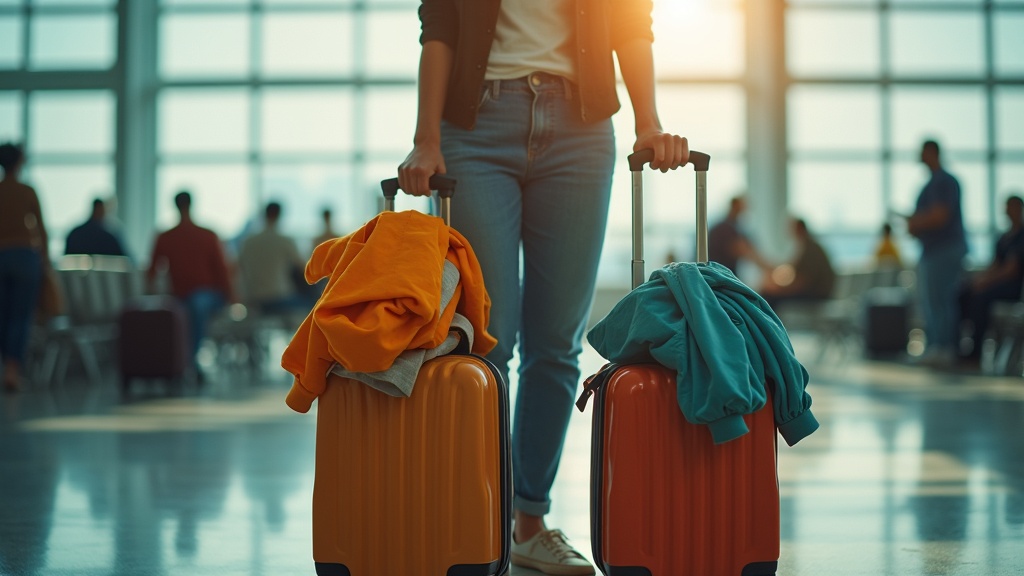
You’ve probably seen those carry-on packing videos where someone fits two weeks of travel into a tiny bag with just seven items, all in neutral colors. It looks impressive. It also looks completely unrealistic if you’re an actual human who sweats, wants more than one pair of shoes, or plans to do anything besides pose in coffee shops.
Here’s the truth: you absolutely can pack for two weeks in a carry-on without becoming a minimalist monk. You don’t need to wear the same outfit five days in a row or hand-wash underwear in hotel sinks every night. You just need a system that makes sense.
The key is understanding that efficient packing isn’t about deprivation. It’s about being smart with what you bring and how you pack it. Think of it like meal planning. You’re not trying to eat the least amount of food possible. You’re trying to avoid buying groceries you won’t use and letting half of them go bad in the fridge.
This guide walks through a practical approach that real people actually use. We’re talking about enough clothes to feel fresh, room for a few extras you actually want, and packing methods that don’t require engineering diagrams. You’ll still have choices each morning. You’ll still feel like yourself.
If you can commit to doing laundry once during your trip and making a few intentional decisions before you pack, you’re already most of the way there. No magic required.
Start with your real trip needs, not a generic packing list
Before you open your suitcase, spend ten minutes sketching out what your two weeks actually look like. This isn’t busywork. It’s the difference between packing fourteen outfits you’ll never wear and bringing exactly what you need.
Start by counting how many days you’ll be actively traveling versus staying put. Moving between hotels every other day means clothes that dry quickly and don’t wrinkle matter more than variety. Staying in one place for a week? You can repeat outfits without anyone noticing, and you might have access to laundry.
Check the weather forecast for your destination, but focus on the range rather than daily predictions. If it’s going to be between sixty and seventy-five degrees, you need one light layer, not a full winter coat. If rain is likely, you need one good waterproof jacket, not seven backup options.
Write down your actual plans. Three work video calls means you need one or two tops that look professional from the waist up. Daily walking tours? Comfortable shoes become non-negotiable, and fashion sneakers won’t cut it. Beach time, gym access, or fancy dinners each change what belongs in your bag.
This is also when you figure out your laundry situation. A washing machine at your rental means you can pack half as much. No laundry access means you either pack more or plan to hand-wash in the sink.
Once you see your trip mapped out, pick three or four colors that work together. This isn’t about creating some perfect capsule wardrobe. It just means your six tops and three bottoms can mix without looking weird. Then choose two pairs of shoes maximum that actually match what you’ll be doing each day.
Build a clothing plan that repeats well and still gives you options
The secret to packing light without feeling stuck in the same outfit is building a clothing plan around pieces that mix well together. Think of it like a small wardrobe where everything plays nicely with everything else.
Start with one or two bottoms that work for most situations. A pair of jeans or dark pants and maybe shorts or a skirt, depending on where you’re going. These become your foundation. Then pack tops that all pair well with both bottoms. Three to five tops usually does the job for two weeks, especially if you choose styles that don’t scream “I wore this yesterday.”
Here’s where it gets practical: you’ll wear underwear and socks daily, so pack enough for about a week and plan to do laundry once or twice during your trip. But your pants, shorts, skirts, and most tops can be worn multiple times before they need washing. A good pair of jeans can easily go four or five days. Tops made from natural fibers or certain synthetic blends tend to feel fresher longer and don’t wrinkle as badly in a packed bag.
Add one nicer layer that dresses things up for evenings or slightly fancier situations. A blazer, cardigan, or button-down shirt works. Then include one warm layer like a fleece or sweater, and one rain layer if weather might be iffy. These outer pieces do double duty, changing the look of your basic outfit without taking up much extra space.
The trick is choosing cuts and colors that transition from walking around during the day to sitting down for dinner at night. A simple top with jeans looks casual with sneakers, but swap in different shoes and add that nicer layer, and you’re ready for most evening plans without packing a separate outfit.
Treat laundry as a tool, not a daily chore
Here’s the thing that changes everything about carry-on packing: you don’t need fourteen pairs of underwear. You just need access to laundry once during your trip. That single shift in thinking cuts your packing load dramatically.
The easiest approach is finding accommodations with a washer and dryer. Many Airbnbs have them, and plenty of hotels offer guest laundry rooms. Throw in a load around day seven or eight, and you’re essentially resetting your wardrobe. It takes maybe an hour of your time, most of which you’ll spend doing something else anyway.
If machines aren’t available or you’d rather not deal with it, look for a wash-and-fold service near where you’re staying. Drop off a bag in the morning, pick it up that evening. It usually costs somewhere between ten and twenty dollars, which is pretty reasonable when you consider you packed half as much because of it.
Some travelers prefer hand-washing a few key items in the sink when needed. This works great for underwear, basic tees, or workout clothes. These dry relatively fast, especially if you roll them in a towel first to squeeze out excess water. Just don’t expect jeans or thick sweaters to dry overnight. Those items rarely need washing during a two-week trip anyway.
If you want to hand-wash occasionally, toss a small pack of laundry detergent sheets or a travel-size bottle in your bag. But honestly, a little hand soap or shampoo works fine in a pinch.
One practical tip: plan to wear a lighter outfit on laundry day. That way your favorite jeans or bulky sweater can go in the wash without leaving you with nothing comfortable to wear.
Choose carry-on essentials that earn their space
The non-clothing stuff is where carry-on packing usually falls apart. You start with good intentions, then suddenly your bag is crammed with full-size shampoo bottles, three different chargers, and a hairdryer you’ll probably never use.
Think about essentials in order of priority. First comes documents, money, and cards. Then medications and basic health items you truly can’t replace easily. After that, your phone charger and any adapters you actually need. Finally, the bare minimum toiletries and maybe one small thing that makes you feel human, like a book or your favorite lip balm.
The trick with toiletries is going smaller than feels natural. Decant your regular products into tiny containers, or better yet, look for solid versions. A shampoo bar takes up almost no space and lasts forever. Face wash often comes in small tubes. You don’t need backup bottles of everything.
Electronics multiply like rabbits if you’re not careful. Most people only need their phone charger and maybe a laptop cable. Skip the Kindle if you’re fine reading on your phone. Leave the portable speaker at home. If you’re traveling with someone, share one hair tool instead of each bringing your own.
The same logic applies to shoes. Two pairs max for most trips: the ones you wear on the plane and one other pair. Shoes eat up more space than almost anything else, and you’ll mostly wear the comfortable ones anyway.
When you’re deciding whether something counts as essential, ask yourself what would actually happen if you didn’t have it. If the honest answer is “I’d buy a small one there” or “I’d be fine,” leave it home.
Make everything fit without fighting your suitcase
The secret to fitting two weeks into a carry-on isn’t buying fancy organizers. It’s grouping things logically and using your space in layers.
Start by sorting your clothes into categories: tops, bottoms, underwear, and so on. This makes it easier to see what you actually have and prevents the dreaded overstuffing of random items everywhere. If you have a packing cube or even a large ziplock bag, use one for underwear and socks. It keeps small things from migrating to the bottom of your bag where you’ll never find them.
For the rolling versus folding debate, here’s the honest truth: both work. Rolling is great for t-shirts and casual clothes because it saves space and reduces some wrinkles. Folding works better for button-up shirts and anything structured. Most people end up doing a mix, and that’s completely fine.
Shoes are the space killers. Wear your bulkiest pair on the plane. Pack the others in bags or old grocery sacks to keep dirt off your clothes, and stuff socks or underwear inside them to use that hollow space. If you’re bringing a jacket or hoodie, wear it during travel even if you take it off immediately after boarding.
Before you zip up, do a close test. Pack everything, close the bag most of the way, then open it again and remove one or two items. This creates a small buffer for the trip home when you inevitably acquire a souvenir or just need things to fit less perfectly after living out of the bag for two weeks.
Keep anything you’ll need during the flight or first few hours in the top layer or an exterior pocket. Phone charger, medications, a change of underwear if your checked bag goes missing. Wait, you don’t have a checked bag. See? You’re already winning.