You’ve probably heard it before: locks on backpacks are useless because a thief can just slice through the fabric with a knife. And sure, that’s technically true. But here’s the thing most people miss: travel theft usually isn’t about determined criminals with knives. It’s about opportunists looking for easy targets.
Think of it this way. A lock on your backpack isn’t meant to stop a professional thief who’s targeting you specifically. It’s there to make your bag slightly more annoying to get into than the one sitting next to it. And that simple difference matters more than you might think.
Most theft while traveling happens in crowded places, hostels, buses, or cafes where someone can quietly unzip your bag without you noticing. A lock makes that impossible. It buys you time, creates noise, and forces someone to be obvious about what they’re doing.
The goal isn’t to create a fortress. It’s to add a basic layer of security that handles the most common situations travelers actually face. You don’t need anything fancy or expensive. A simple lock used smartly can give you real peace of mind without adding stress or weight to your trip.
So yes, locks can be sliced through. But they don’t need to be perfect to be useful. In the next sections, we’ll look at practical options that actually work for real travel situations, and when locking your backpack makes the most sense.
Why locking a backpack can still be worth it
Here’s the thing about locks on backpacks: they won’t stop a determined thief with tools and time. But here’s what most people miss. The vast majority of travel theft isn’t some Ocean’s Eleven operation. It’s someone quickly unzipping your bag while you’re distracted at a bus station or reaching into an open pocket on a crowded train.
A simple lock changes the equation. It forces someone to spend more time and make more obvious movements to get into your bag. That’s often enough to make them move on to an easier target. Think of it this way: if a thief sees ten backpacks on a hostel floor and yours is the only one with a locked zipper, they’ll probably try one of the other nine first.
Locks also prevent accidental openings. Backpack zippers can slide open from movement and jostling, especially when your bag is stored overhead or tossed into luggage compartments. A small lock keeps everything secure even when you’re not watching.
The key is knowing what you’re actually getting. A lock won’t make your backpack impenetrable. Someone with a knife can cut through fabric in seconds. But that’s not really the point. You’re not trying to create a vault. You’re trying to add just enough friction that casual opportunists keep walking and your zippers don’t accidentally spill your clothes across an airport conveyor belt.
It’s a small step that handles the most common scenarios without pretending to solve every possible threat. And sometimes, that’s exactly what you need.
When it makes sense to lock your backpack
Not every moment calls for locking your backpack. If you’re sitting in a quiet café with your bag on your lap, or it’s tucked beside you in a private hotel room, you’re probably fine without one. The risk is low when your bag stays in sight and no one else has easy access.
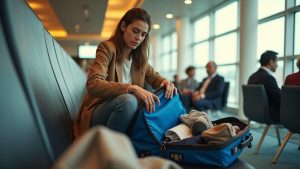
Things change when your backpack leaves your direct control. Airport security lines are a classic example. Your bag goes on the conveyor belt and disappears from view for a minute or two. That’s enough time for someone to unzip a pocket and grab something small. The same goes for train luggage racks or overhead bins on buses, where your bag might be several rows away.
Hostel dorms are another high-risk moment. You’re sharing a room with strangers, and your bag might sit on the floor or a bunk while you’re out exploring. A simple lock won’t stop a determined thief, but it does prevent casual opportunists from taking a quick look inside.
Crowded tourist spots deserve extra caution too. When people are constantly brushing past you in a busy market or on a packed metro, it’s easier for someone to test a zipper without you noticing. A locked bag means they move on to an easier target.
Finally, consider those quick moments when you need to step away. Maybe you’re checking a map at a train station and your bag is at your feet, or you’re ordering food and your backpack is on a nearby chair. These brief separations add up during a long trip, and a lock gives you one less thing to worry about.
Simple lock options that work for travel
You don’t need anything fancy to lock a backpack. The simplest option is a small padlock that clips through your zipper pulls. These come in two styles: ones you open with a tiny key, and ones with a number combination you spin to unlock.
Combination locks are usually more convenient because you won’t lose a key. Just make sure you pick a number code you’ll actually remember when you’re tired or jet-lagged. Some travelers take a photo of the lock with the code visible, just in case.
If you’re checking your backpack on a flight, you might want a TSA-accepted lock. These have a special keyhole that airport security can open without breaking your lock. They’re useful because they let you lock your bag even when it’s out of your hands. But keep in mind, they’re not stronger or harder to pick than regular locks. They just play nicely with airport rules.
Then there are cable locks. These are thin metal cables with a lock on one end, and they solve a different problem. Instead of keeping zippers closed, they let you attach your bag to something solid like a bed frame, a pole, or a luggage rack. This is helpful in hostels or train compartments where your bag might be easy to grab.
Cable locks are usually lightweight and coil up small. You thread the cable through your backpack’s frame or a sturdy strap, then loop it around something that can’t move. It won’t stop a determined thief with wire cutters, but it stops casual opportunists and makes your bag a lot less tempting.
How to lock backpack zippers without making a mess
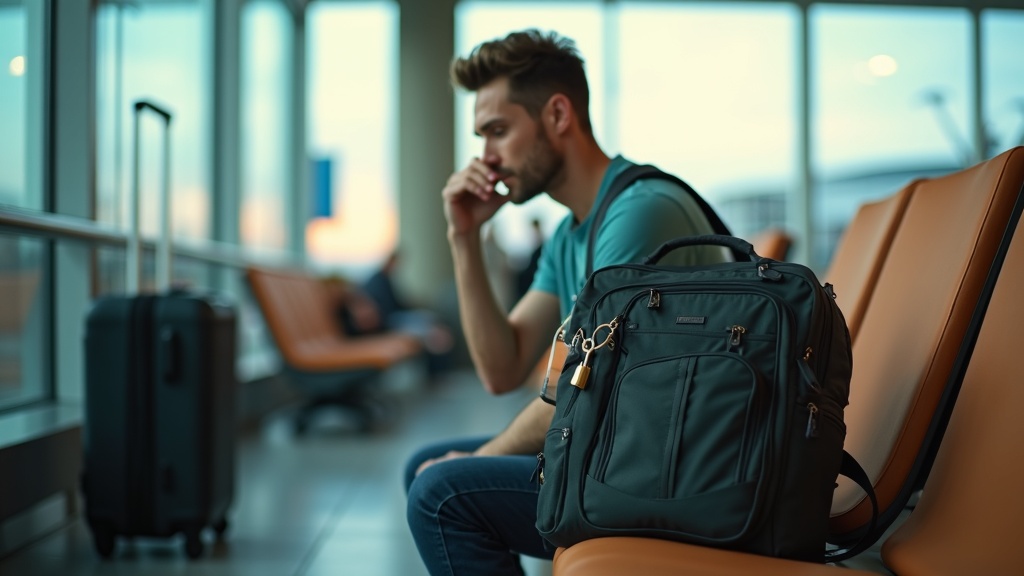
The basic idea is simple. Most backpack zippers have two pulls that slide around the compartment. When you close a pocket fully, these pulls meet somewhere, usually at the top or side. To lock them, bring both pulls together so they’re touching, then thread your lock through the small holes in both zipper pulls. That’s it.
The lock prevents anyone from pulling those zippers apart without removing it first. A thief would need to either unlock it, cut the lock, or damage your bag to get inside. Most opportunistic thieves won’t bother with any of those options when there are easier targets nearby.
But here’s the catch. Some backpacks have zipper pulls without holes, or the holes are too small for most locks. If that’s your situation, you have a couple of workarounds. You can use a very thin cable lock that threads through smaller openings, or you can attach small metal zipper clips to your existing pulls. These clips have larger holes that accept standard locks.
You don’t need to lock every single pocket on your bag. Focus on your main compartment where you keep valuables like your laptop, passport, or wallet. If your backpack has a large front pocket where you store things worth protecting, lock that too. Smaller pockets for water bottles or snacks can usually stay unlocked since they’re less tempting to thieves.
The whole process takes about ten seconds once you get the hang of it. Don’t overthink it or try to create elaborate locking systems. Keep it simple and you’ll actually use it.
Common mistakes that make locks annoying or ineffective
The biggest reason people give up on backpack locks isn’t theft. It’s forgetting the combination at an airport security line while everyone behind them sighs loudly. This happens constantly, and it’s completely avoidable.
Before your trip, test your lock at home. Open it five times in a row. If you’re using a combination lock, take a photo of the code and save it somewhere secure like a password manager or a notes app that syncs to the cloud. Don’t write the code directly on the lock itself, but do make sure you can access it if your brain goes blank.
Another common problem is buying a lock that’s comically oversized. Those heavy padlocks might look serious, but they add weight and clunk around annoyingly. A small TSA-approved combination lock does the job without turning your backpack into a jangling mess.
People also tend to lock every single zipper, which sounds thorough but creates chaos. You’ll waste time unlocking three compartments just to grab a snack. Pick one main compartment where you keep valuables and lock only that. Make it a habit so you’re not fumbling around wondering which pocket has your passport.
Watch out for trapping fabric in the zipper when you lock it. This happens when you’re rushing and can damage both the zipper and your bag. Take an extra second to make sure everything’s clear before clicking the lock shut.
If you’re using a keyed lock, attach the key to something you always carry, like your main keychain or a lanyard inside your day bag. Loose keys disappear into the void of travel. Don’t carry five different keys for five different locks. One good lock with one key is plenty.