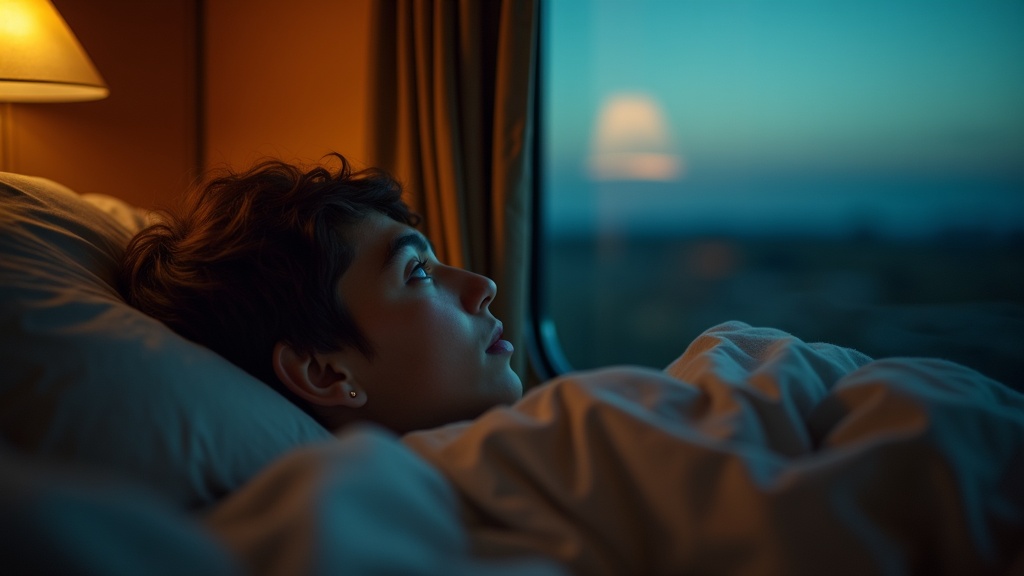
Sleeping on overnight trains is its own strange art. It’s not quite like dozing off on a plane, where you’re strapped in and mostly still. And it’s definitely not like a hotel, where you can control the temperature, block out the light, and expect a certain baseline of quiet.
Trains move differently. They sway, they click over rails, they brake suddenly when you least expect it. The person in the bunk above you might shift their weight at two in the morning. Someone down the hall might be having a loud phone conversation in a language you don’t understand. The door to your compartment might not latch properly, or the curtain might let in a stripe of hallway light that lands directly across your face.
If you’ve never done it before, the idea of sleeping on a moving train can feel a little intimidating. Even if you have done it, you might have memories of a restless night spent staring at the ceiling, wondering why you didn’t just book a flight.
But here’s the good news: most of the discomfort that comes with train sleep isn’t random bad luck. It’s predictable. And because it’s predictable, you can prepare for it. You don’t need expensive gear or a complicated strategy. You just need to know what the real problems are and have a few small, practical tools ready to deal with them.
This guide walks you through the specific challenges of sleeping on overnight trains and shows you exactly what works to fix them.
Your seat or bunk choice can make or break your sleep
Where you sleep on a train matters just as much as what you bring with you. Some spots are naturally quieter and steadier, while others guarantee interruptions all night long.
Stay away from doors, bathrooms, and the areas between train cars if you can. These spots see constant foot traffic, and doors slam every few minutes as people move around. The vestibule, that connecting space between cars, is especially loud because it’s where smokers gather and where the metal plates clang with every bit of movement.
The wheels and bogies, the mechanical bits underneath the train, create more vibration in certain sections. Seats or bunks directly over these areas shake and rumble more than spots in the middle of the car. If you’re sensitive to movement, aim for the center of any car rather than the ends.
Upper bunks stay quieter because fewer people bump into them or lean over you. But climbing up and down in the dark isn’t fun, and you’ll feel more motion up high. Lower bunks are easier to access and feel more stable, though you might get jostled by passersby.
Window seats mean one less person climbing past you, but aisle seats let you get up without waking anyone. Pick based on whether you value privacy or freedom of movement more.
If you’re stuck with a bad spot after boarding, ask the conductor right away if you can switch. Some trains have quieter cars designated for sleeping, usually away from the dining car or bar. Even moving a few rows can make a real difference. Don’t assume you’re locked into your assigned place until you’ve asked.
Block train noise without making it uncomfortable
Night trains are loud in ways you don’t expect. It’s not just the steady rhythm of wheels on rails. It’s the sudden slam of a cabin door at 2 a.m., the garbled announcement in three languages, someone’s snoring two bunks over, and the metallic clang when the train couples to another car.
The best defense is something soft in your ears. Foam earplugs are the most common option. They’re cheap, disposable, and can block a lot of sound if you insert them properly. Roll them into a thin cylinder, pull your ear up and back, then push the plug in and hold it while it expands. If you can still hear your own voice clearly when you hum, they’re not sealing. Look for plugs with a high NRR rating, which just means noise reduction rating. Anything above 30 will handle most train sounds.
Foam can feel too intrusive for some people, especially side sleepers. Silicone earplugs sit in the outer ear instead of deep in the canal. They’re gentler and stay put better when you shift positions, but they don’t block quite as much noise. Wax plugs mold to your ear shape and feel almost invisible, though they can get messy after a few uses.
If you want to hear something instead of nothing, sleep headphones are worth considering. These are thin, flat earbuds or fabric headbands with built-in speakers. Pair them with white noise or a rain sounds app on your phone, and they’ll mask the unpredictable bangs and voices without the sealed-in pressure of earplugs. Just keep the volume low enough that you’re not damaging your hearing or completely missing your stop.
Motion is easier to tolerate when your body is supported
Trains move differently than beds. There’s side-to-side sway, sudden jolts when the train changes tracks, and gentle vibration that never quite stops. Your body tries to stay balanced while you sleep, which means your muscles never fully relax. That’s what causes the micro-waking and restless feeling people describe after a night on rails.
The fix is to give your body something to lean against so it doesn’t have to work so hard. Start with your neck. A good travel pillow keeps your head from rolling with every curve. The U-shaped neck pillows work well if you’re sitting upright, but they’re useless if you’re lying down. In that case, a small rectangular pillow wedged between your head and the wall does more.
Your lower back also needs support. Train seats and bunks often have an awkward gap that leaves your spine unsupported. A small lumbar cushion or even a rolled-up jacket tucked behind you makes a big difference. It stops you from sliding forward every time the train brakes.
You can also create gentle bracing with what you already have. Tuck a blanket or daypack along your side so you’re not shifting around. You’re not trying to lock yourself in place, just reducing how much your body has to correct itself.
If you’re prone to motion sickness, keep ginger chews or acupressure bands handy. They’re small, easy to pack, and help take the edge off queasiness without making you drowsy. You won’t eliminate the motion completely, but you can stop fighting it all night.
Light and temperature swings are predictable, so plan for them
Train cabins have a way of going from pitch black to blinding in seconds. Someone flicks on the corridor light at two in the morning. A reading light above you stays on all night. Then sunrise hits your window at five, and suddenly you’re wide awake whether you like it or not.
A good eye mask solves most of this, but not all eye masks are worth bringing. The flat fabric ones press on your eyelids and slide off by midnight. Look for a contoured mask that cups around your eyes without touching them. It blocks light better and stays put when you shift around. Keep it in your jacket pocket or clipped to your bag so you can grab it the moment you board.
If you forget your mask or don’t love wearing one, a hoodie or a large scarf can work as backup. Drape it loosely over your eyes or pull the hood low. You can also angle yourself away from the brightest light sources, like the corridor door or window, though your seating options might be limited.
Temperature is just as disruptive. Trains blast the air conditioning until you’re freezing, then crank the heat until you’re sweating through your shirt. Drafts sneak in near windows and doors, and there’s rarely a thermostat you can control.
The fix is layering, but keep it simple. Wear a breathable base layer that won’t trap sweat. Bring warm socks since your feet will get cold first. A packable travel blanket or silk sleep liner adds warmth without bulk, and a lightweight scarf works as a neck warmer, extra pillow, or light cover depending on what you need. Pack all of this in the top of your bag or in a seat pocket so you’re not digging through luggage in the dark.
A simple pre-sleep routine works even when the cabin isn’t ideal
Your brain loves patterns, and a simple routine helps signal that sleep is coming even when you’re in a cramped train cabin. The trick is keeping it short and doable without much space.
Start about thirty minutes before you want to sleep. Head to the bathroom early, before the late-night rush when everyone queues up at once. Brush your teeth, wash your face, or use facial wipes if the sink situation looks grim. If you wear contacts, now’s the time to switch to glasses. Fumbling with lens cases in the dark while the train rocks is nobody’s idea of fun.
Back at your seat or bunk, drink a few sips of water but don’t overdo it. You want enough to feel comfortable, not so much that you’ll need the bathroom again in an hour. A small snack helps too if you’re the type who wakes up hungry. Something simple like a granola bar or crackers does the job without making you feel stuffed.
Some travelers swear by magnesium or melatonin to help them relax in unfamiliar places. These are common travel sleep aids, but they’re not magic and they don’t work the same for everyone. If you’re curious, try them at home first so you know how your body responds. Never start experimenting on the train itself.
If supplements aren’t your thing, a few minutes of slow breathing works surprisingly well. Breathe in for four counts, hold for four, out for four. Repeat until you feel calmer. A short meditation or sleep story downloaded to your phone can help too. Pick something under ten minutes so you’re not still listening when you should be drifting off.
You can sleep deeply and still wake up at the right time
One of the biggest reasons people can’t fall asleep on trains is the nagging worry that they’ll miss their stop. That anxiety keeps you half-awake all night, which defeats the entire purpose of booking a sleeper. The good news is that with a few simple safeguards, you can let yourself sleep properly without any real risk of oversleeping.
Set multiple alarms, not just one. Use your phone and your watch if you have one. Make sure at least one alarm uses vibration, especially if you’re wearing earplugs. A vibrating watch alarm is ideal because it wakes you up without disturbing anyone else in your compartment, and you won’t miss it even with foam earplugs blocking every other sound.
Set your first alarm earlier than you think you need it. If your train arrives at seven in the morning, set an alarm for six or even five-thirty. Trains sometimes arrive early, and you want a buffer. You can always doze for another twenty minutes if you wake up with time to spare, but you can’t undo sleeping through your stop.
Put your phone somewhere stable where you can reach it easily, like tucked into a pocket on the wall or wedged next to your pillow. You don’t want to be fumbling in the dark and dropping it on the floor while the train rocks back and forth.
If you’re worried about your sense of time, keep track of how long the journey should take. Most routes take roughly the same amount of time even if your signal drops. On longer trips, you can also politely ask the conductor when they come by to check tickets, though this isn’t always reliable depending on how busy they are. The key is having backups so no single thing has to work perfectly.
If you can’t sleep, make rest the goal instead
Sometimes sleep just won’t come on a train, and that’s actually pretty normal. The movement, the stops, the occasional loud passenger—these things can keep you in a lighter state even when you’re tired. Fighting it usually makes things worse.
If you’ve been lying there for a while without drifting off, shift your goal from sleeping to resting. Put on your eye mask and just let your eyes close. You don’t need to fall asleep for your body to get something useful out of staying still in the dark. Even quiet rest helps more than you’d think.
A calm audiobook or podcast at low volume can give your mind something gentle to follow instead of fixating on every sound around you. Pick something interesting enough to listen to but not so gripping that it keeps you alert. Nature sounds or quiet music work too.
If you’re uncomfortable, make small adjustments without fully resetting. Pull your sweater tighter, bunch up your jacket differently behind your neck, or shift which way you’re leaning. Sometimes a tiny change is enough to buy another hour of rest.
You can also do subtle stretches right in your seat—rolling your shoulders, flexing your feet, gently turning your neck. It releases some of the stiffness without waking you up completely.
When morning comes, don’t expect to feel amazing. Plan for a short nap if your schedule allows it, get outside into daylight as soon as you can, and move around a bit. You’ll feel more human faster than you think. You didn’t get perfect sleep, but you got through the night, and that’s enough.