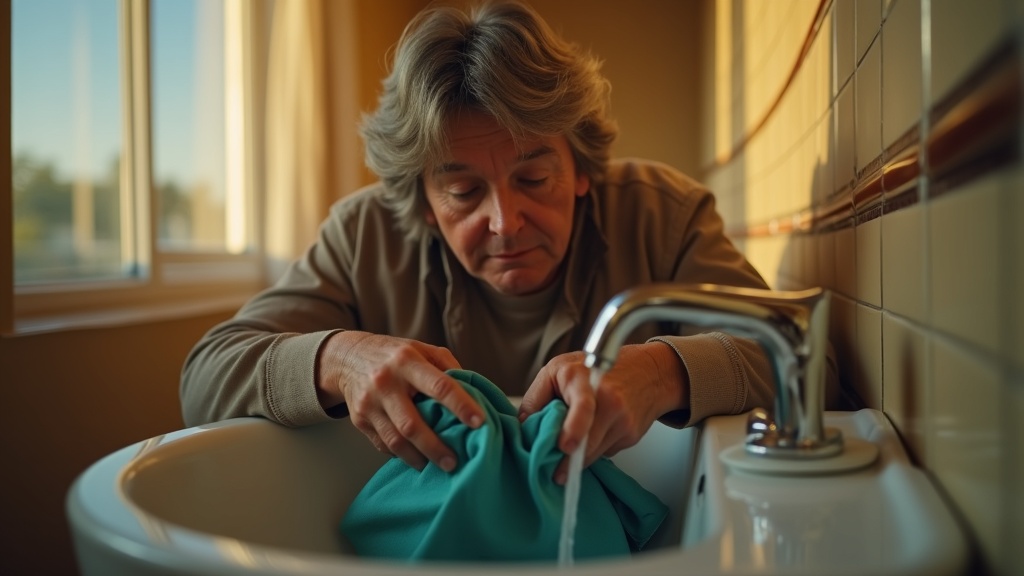
You’re halfway through an amazing trip when you realize you’re down to your last clean shirt. Hotel laundry services want twenty dollars to wash a single pair of socks. The nearest laundromat is a thirty-minute walk away. Sound familiar?
Learning to wash a few essentials in your hotel sink can be a game changer for how you travel. It means you can pack lighter, save money, and never worry about running out of clean underwear in the middle of a two-week adventure.
Washing clothes in a hotel sink isn’t complicated, but there are a few tricks that make the difference between damp clothes that smell faintly of shampoo and genuinely clean items that dry overnight. The right technique takes maybe ten minutes of actual work, and it’s surprisingly satisfying once you get the hang of it.
This isn’t about doing your entire wardrobe in a tiny bathroom. It’s about handling the basics so you can travel with a carry-on instead of checking a massive suitcase. Think underwear, socks, a couple of shirts, and maybe workout clothes. The items you go through quickly and need most often.
Whether you’re backpacking through Europe, on a business trip, or just trying to avoid baggage fees, knowing how to do a quick sink wash gives you more freedom. You’ll spend less time planning outfits and more time actually enjoying your trip.
Pick the right items to wash in a sink
Not all clothes are created equal when it comes to hotel sink washing. The secret is picking items that clean easily, rinse quickly, and dry fast enough that you’re not stuck with damp clothes in your suitcase the next morning.
Your best bets are underwear, socks, t-shirts, workout clothes, and lightweight base layers. These items tend to be thin, made of fabrics that release dirt easily, and dry overnight when hung properly. Athletic wear is especially forgiving because it’s designed to handle moisture and sweat.
On the flip side, skip heavy denim, thick hoodies, sweaters, structured button-downs, and anything with padding or lining. These take forever to dry and often need more aggressive washing than your hands can provide. A wet pair of jeans can stay damp for days in a hotel room, which isn’t just inconvenient but can leave you with mildew smells.
Here’s a simple test before you commit to washing something: squeeze the fabric and ask yourself three questions. First, is it actually dirty or just a little worn? If it’s not sweaty or stained, you might get another wear out of it. Second, will it dry by tomorrow? Hold it up and check the thickness. Third, can you wring it out without damaging it? Delicate fabrics with embellishments or structure don’t do well with hand washing.
When in doubt, stick to the basics. The items you packed specifically because they’re lightweight and quick-drying are usually the same ones that wash best in a sink. Save the heavy-duty stuff for a real laundromat or your washing machine at home.
Use a minimal setup you can find or pack easily
You don’t need much to wash clothes in a hotel sink. A travel-size bottle of liquid detergent is ideal, but a tiny amount of regular hand soap works perfectly fine in a pinch. If you’re packing ahead, toss in a universal sink stopper. Those rubber or silicone ones are cheap, flat, and weigh almost nothing.
No stopper? No problem. A wet washcloth pressed firmly into the drain usually does the trick. You can also use a small plastic bag turned inside out and pushed into the hole. It won’t be perfect, but it’ll hold enough water to get the job done.
Some travelers swear by using a plastic grocery bag or a waterproof dry bag as a makeshift wash basin. You fill it with water and detergent, add your clothes, seal it up, and squish everything around. This works surprisingly well and saves you from dealing with questionable sink cleanliness.
A small towel is the other thing worth packing. You’ll use it to roll up wet clothes and press out excess water. Hotel towels work too, but having your own quick-dry travel towel means you’re not soaking their nice white linens with dye from your jeans.
If you’re caught completely empty-handed, plain water and a very small dab of whatever gentle soap is around will still freshen up most clothes. The key word is small. Too much soap in a sink means endless rinsing, and you’ll waste time trying to get suds out of your shirt. A little goes a long way when you’re washing by hand.
Set up the sink so you do not make a mess
Before you start washing, take a minute to get the sink ready. Hotel sinks see a lot of action, so give the basin a quick rinse with hot water. If you spot any toothpaste, soap residue, or hair, wipe it away with a tissue or washcloth. You want a clean surface for your clothes.
Next, test the drain. Fill the sink with a little water and watch how fast it drains when you pull the plug. If it drains slowly, you might end up with a mini flood when you are rinsing. A slow drain also means the sink could overflow if you get distracted. If the drain seems sluggish, just be extra careful not to overfill.
Now plug the drain securely. Most hotel sinks have a built-in stopper you push down or twist. Make sure it actually seals. A leaky stopper means your soapy water will slowly disappear, and you will waste time refilling.
Clear the area around the sink. Move your jewelry, razors, contact lenses, and anything small or valuable to a safe spot. It is surprisingly easy to knock something into soapy water or accidentally send it down the drain.
Before you toss everything in together, separate your darks from your lights. Dark colors can bleed dye onto lighter fabrics, especially when you are hand washing in warm water. Keep blacks, navies, and reds in one group, and whites or pastels in another.
If you have time, check the care labels on your clothes for water temperature guidance. Most travel clothes handle lukewarm water just fine, but delicate fabrics might prefer cold. When in doubt, go cooler rather than hotter.
Wash with a simple wash–swish–soak routine
Start by plugging the sink and filling it about halfway with lukewarm water. Not hot, not cold. Lukewarm feels comfortable when you dip your hand in, like a warm shower that’s cooled down a bit. Hot water can set stains and shrink delicate fabrics, while cold water doesn’t activate most detergents properly.
Add just a tiny amount of detergent and swirl it around until it dissolves completely. Think a quarter-sized squirt of liquid soap or a small pinch of powder. Too much soap makes rinsing a nightmare later, and hotel sinks don’t drain as fast as you’d hope.
Drop your clothes into the soapy water and push them down so they’re fully submerged. Now comes the gentle part. Use your hands to swish everything around for about thirty seconds, then focus on the spots that actually get dirty. Rub collar edges between your fingers. Press and squeeze underarm areas. Work the heels and toes of socks against themselves.
The key word here is gentle. You’re massaging the fabric, not wringing out a wet towel. Don’t twist, pull, or stretch anything. Most travel clothes are made from synthetic blends that clean easily but lose their shape if you manhandle them.
Once you’ve given the dirty spots some attention, let everything soak for ten to fifteen minutes. That’s about as long as it takes to check your phone or pack tomorrow’s day bag. The detergent needs a little time to break down oils and odors, but you don’t need to leave things sitting for an hour. A short soak gets the job done without wasting your evening.
Rinse well so clothes dry soft and not sticky
The biggest mistake people make when washing clothes in a hotel sink is not rinsing enough. If you leave soap in the fabric, your clothes will dry stiff and uncomfortable. They’ll also take much longer to dry because detergent holds onto moisture.
You have two simple ways to rinse. The first is to refill the sink with clean water, swish your clothes around, then drain and repeat. Do this at least three or four times. The second approach is to hold each item under running water, working the fabric with your hands so fresh water flows through all the fibers.
How do you know when you’re done? Run your fingers over the wet fabric. If it feels slippery or slick, there’s still soap left. Keep rinsing until the fabric feels clean and smooth without that soapy texture. You also shouldn’t see any suds when you squeeze the item.
Here’s a tip that saves time: use less detergent from the start. A tiny amount goes a long way in a sink. The less soap you use, the fewer rinses you’ll need. Think a dime-sized drop for a shirt, not a handful.
If you’re washing multiple small items like socks or underwear, rinse them one by one under running water. It’s faster than doing them all together because you can really work the water through each piece. Larger items like shirts do better with the sink refill method since they need more water to flush out the soap completely.
Get water out without stretching or damaging fabric
After rinsing your clothes, you need to get the water out. But wringing them like a wet towel can stretch and warp the fabric. The twisting motion pulls fibers in different directions, which is especially rough on knits, delicate synthetics, and anything with elastic like bras or underwear.
Instead of wringing, try pressing the water out. Hold the garment in both hands and gently squeeze, moving from section to section. You’re pushing water out, not twisting it. This works well for most items and keeps them in their original shape.
For sturdier fabrics like cotton t-shirts or jeans, you can get away with a light squeeze and twist. Just don’t go overboard. One or two gentle twists is fine. But skip the wringing entirely for anything stretchy, loosely knit, or delicate.
The fastest way to remove moisture without damage is the towel-roll method. Lay a dry towel flat on the bed or counter. Place your wet garment on top and smooth it out. Then roll the whole thing up like a sleeping bag, towel and clothing together. Press down on the roll as you go, or even step on it gently. The towel absorbs a surprising amount of water.
Unroll everything after a minute or two. Your clothing will still be damp, but not dripping. This cuts drying time significantly and doesn’t put any stress on the fabric. You can use the same towel for a few items before it gets too wet to be useful.
Dry clothes fast in a typical hotel room
The secret to getting clothes dry overnight isn’t heat. It’s airflow. A breezy spot will dry your shirt faster than a warm, still corner every time. Air moving across wet fabric pulls moisture away much more efficiently than warmth alone.
Start by spreading things out as much as possible. Don’t bunch multiple items on one hanger or let fabric overlap. Each piece needs its own space to breathe. Hang shirts and dresses on the shower rod or door hangers. Drape socks and underwear over chair backs or the edge of an open drawer. If you have a travel clothesline, string it near a window or between furniture legs.
Position everything near the air conditioner or heating vent if you can. Even if the temperature isn’t extreme, that steady flow of air makes a real difference. Opening a window helps too, as long as the outside air isn’t more humid than inside. Some travelers set the bathroom fan running overnight for smaller items hung near the door.
Flip and rotate your clothes every few hours if you’re around. The parts touching the hanger or rod will stay damp longest, so giving them a turn speeds things up. If something has thick seams or doubled fabric like waistbands and collars, position those parts where airflow is strongest.
When you’re dealing with high humidity or a chilly room, drying takes longer no matter what you do. In that case, focus on getting underwear and socks completely dry since they’re against your skin. Heavier items like jeans might need an extra day, so plan your wash schedule around that if you’re staying multiple nights.
Avoid odors and keep the routine easy to repeat
The biggest mistake people make with hotel sink laundry is washing too much at once and then leaving it in a damp pile. That’s how you end up with clothes that smell worse than when you started. The fix is simple: wash smaller amounts more often. Think two shirts and a pair of socks instead of your entire week’s worth of underwear.
Never let wet clothes sit bunched together. Even an hour or two is enough for that musty mildew smell to take hold, especially in a humid bathroom. Spread everything out to dry as soon as you finish rinsing. Use multiple towel bars, the shower rod, or even the back of a chair.
Make absolutely sure your clothes are bone dry before you pack them away. If something still feels even slightly damp, give it another few hours. Packing damp fabric into your suitcase is a guaranteed way to make everything smell funky.
Sweaty shoes and workout gear need their own space to air out. Don’t toss them in the same area as your drying shirts. Prop shoes open near a window or air vent if you can.
If something does pick up an odor, give it an extra rinse in fresh water and let it dry much longer than you think it needs. Sometimes just moving it to a less humid spot helps.
For storing detergent without leaks, use a small plastic bottle with a screw-top lid or put powder in a sealed plastic bag. Keep it separate from your clothes in a side pocket. A little bit goes a long way, so you don’t need to bring much.