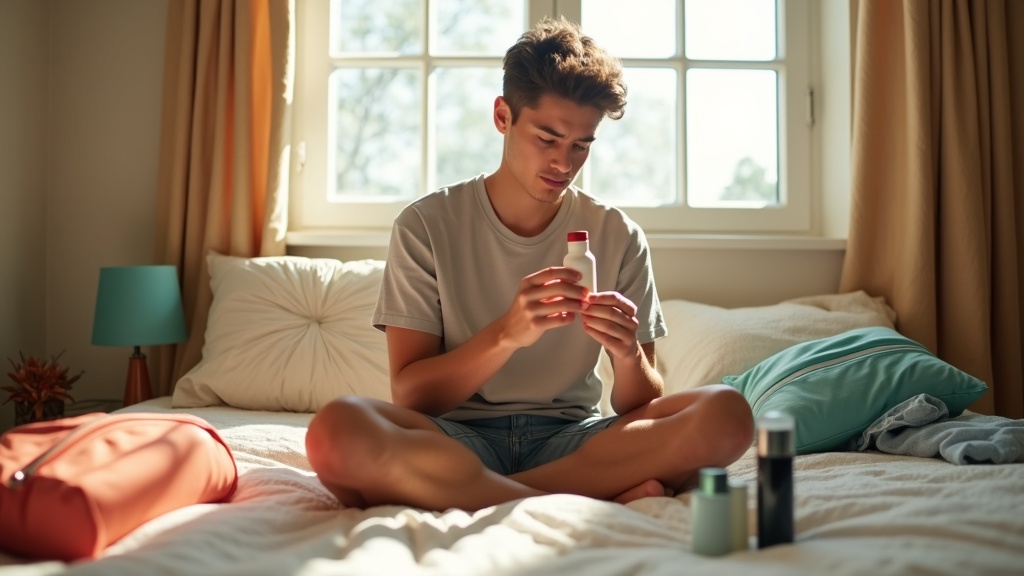
You’ve been there. You unzip your suitcase at the hotel and find shampoo coating everything. Or you pull out your makeup bag and discover foundation has oozed into every corner. Maybe it happened on a plane, maybe in your gym bag, but either way, it’s annoying and surprisingly hard to prevent.
The frustrating part is that the bottles weren’t even full. They were properly closed. You checked them before packing. And yet somehow, pressure changes or jostling turned your carefully packed bag into a sticky mess.
Here’s the good news: you don’t need to buy a bunch of fancy travel bottles to fix this problem. While those can help, the real solution is understanding why leaks happen and using a few simple tricks that work with whatever containers you already own.
Most toiletry leaks aren’t about faulty bottles. They’re about air pressure, loose caps, and the way liquids behave when they’re knocked around. Once you know what’s actually going on, you can prevent leaks with things you probably have lying around your house right now.
This guide will walk you through practical fixes that actually work. No expensive gear required. No complicated packing systems. Just straightforward solutions you can use whether you’re flying across the ocean or tossing your gym bag in the car.
Set up each container so it’s less likely to leak
The way you close a bottle matters more than you’d think. Most leaks happen because of small setup mistakes, not faulty containers. A few simple habits before you pack can make a huge difference.
Start by never filling bottles all the way to the top. Leave about a quarter inch of air space below the rim. This gives the liquid room to expand if the air pressure changes, which happens on planes or even in hot cars. When liquids have nowhere to go, they push past the seal and leak.
Before you screw on the cap, wipe the threads and the rim of the bottle with a tissue or towel. Even a tiny bit of lotion or shampoo left on the threads can prevent the cap from sealing properly. Think of it like trying to glue two greasy surfaces together—it just won’t hold.
When you tighten the cap, make sure it’s going on straight. Cross-threading happens when the cap catches at the wrong angle, and it creates gaps even when the cap feels tight. Turn it gently at first until you feel it catch smoothly, then tighten firmly. You don’t need to crank it down like you’re opening a pickle jar, just snug.
Here’s an old traveler’s trick: put a small square of plastic wrap over the bottle opening before screwing the cap back on. The plastic creates an extra barrier between the liquid and the outside world. For short trips, you can also wrap a piece of tape around the seam where the cap meets the bottle. It adds security and shows you immediately if something has come loose.
Finally, take a second to inspect your bottles. Cracked caps or warped plastic won’t seal right no matter what you do. And if you’re using squeeze bottles or pumps, choose ones with flip caps or locks that can’t accidentally open when something presses against them in your bag.
Match the container to what you’re packing
Not all liquids are created equal, and the wrong container can turn even a short trip into a messy disaster. Thin, watery products like toner or micellar water are escape artists. They slip through the tiniest gaps and seem to find every possible way out of a bottle. Thicker stuff like shampoo, conditioner, or lotion? They’re generally more cooperative.
For those runny liquids, you want containers with screw-top lids that seal tightly all the way around. Check that the threads on the bottle and cap actually grip each other completely. Even a slightly loose cap can let watery products seep out under pressure. Squeeze tubes work well for medium-thick products like face wash or sunscreen, but they’re terrible for anything thin because squeezing creates pressure that forces liquid past the seal.
Pumps are great at home but tricky for travel. The pump head can get pressed down in your bag, and suddenly you’ve got a slow leak or a full-on product explosion. If you’re using a pump bottle, either remove the pump entirely and cover the opening, or lock it if it has that feature.
Wide-mouth jars are convenient for thick creams, but they have a hidden problem. Product gets smeared into the threads when you open and close them, and that gunk prevents a clean seal. Wipe the threads clean before closing, or skip jars altogether for travel.
One trick that works surprisingly well: solid alternatives. Bar shampoo, solid cleansers, and cream-to-powder products eliminate the leak problem entirely. They’re not for everyone or every product type, but when they work for you, they’re foolproof.
Use a backup barrier so one leak can’t ruin your bag
Even the best-sealed bottle can fail. That’s why smart packers treat every liquid container like it might leak, and plan accordingly.
The simplest defense is a sturdy zip-top bag. Put each bottle inside its own bag if you’re worried, or group all your liquids together in one larger bag. The thicker freezer bags work better than the flimsy sandwich ones. You want something that won’t tear when your luggage gets tossed around.
A small toiletry pouch dedicated just to liquids gives you another layer of protection. If something leaks inside the pouch, at least it’s not soaking your clothes or dripping into your electronics. Choose something with a wipeable inside so cleanup is easy.
Positioning matters too. Keep bottles upright whenever possible so gravity works with you instead of against you. Don’t let heavy items sit on top of your bottles and squeeze them. If you’re packing a suitcase, tuck your liquid pouch near the top where it won’t get crushed.
Keep liquids away from anything that absolutely can’t get wet. Electronics, important documents, and nice clothing should go in a different part of your bag entirely. Think of it as creating zones: liquids in one area, vulnerable items somewhere else.
One trick that adds almost no weight is wrapping a small microfiber cloth around your liquids pouch. If something does leak, the cloth soaks it up before it spreads. You were probably packing a cloth anyway for showers or quick cleanups, so it’s doing double duty.
None of this is about being paranoid. It’s just accepting that leaks happen sometimes, and a few simple barriers mean one unlucky spill won’t wreck your whole trip.
Common packing mistakes that cause leaks
Even brand-new bottles with tight caps can leak if they’re packed badly. The problem usually isn’t the container itself. It’s what happens to that container when it’s crammed into a bag with everything else.
Overstuffed bags create constant pressure on bottles from all sides. A toiletry bag wedged into a corner of your luggage might look fine, but inside, your shampoo bottle is getting squeezed between a hard suitcase wall and your hairbrush. That steady pressure can force liquid past even a secure cap, especially during a bumpy car ride or turbulent flight.
Pump bottles are particularly vulnerable to hard edges. If the nozzle gets pressed against something rigid like a laptop, cosmetics case, or the metal frame of your bag, the pump mechanism can get pushed down slowly over time. You end up with a puddle even though you never actually pumped anything out.
Flip caps cause problems too. When they’re tucked tightly next to other items, the friction can gradually work the cap open. You pack it closed, but hours of rubbing against fabric or other bottles can flip it partway up without you realizing.
Then there’s the loosening effect. Caps that feel snug when you pack them can slowly unscrew from vibration and movement. It’s subtle, but a quarter turn is often enough to break the seal.
The fix is surprisingly simple. Give your liquid containers a bit of breathing room. Don’t pack them against hard corners or rigid objects. If your toiletry bag feels stuffed to bursting, it probably is. A little extra space prevents most pressure-related leaks without requiring any special packing skills.