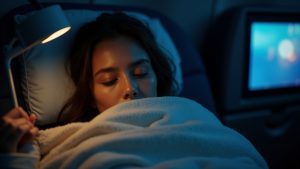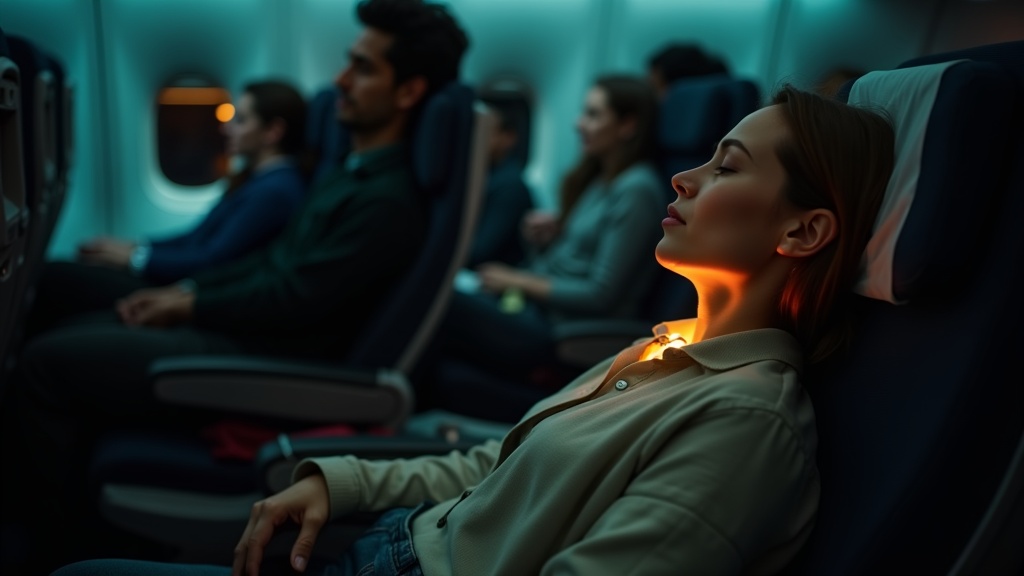
If you’ve ever tried to sleep on a plane, you know the frustration. You close your eyes, settle into your seat, and then it hits you. The engine hum that rattles through your skull. The sudden crying baby three rows back. The flight attendant dragging a cart down the aisle at what feels like two in the morning.
Most people reach for basic foam earplugs and call it a day. And sure, those help a little. But if you’re a light sleeper, you already know they’re not enough. You can still hear everything, just slightly muffled. It’s like trying to sleep next to a construction site with a pillow over your head.
Here’s what many travelers don’t realize: airplane noise isn’t just one problem. It’s actually several different kinds of sound happening at once. There’s the low, constant drone of the engines. The sharp, sudden noises from passengers and crew. Even the rattling and vibration that travels through your seat and headrest.
That’s why a single solution rarely works. Your ears might be covered, but sound still reaches you through bone conduction when your head touches the window. Or your earplugs block the engine noise perfectly, but that crying baby still cuts right through.
The good news? Once you understand what’s actually keeping you awake, you can tackle each problem with the right tool. Sometimes it’s about combining two or three accessories that work together. Sometimes it’s choosing one really effective option instead of a mediocre one. Either way, better sleep on flights is absolutely possible, even if you’ve struggled for years.
Most plane noise is the kind earplugs don’t fully solve
If you’ve tried earplugs on a flight and still couldn’t sleep, you’re not doing anything wrong. The problem is that planes throw three very different types of noise at you, and standard earplugs only handle one of them well.
The constant engine rumble and air rushing past the fuselage creates a deep, low hum that vibrates through everything. This low-frequency sound is stubborn. Earplugs can muffle it a bit, but they rarely block it out completely because these sound waves are big and powerful enough to reach your ears through your skull and body, not just through the air.
Then there’s the mid-range clatter. Drink carts banging down the aisle, overhead bins snapping shut, tray tables dropping. Earplugs do a decent job with these sounds because they’re higher-pitched and easier to absorb.
The real sleep killers are the sudden, sharp noises. A passenger’s loud laugh. The pilot’s announcement crackling over the speaker. A crying baby three rows back. These sounds spike above the background hum, and while earplugs lower their volume, they don’t erase them. Your brain still registers them as distinct events, which is exactly what pulls you out of light sleep.
Light sleepers are especially vulnerable to this mix. You might drift off despite the rumble, only to jolt awake when someone slams a bin. Or the constant low drone might keep you from relaxing in the first place. Either way, turning down the volume isn’t enough. You need tools designed for the specific ways plane noise disrupts sleep.
Sleep headphones with active noise canceling can beat earplugs for rumble
If the low hum of jet engines is what keeps you awake, sleep headphones with active noise canceling might work better than anything you shove in your ears. They’re designed differently than regular headphones. Most use a thin, soft headband with flat speakers inside, or ultra-low-profile earbuds that won’t dig into your ear when you lean against a window or headrest.
Active noise canceling, or ANC, works by creating sound waves that cancel out steady background noise. It’s especially good at dealing with the constant rumble and cabin hiss on planes. The technology doesn’t block sudden sounds like crying babies or announcement chimes very well, but it handles that droning engine noise better than foam earplugs ever could.
Here’s the part people often miss: you don’t need to play music or podcasts through them. Many travelers get better results by turning on the ANC and leaving it silent, or adding very quiet brown noise or white noise in the background. This creates a calm, muffled environment without the distraction of lyrics or melodies.
The difference from regular headphones is huge. Cranking up music to drown out noise just exhausts your ears and keeps your brain alert. ANC actually reduces the noise itself, so your surroundings feel quieter and calmer. Your mind has less to fight against.
These won’t guarantee you’ll fall asleep, and they won’t block everything. But if engine rumble is your main problem, sleep headphones with ANC give you a real advantage over basic earplugs. They’re especially worth trying if you’ve already experimented with foam or silicone options and still can’t tune out that constant low roar.
Layering small tools can be more comfortable than one extreme solution
If you’ve ever tried industrial-strength earplugs that wedge deep into your ear canal, you know how uncomfortable they can feel after an hour. Same goes for heavy noise-canceling headphones that press hard against your head. The pressure itself can keep you awake, which defeats the whole purpose.
Here’s a gentler approach: combine two lighter tools instead of relying on one aggressive solution. Think of it like layering a light blanket and a sheet instead of sleeping under a heavy comforter. You get the coverage you need without the weight.
One popular combination is soft, shallow earplugs paired with padded over-ear earmuffs. The earplugs don’t need to seal deeply because the earmuffs add an extra layer of sound dampening. Together they block plenty of noise without that jammed-in feeling. The earmuffs also keep the plugs in place if you shift around in your seat.
Another option is to skip music entirely and use headband-style sleep headphones with very low white noise or nothing at all. The fabric headband blocks some sound on its own, and adding shallow earplugs underneath gives you solid protection without bulk. This works especially well if you sleep on your side, since there’s no hard plastic pressing into your head.
Some people find that earmuffs alone do the job for shorter flights. They’re easy to slip on and off, and you don’t have to fuss with anything going inside your ears. They won’t block as much noise as a layered setup, but they’re often enough to take the edge off engine hum during a quick nap.
The key is reducing what each piece has to do. When no single tool has to work overtime, everything stays more comfortable.
A good eye mask helps with noise too, indirectly
Here’s something that surprised me: a really good eye mask makes airplane noise less irritating. Not because it blocks sound, obviously, but because it stops your brain from staying half-awake and vigilant.
When light keeps flickering through a cheap mask, your brain treats every little shift as a potential signal. Someone walking past with a phone screen. The cabin lights brightening before landing. That guy across the aisle watching an action movie. Each flicker tells your brain to stay alert, and when you’re alert, every engine hum and crying baby feels ten times more intrusive.
A proper blackout mask cuts that visual noise completely. Your brain gets one clear message: it’s dark, nothing to monitor here. That makes it much easier to tune out sounds that would otherwise keep pulling your attention back.
But not all blackout masks work on planes. You need one that doesn’t press on your eyelids when you shift position against the headrest. The contoured ones with little cups over your eyes let you blink freely and don’t smudge your vision when you wake up.
The strap matters too. Thin elastic digs in during long flights and tangles in your hair when you adjust it. A wider, adjustable strap with a bit of padding stays comfortable for hours without sliding around.
And if you’re combining your mask with earplugs or sleep headphones, make sure the strap doesn’t fight with them. Some masks have their strap positioned too low and push earbuds out or create pressure points behind your ears. The best ones sit higher on your head and leave your ears completely free.
Plan for announcements and service, not just noise
The worst interruptions on a flight aren’t actually the engine hum. They’re the sudden blare of the PA system announcing turbulence or the clatter of a drink cart bumping your armrest just as you’re drifting off. These jolts are what derail sleep, not background noise.
Your best move is to time your sleep setup around the service rhythm. Don’t even try to settle in until after the first drink and snack round finishes. Flight attendants will need to wake you anyway if your tray table is down or your seat is reclined during service. Wait it out, then create your sleep cocoon when things actually quiet down.
This is where active noise cancellation earns its keep. ANC doesn’t just muffle sound, it actually reduces the startle effect of sudden noises by keeping your baseline quieter. When an announcement does break through, it feels less like an alarm bell. If you’re layering white noise or music on top, even better.
Choose ear solutions you can adjust without thinking. If an announcement comes on and you need to hear it, you don’t want to fumble with tiny foam earplugs in a dark cabin. Over-ear headphones with a quick transparency mode work well. So do earplugs designed to pull out and reinsert easily without losing their seal.
Seat location makes a difference too, though you can’t always control it. Seats near the galley or lavatories mean more foot traffic and louder conversations. Over-wing seats put you closer to engine noise but farther from service activity. Neither is perfect, but knowing what you’re dealing with helps you prepare the right level of sound blocking.
The best sleep aids for an airplane fail when they hurt after 20 minutes
You can buy the world’s best noise-blocking earplugs, but if they start hurting fifteen minutes into your flight, you’re not sleeping. The same goes for headphones that create hot spots on your ears or eye masks that slip down your face. Discomfort keeps you awake just as effectively as noise does.
The problem is that most people test these accessories while sitting upright at their desk or standing in a store. That tells you almost nothing about how they’ll feel when you’re actually trying to sleep. Pressure points that seem fine at first become genuinely painful after half an hour. Materials that feel soft initially can start itching. Elastic straps that stay put when you’re upright slip right off when you lean your head against a seat.
Before you fly with any sleep accessory, do a real comfort test at home. Wear it for at least thirty minutes, ideally a full hour. Lie on your side like you would against a plane window. Lean your head at an angle to mimic how you’ll actually position yourself in a cramped seat. If you plan to use earplugs and an eye mask together, or headphones with a mask, test them as a combination because they interact with each other.
Pay attention to specific warning signs. Do the earplugs create pressure deep in your ear canal? Does the eye mask material make your forehead itch? Do headphones create a hot spot where they press against your ear? Does anything slip when you move your head?
If something bothers you even slightly during your home test, it will absolutely bother you on a six-hour flight when you’re exhausted and desperate to sleep. Comfort isn’t a bonus feature. It’s what makes noise reduction actually useful.