You’ve probably spent hours comparing backpack features and suitcase specs. You’ve read reviews, watched videos, and maybe even measured your entire wardrobe. But here’s what most travel guides won’t tell you: the bag that looks perfect on paper might make your actual trip miserable.
The real difference between a backpack and a suitcase isn’t about how much they hold or how they look in photos. It’s about what happens when you’re dragging yourself through a train station at 6am, or climbing three flights of narrow stairs to your rental, or trying to grab your toothbrush without unpacking everything onto a tiny hotel bed.
Think about your last trip for a moment. How much time did you actually spend packing versus hauling your bag around? Most of us obsess over the first part and forget about the second. We imagine ourselves efficiently organized, when really we should be imagining ourselves sweaty and lost, looking for a hostel that turned out to be up a hill.
The truth is, your bag choice shapes every single day of your trip. It decides whether you can hop on a last-minute bus or need to find an elevator. Whether you can walk ten minutes to save money or have to grab a taxi. Whether checking out feels quick and easy or like a full morning project.
This isn’t about finding the objectively best luggage type. It’s about matching your bag to the actual, physical reality of how you’ll move through the world.
How you move through streets, stairs, and transit matters more than you think
The real difference between a backpack and a suitcase shows up in the small moments you don’t think about when planning a trip. It’s not about packing cubes or luggage weight limits. It’s about what happens when you hit a cracked sidewalk, squeeze onto a packed metro car, or face a narrow staircase with no elevator in sight.
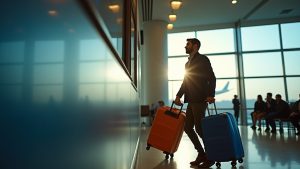
Suitcases shine on smooth surfaces. Airport terminals, hotel lobbies, train station platforms with fresh pavement. Rolling feels effortless when the ground cooperates. But the moment you encounter cobblestones, your suitcase starts rattling and veering off course. Each curb becomes a lifting moment. Stairs turn into an awkward shuffle where you’re either bumping it up step by step or hoisting it entirely.
Backpacks solve the rough terrain problem instantly. Your hands stay free. You can jog up stairs, step over obstacles, pivot through tight spaces without thinking twice. Crowded buses and metro cars become easier because you’re not wrestling a wheeled object through a forest of legs and strollers.
But that freedom has a cost. Carrying weight on your back gets tiring. After an hour of walking, your shoulders feel it. And when you’re standing still in a long queue or waiting on a platform, a backpack just sits there on you, while a suitcase rests peacefully on its wheels.
The trade-off is straightforward. If your route has polished floors and wide pathways, rolling wins. If you’re navigating uneven streets, tight corners, or unpredictable crowds, carrying wins. Most trips involve both, which is why this choice matters more than people expect.
Arrivals and lodging can make one bag feel effortless or annoying
You’ve just arrived after hours of travel. You’re tired, maybe a bit disoriented, and now you need to find your lodging. This is when your bag choice really shows its personality.
A backpack leaves your hands free to check your phone for directions, pull out a printed confirmation, or grab a snack. You can navigate crowded sidewalks and slip through narrow doorways without playing bumper cars with locals. When it starts raining, you can duck under an awning and throw on a rain cover without setting anything down on a wet street.
A suitcase needs constant attention. One hand is always occupied with that handle. Cobblestones and cracked pavement turn every block into an obstacle course. If you need both hands for anything, you’re looking for a clean spot to park it. Rain means you’re either wheeling a soaked bag into your room or trying to wipe it down in a cramped entryway.
Then comes the building itself. Modern hotels with elevators and wide hallways treat both bags about the same. But older buildings tell a different story. Narrow staircases, tight corners, and tiny elevators suddenly make a backpack feel genius. You can twist, turn, and squeeze through spaces where a suitcase needs to be lifted, tilted, and sometimes carried entirely.
Once you’re inside your room, storage matters more than you’d think. A backpack hangs on a hook or tucks into a corner. A suitcase needs floor space, which isn’t always abundant. Hostel lockers almost never fit a full-size suitcase. Under-bed storage works if the clearance is right, but you’ll know quickly if it’s not. And if your bag got wet outside, you’ll need to decide where a damp suitcase can drip dry without ruining carpet or bothering neighbors.
Your packing habits determine whether you feel organized or constantly rummaging
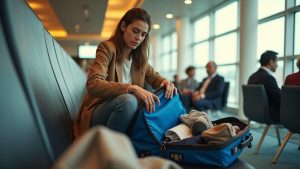
Picture this: you’re getting ready for dinner and need to grab a clean shirt. With a suitcase, you flip it open flat on the bed or floor, spot what you need, and you’re done. With a backpack, especially a top-loading one, you’re often fishing around through layers of clothes to find that one thing at the bottom.
This difference shapes your entire day. Suitcases let you see everything at once when opened, like looking into a drawer. Backpacks make you dig, especially when you packed efficiently and everything’s compressed together. That ten seconds of rummaging adds up when you’re doing it multiple times daily.
The real test comes with those items you need constantly. Your water bottle, phone charger, travel documents, a light jacket. Backpacks usually win here because most have external pockets designed for quick access. Suitcases require you to open the main compartment every single time, which feels ridiculous when you just need your headphones.
If you’re moving hotels every few days, staying organized becomes harder with either option. Your clean clothes mix with dirty ones. Your toiletry bag ends up at the bottom right when you need it. Suitcases make it easier to use packing cubes or keep things separated in flat layers. Backpacks tend to become chaos unless you’re disciplined about putting things back in the same spot.
Laptop protection is another daily concern. Suitcases let you lay it flat between soft layers. Backpacks typically have a dedicated padded sleeve that keeps it separate and safe, but accessing it means unpacking part of your bag if it shares space with your main compartment.
Tight hostel rooms or cramped train compartments reveal the biggest frustration: you need about three feet of floor space to properly open and repack a suitcase. A backpack just needs you.
Comfort is about your body, not just the bag
When you first pick up a backpack or grab a suitcase handle, everything feels fine. The real test comes three hours later when you’re still moving around.
Backpacks put all the weight on your shoulders and back. For the first fifteen minutes, that might feel liberating because your hands are free. But after an hour of walking, those straps start to dig in. Your shoulders get tired. If you’ve got a winter coat draped over one arm and a coffee in your hand, things get awkward fast.
Suitcases work differently. They roll, so you’re not carrying the full weight. But you are pulling, and that puts constant tension on your arm, wrist, and shoulder on one side. Switch hands and the other side takes over. When you hit cobblestones, stairs, or a crowded sidewalk, that rolling advantage disappears. Now you’re lifting and maneuvering, often with one hand while the other holds your phone or ticket.
Standing in lines changes the equation too. With a backpack, you might take it off and set it down, then hoist it back up every time the line moves. With a suitcase, you’re just rolling it forward a few feet. Much easier in that moment.
Your own body matters more than the bag itself. If you’re tall, pulling a suitcase might mean hunching over. If you have sensitive shoulders or a tricky back, a loaded backpack could bother you quickly. Some people hate having weight on their body. Others would rather carry than pull.
There’s no universal answer. Comfort depends on how long you’ll actually be moving, what else you’re juggling, and how your body responds to different kinds of strain.
Destination factors quietly push the choice one way or the other
The same suitcase that glides effortlessly through a modern airport terminal can become an anchor when you’re navigating a medieval town center. Cobblestones, uneven pavement, and streets that predate the wheel make rolling anything feel like a workout. Your shoulders start to ache from holding the handle at an awkward angle just to keep the thing upright.
Stairs tell the story even more clearly. A walk-up apartment on the fourth floor without an elevator transforms your packing choice into a very physical reality. That backpack suddenly earns its keep. But in places where elevators are reliable and surfaces are smooth, wheeling a suitcase feels nearly weightless.
Weather adds another layer that catches people off guard. Rain turns wheels into mud magnets. Snow hides curbs and creates slush that clogs everything. A backpack keeps your belongings off the ground, but your hands stay occupied holding an umbrella. A suitcase rolls through it all, but you’ll spend the first ten minutes in your room cleaning the wheels.
The rhythm of your trip matters too. If you’re changing locations every two days, you’re constantly packing and unpacking, hauling your bag up stairs, through train stations, onto buses. That’s backpack territory for most people. But if you’re staying put for a week at a time, the struggle of getting the bag to your room happens once, and then it just sits there. A suitcase makes more sense when it spends most of the trip parked in a corner.
Small hotel rooms flip the equation again. A suitcase lives on the floor, eating up precious space. A backpack hangs on a hook and disappears.