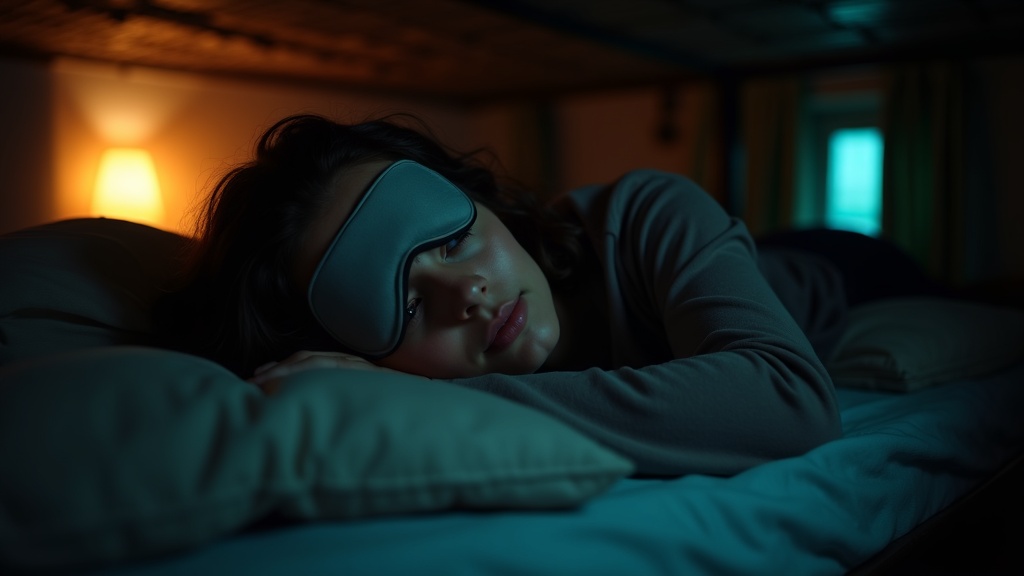
Sleeping in hostel dorms can feel like trying to rest on a busy subway. Just as you’re drifting off, someone zips open a plastic bag that sounds like a fireworks display. Then a headlamp sweeps across your face at 3am. Then someone starts snoring like a chainsaw convention.
The truth is, hostels aren’t designed for perfect sleep. They’re designed to fit as many beds as possible into one room while keeping costs low. That’s great for your budget, but it creates problems you’d never face in a hotel room with a door that locks.
You’re not just dealing with normal travel tiredness. You’re managing noise from five to fifteen other people who are all on different schedules. You’re trying to feel safe enough to actually relax when your belongings are inches from strangers. You’re attempting to sleep while someone three feet away scrolls through their phone with the brightness turned up like a spotlight.
Here’s the good news: you don’t have to accept terrible sleep as the price of budget travel. There are specific things you can pack and simple strategies you can use that actually make a difference in shared rooms. Not vague advice like ‘try to relax’ or ‘just deal with it.’ Real, practical fixes for the exact problems that hostel dorms create.
Some of these solutions cost less than a single night’s accommodation. Others just require knowing what to do differently. Let’s walk through what actually works when you’re trying to get decent rest in a room full of strangers.
Pick a bed that gives you the best odds
The bed you choose makes a real difference. When you arrive at the hostel, take a quick look around the room before claiming a spot. Some beds will naturally be quieter and more private than others.
Stay away from beds right next to the door if you can. Every person coming in late or leaving early will wake you up. The door often brings a burst of light from the hallway too. Beds near the bathroom have the same problem, with the added bonus of flushing sounds and running water throughout the night.
Watch out for beds positioned under bright ceiling lights or next to windows that face noisy streets. Even with an eye mask, the ambient light can mess with your sleep quality. Check if any beds sit near locker areas where people will be rummaging through their belongings at odd hours.
The top versus bottom bunk question is personal. Bottom bunks are easier to access and you won’t wake anyone climbing up or down. But top bunks tend to offer more privacy and less foot traffic past your face. They’re also warmer since heat rises, which might be good or bad depending on the season. The tradeoff is that every time your bunk mate moves, you’ll feel it more on top.
If you get stuck with a bad bed, it’s completely fine to ask the staff if you can switch. Just be polite and realistic about it. Frame it as a question, not a demand. Many hostels will help you out if another bed is free, but during busy periods you might need to wait until someone checks out. Don’t count on it, but asking costs nothing.
Handle noise like it’s a shared-room problem
Dorm rooms come with their own soundtrack. Someone will snore. Someone will rustle through a plastic bag at two in the morning looking for their phone charger. Late arrivals will fumble with zippers, drop their shoes, and bang metal locker doors. Phone alarms will go off at five-thirty because someone has an early flight. This isn’t bad behavior, it’s just what happens when eight strangers share a room.
Earplugs are the simplest fix and they actually work. Foam earplugs block more sound but can feel uncomfortable after a few hours. Silicone ones sit in your ear more gently and stay put if you move around at night. Try both types at home before your trip so you know which you prefer when you’re tired and cranky. Always pack spares because earplugs have a talent for disappearing.
If earplugs bother you or don’t block enough noise, sleep headphones or soft over-ear headphones let you play white noise or calming sounds. They’re bulkier to pack but some people find them more comfortable for all-night wear. A white noise app on your phone works just as well as any fancy recording, and it masks irregular sounds like conversations or crinkling bags better than silence.
Set your expectations low on weekends or in party hostels. Some nights will just be louder and there’s only so much any earplug can do. The goal isn’t perfect silence, it’s making noise manageable enough that you can actually fall asleep. On really rough nights, remind yourself it’s temporary and part of the trade-off for affordable travel.
Block light and create privacy without making it weird
Dorm lighting is chaos you can’t control. Someone might flip on the main overhead light at five in the morning looking for their shoes. The hallway light spills in every time the door opens. Your neighbor might read in bed with a clip-on lamp pointed directly at your face. You can’t predict it, but you can block it.
A good eye mask is the simplest fix. Get one that’s contoured so it doesn’t press on your eyelids, and make sure it stays put when you roll over. This single item solves about eighty percent of the light problem without requiring any cooperation from strangers.
Some hostels have curtains around each bunk. If yours does, use them. They give you a little cocoon where you can change clothes, scroll your phone, or just feel like you have a sliver of personal space. If there are no curtains, you can drape a sarong or light scarf from the bed frame to create a temporary visual barrier while you’re changing. Just make sure it’s not blocking the aisle or hanging where someone could trip.
Pick a bed that’s not right next to the door if you can. Beds near the entrance get hit with light and noise every time someone comes or goes. Corner beds or ones farther from the main light switch tend to be quieter and darker.
Keep your privacy setup compact. Don’t string things across shared space or block exits. Don’t cover smoke detectors or stick anything to the ceiling. The goal is to feel comfortable without making the room harder to navigate for everyone else. A little consideration goes a long way when you’re all just trying to get some sleep.
Fix the comfort problems hostels don’t warn you about
Even when the room is perfectly quiet, you might still wake up sore and cranky. Hostel beds often come with surprises: mattresses so thin you feel the wooden slats underneath, pillows that feel like they’re stuffed with old t-shirts, and blankets that scratch like burlap. These aren’t problems you notice in photos.
The bigger issue is that every hostel is different. One night you’re shivering under a ceiling fan on full blast. The next night you’re sweating because the radiator won’t turn off. Your body never gets a chance to adjust.
Bunk beds add their own challenges. Most have metal frames that creak with every shift, and top bunks often pair thin mattresses with zero back support. If you’re stuck on a saggy mattress, try sleeping closer to the edge where the frame provides more support. Fold your pillow in half for extra height under your neck.
The simplest fix is bringing a small travel pillow, either inflatable or the compressible kind that squashes down in your bag. A silk or cotton pillowcase slips over whatever lumpy thing the hostel provides and makes a surprising difference. Some travelers pack a buff or light sarong that works as an extra layer when it’s cold or a breathable cover when it’s too warm.
If scratchy blankets bother you, sleeping in soft pants and a long-sleeve shirt creates a buffer without taking up pack space. A small microfiber towel tucked around your pillow or under your hip can smooth out uncomfortable spots. None of this weighs much, but it transforms how your body feels after six hours on a questionable mattress.
Use timing and etiquette to reduce friction and wake-ups
Every hostel dorm has a rhythm. Early risers leave for tours at six in the morning. Late arrivals stumble in after midnight. Someone always seems to be wrestling with a plastic bag at dawn. You can’t control these patterns, but you can work around them.
Pack your bag the night before if you have an early start. Lay out tomorrow’s clothes on your bed or stuff them in a pillowcase. This means you won’t need to rummage through your main pack while others are sleeping. Set your phone to vibrate only and tuck it under your pillow so you feel the alarm without broadcasting it.
When you need to do something noisy, take it outside the room. Zip and unzip bags in the hallway. Take phone calls in the common area. Eat your crinkly snack wrapper breakfast in the kitchen. These small moves make a real difference when eight people are trying to sleep on different schedules.
If someone’s being disruptive and doesn’t seem to realize it, a quiet word often works. Wait until they pause, then say something brief and neutral like “Hey, could you keep it down a bit?” Most people genuinely don’t know they’re being loud. Keep it short and friendly.
Sometimes you have to let things go. A one-time disturbance at two in the morning isn’t worth a confrontation, especially if the person is already trying to be quiet. Save your energy for sleep instead. If the same person is repeatedly inconsiderate over multiple nights, mention it to hostel staff rather than handling it yourself. That’s what they’re there for.