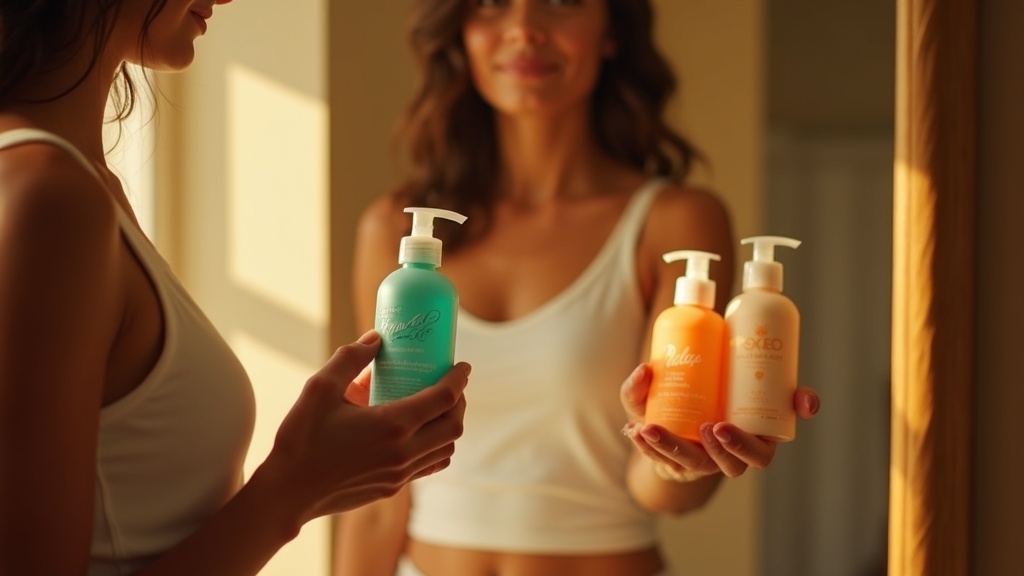
You’ve probably seen them in airport shops or online stores. Sleek toiletry kits with bamboo cases, recycled fabric pouches, and labels promising a greener way to travel. They look perfect in photos. But after a few trips, the zipper breaks. Or the supposedly reusable bottles start leaking. Or you realize you’re still throwing away just as much stuff as before.
The truth is that many eco-friendly toiletry kits aren’t built for real travel. They’re designed to look sustainable, not to actually last. A kit might use recycled materials but fall apart after three trips. The containers might be refillable in theory, but impossible to clean properly in a hotel bathroom. These aren’t just minor annoyances. They’re hidden sources of waste that undermine the whole point of going green.
A genuinely better kit does more than swap plastic for bamboo. It needs to survive being squished in overhead bins, withstand humidity changes, and make refilling actually convenient instead of messy. The materials matter, but so do things like how the seals work, whether you can take it apart to clean it, and if the pieces fit together in a way that makes sense when you’re rushing to catch a flight.
This guide helps you spot the difference between kits that just look eco-friendly and ones that genuinely reduce waste over time. We’ll walk through the practical details that separate products designed for Instagram from those built for the long haul.
Watch for packaging and refill traps that cancel out the benefits
You find a beautiful shampoo bar labeled eco-friendly. You feel good about ditching plastic bottles. Then you notice it arrives wrapped in plastic film, tucked inside a plastic-lined pouch, with a cardboard sleeve around that. Suddenly your zero waste toiletries are generating three kinds of trash before you even use them.
This happens more often than it should. A solid lotion bar comes in a tin that sounds reusable, but the tin itself is shrink-wrapped. Natural toothpaste tablets arrive in individual foil packets instead of a simple glass jar. The product itself might be great, but the packaging creates exactly the waste you were trying to avoid.
Refills bring their own set of traps. Some reusable bottles have unusual neck sizes that only fit one brand’s refill pods. Those pods often come with their own plastic packaging, and you can only buy them online, which means more cardboard boxes and bubble wrap showing up at your door every few months.
The smartest approach is looking for products with genuinely minimal packaging from the start. A shampoo bar wrapped in a single piece of paper or sitting in a simple metal tin you can actually reuse. Bottles with standard threading that accept refills you can find locally, not just from one supplier across the country.
Concentrates often work better than ready-made refills for repeated trips. A small bottle of concentrated soap that you dilute yourself creates less shipping weight and packaging than multiple full-size refills. You’re essentially refilling with water at your destination, which makes the whole system lighter and simpler.
The goal with sustainable travel accessories isn’t perfection. It’s avoiding the obvious traps where good intentions meet bad design, leaving you with a drawer full of packaging waste and incompatible containers.
Choose reusable toiletry containers that survive real travel
The most common reason people abandon their eco-friendly toiletry kit is also the simplest: something leaks all over their clothes. A container that works fine sitting on your bathroom counter can fail spectacularly when tossed in a bag, subjected to cabin pressure, or dropped on a tile floor.
Strong seals matter more than you might think. Look for containers where the lid twists or clicks firmly into place, not ones that just rest on top. Silicone bottles with wide screw caps tend to hold up better than thin flip-tops that gradually loosen with use. The hinge on a flip-top is often the first thing to snap, leaving you with a useless lid dangling by a thread.
Material choice makes a real difference too. Soft silicone bottles can handle drops and won’t crack, but they can be squeezed accidentally in a packed bag. Aluminum tins are nearly indestructible and great for solid products like shampoo bars or lotion bars, though they’re not ideal for liquids. Hard plastic containers split the difference but check that they’re actually thick enough to survive being crushed under a laptop.
Think about the practical details that make refilling easier. Wide openings let you scoop product in without making a mess. A flat area for labeling helps you grab the right container in dim hotel lighting. Clear volume markings take the guesswork out of airport security limits. Some brands sell replacement caps separately, which means you don’t have to toss the whole bottle when one part wears out.
Pumps look elegant but have more parts that can break or clog. For trips longer than a week or two, simple screw-top containers usually prove more reliable than anything with moving mechanisms.
Pick a toiletry bag material you can clean and keep using
The bag itself matters more than most people think. A truly eco-friendly toiletry kit isn’t just about what goes inside. It’s about whether the bag survives years of being stuffed into suitcases, splashed with shampoo, and dragged through humid hotel bathrooms.
Natural fabrics like cotton or hemp sound great on paper. But they often absorb spills, stain easily, and take forever to dry. Mold loves a damp cotton bag that’s been zipped up after a shower. If you replace your bag every year because it looks grimy or smells off, that’s not very sustainable.
Look for bags with wipeable linings. Nylon, polyester, or coated canvas can handle the occasional leak without soaking it up. You want something you can rinse in a sink, wipe down with a cloth, and hang to dry overnight. Water resistance matters too, especially around the bottom where bottles sit.
Check the zippers and seams before you buy. Flimsy zippers break fast, and once they go, the whole bag becomes useless. Strong stitching and reinforced corners mean the bag can handle being overstuffed without tearing. Some brands even offer repair services, which is worth considering if you’re serious about long-term use.
Be careful with so-called eco leather or vegan leather. Some versions peel or crack after a few trips, leaving you with a sad-looking bag that can’t be fixed. The same goes for bags with special coatings that promise water resistance but start flaking off after a year. A simple, durable material you can actually maintain will outlast the trendy option every time.