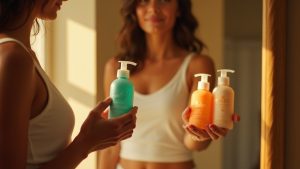
You want to travel lighter on the planet, but you’ve seen those zero-waste packing lists. The ones that assume you’ll handwash linen pouches every night or carry glass jars through airport security. They sound lovely in theory, but they don’t exactly match how real trips actually go.
Here’s the thing about zero waste travel accessories: they only work if they fit into your actual routine. That means they need to survive being tossed in a backpack, work in hostel bathrooms and hotel sinks, and not add an hour of prep work to your morning.
The good news is that practical, genuinely useful eco friendly packing options exist. They’re not all bamboo everything or bulky mason jars. Many of them are actually more convenient than their disposable counterparts once you get used to them.
This isn’t about achieving perfect sustainability or never producing a single piece of trash. It’s about making swaps that stick because they make sense for how you travel. Whether you’re backpacking Southeast Asia, taking a weekend road trip, or flying home for the holidays, the right reusable travel products can simplify your packing and cut down on waste without turning your trip into a zero-waste performance art piece.
We’re focusing on what actually works in practice. The kind of sustainable toiletries and plastic free travel gear that won’t break, leak, or make you regret your choices halfway through security. Real solutions for real trips.
Start with swaps that won’t fail on day one
The best zero waste travel accessories are the ones you’ll actually use without thinking twice. That means they need to pass a few basic tests before they earn a spot in your bag.
Start with the spill-proof test. A bamboo container might look beautiful on Instagram, but if it leaks shampoo into your clothes at 30,000 feet, you won’t pack it again. Look for products with secure closures and test them at home first. Fill them, shake them, toss them in a bag for a day. If they survive that, they’ll probably survive your trip.
Next, think about cleaning. Reusable travel products only work if you can actually keep them clean on the road. A silicone food pouch is great if your hotel has a sink you can rinse it in. It’s less great if you’re camping in the desert. Match your gear to the reality of where you’re going.
Comfort matters more than you’d think. A metal water bottle that’s too heavy gets left in the hotel room. A soap bar that feels scratchy doesn’t get used. Zero waste shouldn’t mean suffering through products you don’t like.
Finally, consider replaceability. If you’re traveling somewhere remote or expensive, losing a specialized reusable item can derail your whole system. Pack things you could replace locally if needed, or bring a backup for essentials.
Trip length changes everything too. A weekend trip can handle products that need frequent washing. A month-long journey needs gear that’s truly low maintenance. Hot climates require different considerations than cold ones. Your zero waste travel accessories should be durable basics that fit your actual plans, not fragile specialty items that only work in perfect conditions.
Use better containers instead of buying more minis
Those tiny hotel bottles and travel-size products feel convenient until you realize you’re tossing dozens of them every year. The fix isn’t complicated. You just need a few good containers you can refill from your full-size products at home.
Silicone squeeze bottles work beautifully for liquids like shampoo, conditioner, and body wash. They’re soft enough to squeeze out every last drop, and they hold up through dozens of trips. Look for ones with wide openings so you can actually get thicker products in without making a mess.
For creams and lotions, small jars with screw-top lids are your best bet. Face moisturizer, hair pomade, body butter—anything with some thickness to it does better in a jar you can dip into. Glass jars feel nice but add weight. Lightweight aluminum or sturdy plastic jars are more practical if you’re trying to keep your bag light.
Solid stick containers are underrated. They’re perfect for things like sunscreen sticks, solid lotion bars, or balms. No liquid means no leaks, and you can often find refillable tubes that twist up like deodorant.
If you need a spray bottle for things like toner or setting spray, get one with a secure cap that clicks or screws on. The cheap pump sprayers rarely survive a flight without leaking.
Here’s the thing about leaks: even good containers can fail if they’re packed wrong or the cabin pressure gets weird. Keep them in a zippered pouch, and don’t fill bottles completely to the top. Leave a little air space. And yes, label everything. You don’t want to brush your teeth with face wash at 6 a.m. in a hotel bathroom.
Choose solid toiletries that don’t feel like a compromise
Solid toiletries get a lot of hype in the zero waste world, but here’s the truth: some work brilliantly for travel, and others turn into a soggy mess that makes you wonder why you bothered. The key is knowing which swaps actually deliver.
Shampoo and conditioner bars have come a long way. If you’ve tried one before and hated it, don’t write them all off. Different bars work for different hair types, just like liquid shampoos do. Look for brands that specify whether they’re for oily, dry, or curly hair. A good bar should lather easily and rinse clean without leaving your hair feeling waxy or stripped.
Bar soap is the easiest swap, especially if you find a gentle facial cleanser bar that works for your skin. Skip the hotel miniatures entirely. Solid deodorant can be hit or miss, but the ones that come in a twist-up tube tend to apply smoothly without crumbling or leaving white streaks.
Toothpaste tablets are worth trying, though they’re not for everyone. You chew them up, add water with your toothbrush, and brush normally. Some people love them. Others find the texture weird and stick with their regular tube, which is completely fine.
The storage trick that makes or breaks solid toiletries: they need to dry between uses. A small tin with drainage holes or a soap bag that lets air circulate will prevent that dreaded mush. Never seal a wet bar in a closed container unless you enjoy cleaning slime off your belongings.
And look, if there’s one liquid product you absolutely rely on, keep it. Trading your holy grail face serum for something that breaks you out isn’t sustainable for anyone.
Swap the small daily plastics you touch the most
Think about what you actually touch every morning and night in a hotel bathroom. Your toothbrush, toothpaste, floss, and razor are probably all plastic, and if you’re using travel sizes, you’re tossing them after every trip. These aren’t dramatic changes, but they add up fast because you use them twice a day, every single day you’re away.
Start with your toothbrush. A bamboo travel toothbrush works fine and comes with protective cases that keep it clean in your bag. If you want something longer-lasting, look for brushes with replaceable heads so you’re only swapping out the bristles, not the whole handle. Just make sure it dries between uses or it’ll get funky, bamboo or not.
Toothpaste tablets are surprisingly travel-friendly. You chew one, brush with a wet toothbrush, and you’re done. No liquid restrictions, no leaking tubes. They taste a bit chalky at first, but most people adjust within a few days. If tablets feel too weird, refillable metal toothpaste tubes exist, though you’ll need to find a place that actually refills them before you go.
Floss is trickier. Refillable floss dispensers use silk or plant-based thread instead of nylon, and they’re compact enough for any toiletry bag. Reusable floss picks exist too, but they’re honestly a bit fiddly to clean on the road.
Razors are where people get nervous. Safety razors create less waste and the blades are cheap, but they take practice and you can’t fly with loose blades in a carry-on. If that sounds like too much hassle, try a regular razor with a metal handle and replaceable cartridges. You’re still creating some waste, but way less than disposable plastic razors.
Handle laundry and messes without disposable wipes
Wet wipes are travel’s guilty pleasure. They promise to handle everything from coffee spills to sandy feet to that mystery goo your kid just touched. But they’re also single-use plastic wrapped in more plastic, and they don’t break down the way the packaging suggests.
A small quick-dry cloth does most of what a wet wipe does, minus the trash. Look for ones made from microfiber or bamboo that dry fast and pack down small. Get it damp at a restroom sink and you can wipe down a tray table, clean your hands after a snack, or tackle the inevitable ice cream drip. When it’s dirty, rinse it out and hang it from your bag with a carabiner to dry.
For tougher jobs like stains on clothes, pack a compact stain bar or those flat soap sheets that dissolve in water. They work on fresh spills way better than just rubbing with water alone. If you’re on a longer trip and actually need to do laundry in a sink, add a universal sink stopper and maybe a short travel clothesline with clips.
A small refillable spray bottle filled with diluted castile soap or all-purpose cleaner handles the jobs that need a bit more oomph. Think wiping down a dubious countertop or cleaning up after a beach day. Just don’t use homemade solutions on anything that touches raw food or needs actual disinfection.
The trick with all of these is packing wet items so they don’t make everything else damp. Use a waterproof pouch or even a used bread bag with a twist tie. It’s not glamorous, but it works perfectly and keeps your backpack from smelling like a gym locker.
Pack a few food and drink reusables you’ll actually use
You don’t need a full kitchen to cut down on travel waste. A small, smart selection of reusables can save you money and keep a lot of plastic out of your luggage on the way home.
Start with a water bottle. If you’re tight on space, go collapsible. Otherwise, any lightweight bottle works. You’ll fill it after airport security, at hotel water fountains, and pretty much anywhere with a tap. It pays off almost immediately.
A reusable coffee cup is worth packing if you’re a daily coffee drinker and your trip has a relaxed pace. Road trips, long train rides, and destinations with good café culture make it worthwhile. Skip it if you’re doing fast-paced city hopping or only have a carry-on stuffed to the brim.
Compact utensil sets are clutch for airports, road trips, and theme parks where single-use cutlery is everywhere. A simple fork and spoon combo, ideally in a small pouch, slips into any bag. You’re not trying to host a picnic. You just want something to eat takeout with that doesn’t snap in half.
One flexible food container or silicone bag rounds out the kit. Use it for snacks, leftovers, or fruit from a breakfast buffet. Silicone bags fold flat when empty, which makes them better than rigid containers for most travelers.
Be realistic about your trip style. If you’re constantly on the move with no time to wash anything, you’ll end up carrying dirty cups and regretting it. But if you have even a little downtime, a quick rinse goes a long way. This isn’t about perfection. It’s about reducing waste when it’s actually convenient to do so.
Skip the swaps that sound good but travel badly
Not every zero waste product translates well to a suitcase. Some items that work beautifully at home turn into frustrating liabilities when you’re living out of a bag.
Metal straws are a classic example. They’re bulky, they poke holes in packing cubes, and you need a special brush to clean them properly. Unless you’re staying somewhere with easy access to a sink and drying time, they often end up unused at the bottom of your bag while you order drinks without straws instead.
Glass containers sound lovely until you’re carrying them through three airports and a bumpy bus ride. Even wrapped in clothes, they add serious weight and worry. One crack and you’ve got shampoo soaking through everything you packed.
DIY toiletries deserve special mention. Homemade deodorant can melt in warm climates or separate during travel, leaving you with an oily mess. Bar versions you make yourself might not hold together as well as commercial ones designed for durability.
The tiny jar problem sneaks up on people too. You start with good intentions, decanting everything into small reusable containers. Then you’re juggling twelve little jars in airport security, something leaks, and you can’t remember which unmarked container holds conditioner versus body lotion.
Here’s a simple rule: if a swap requires perfect conditions to work well, it probably won’t survive real travel. Choose items that can handle being jostled, that work in both cold and hot weather, and that don’t need elaborate care routines. The goal is actually using your sustainable options, not abandoning them halfway through your trip and buying plastic bottles at a convenience store.
Make your kit easy to clean, dry, and repack
The biggest reason people abandon reusable travel products isn’t the initial swap. It’s dealing with a wet shampoo bar or a damp towel shoved into a bag at checkout time. If your system doesn’t account for moisture and mess, you’ll end up back with single-use packets faster than you can say mildew.
The fix is surprisingly simple. After your last shower of the trip, leave bar soap and shampoo out on a towel while you finish packing everything else. Even fifteen minutes of air time makes a difference. For bottles and containers, give them a quick shake and store them upside down in a mesh bag or toiletry pouch with ventilation holes.
A small microfiber cloth is your best friend here. Use it to wipe down bottles, dry the outside of containers, and wrap up anything still slightly damp. It dries fast and takes up almost no space. Some travelers clip a small mesh produce bag to the outside of their luggage during the final morning, letting items air out until the very last minute.
Between trips, don’t just toss everything into a drawer. Take five minutes to rinse out containers, let bar products fully dry on a soap dish, and air out your toiletry bag. This prevents that musty smell that makes you never want to open the bag again. Keep a small checklist on your phone if you tend to forget items, but don’t overthink it. The goal is a simple routine that takes less time than a gas station shopping trip.