You don’t need to become a zero-waste warrior to make your travel routine a little kinder to the planet. Most eco-friendly travel accessories aren’t exotic bamboo gadgets from specialty stores. They’re just smarter versions of things you’re already packing.
The truth is, swapping to reusable travel products doesn’t mean overhauling your entire suitcase or spending a fortune on premium gear. It usually means picking the refillable version instead of the disposable one. Or grabbing something made from silicone instead of single-use plastic. Small switches that save you money in the long run and keep a bit more junk out of landfills.
Think about how much plastic waste piles up during a typical trip. Mini shampoo bottles. Plastic water bottles at the airport. Ziplock bags you use once and toss. Those flimsy hotel shower caps. It adds up fast, and most of it ends up in the trash before you even get home.
The good news is that sustainable packing swaps have gotten way easier to find. You can pick up most of them at regular stores or online without hunting through specialty eco-boutiques. They work just as well as the throwaway versions, sometimes better. And you don’t need to replace everything at once.
This isn’t about perfection or guilt. It’s about making travel a bit less wasteful without making it harder on yourself. Because the best eco-friendly swap is the one you’ll actually use, not the one gathering dust at the bottom of your closet.
How to choose eco-friendly travel accessories that you will actually use
The best eco-friendly swap is the one that doesn’t end up shoved in a drawer after one trip. Before buying anything new, ask yourself if you already use a similar item at home. If you pack plastic bags on every trip, a reusable alternative makes sense. If you’ve never carried a water bottle in your daily life, buying one for travel probably won’t change your habits.
Look for swaps that work across different types of trips. A collapsible water bottle is useful whether you’re camping or visiting cities. A quick-dry towel works for beach vacations and hostel stays. The more versatile an item is, the more likely you’ll reach for it again and again.
Pay attention to how easy something is to clean and maintain. Reusable items only stay useful if you can rinse them out in a hotel sink or toss them in a washing machine. Accessories with too many parts or special cleaning requirements tend to get left behind after a few uses.
Choose materials and features that actually matter for travel. Lightweight and durable usually beat heavy and delicate. Refillable beats single-use. Leak-resistant beats messy. These aren’t fancy eco-certifications, just practical qualities that keep items in rotation.
Here’s the most important part: the most sustainable choice is often using what you already own until it wears out. Buying a bamboo toothbrush when your regular one still works doesn’t help the planet. Wait until you need a replacement, then choose the greener option. That old plastic water bottle? Keep using it until it’s done. Then upgrade to something that lasts longer.
Swap mini toiletry bottles and hotel freebies for refillable basics
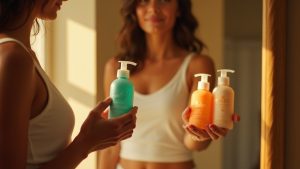
Toiletries are probably the biggest plastic waste culprit when you travel. Those tiny hotel bottles, the single-use samples you grab at home, the travel-size everything you buy at the airport because you forgot your regular stuff. It adds up fast, and most of it ends up in the trash after one trip.
The easiest swap is getting a set of refillable travel bottles that you actually like using. Look for silicone squeeze bottles with leak-proof caps and wide openings so you can actually get your shampoo in there without making a mess. The TSA-friendly size is 3.4 ounces or 100 milliliters. Get a few extras so you can keep one set packed and ready to go.
Solid bars are even simpler if you can make them work for your hair and skin. Shampoo bars, conditioner bars, and regular soap bars take up almost no space and never leak. You can toss them in a small tin or a soap bag and forget about the whole liquid limit situation entirely.
For things like face cream or serums, small screw-top jars work better than bottles. You can find little containers at any drugstore or online. Stick a piece of tape on each one and write what’s inside with a marker, because they all look identical when you’re half asleep in a hotel bathroom.
The trick to making this easy is refilling everything before you pack, not the morning you leave. Keep your travel kit stocked after each trip while the routine is fresh. And when hotels offer those little bottles, you can just say no thanks. You already have what you need, and it actually works for your hair.
Swap disposable bottles and cups for a reusable water setup
A reusable water bottle is probably the easiest swap on this list. You can find one at pretty much any big box store, grocery chain, or gas station for under twenty dollars. And unlike some eco-friendly swaps that feel like a sacrifice, this one actually makes travel more convenient.
The trick is picking the right bottle for your trip. If you’re hopping on a plane or cramming a weekend bag, a collapsible silicone bottle squashes down to nearly nothing when empty. For road trips or days spent exploring, an insulated stainless steel bottle keeps drinks cold for hours. And if you just want something light and simple, a basic plastic reusable bottle works perfectly fine.
Not sure about the tap water where you’re going? A filter bottle is a nice middle ground. It filters as you drink, so you can refill from most taps without worry. You don’t need anything fancy or expensive. Brands like Brita and LifeStraw make affordable versions you can grab at Target or Walmart.
The habit part is simple. Fill your bottle after you pass through airport security instead of buying a new one at the gate. Look for water refill stations in airports, parks, and museums. Many coffee shops will fill your bottle for free if you ask nicely.
Speaking of coffee, bringing a reusable cup for your morning coffee or tea is the natural next step. Most chains offer a small discount if you bring your own cup, so it pays for itself pretty quickly. Even a simple insulated mug from the kitchen works. Just rinse it out between uses and you’re good to go.
Swap plastic bags and cling wrap for reusable organizers and food storage
Most travelers pack a few plastic bags “just in case.” And we do use them—for wet swimsuits, leftover snacks, dirty shoes, or wrapping up something that might leak. The problem is they’re single-use, they tear easily, and you end up buying more at every destination.
Reusable zip pouches and silicone bags do the same jobs, but they last for years. A medium-sized silicone bag can hold trail mix, keep your phone dry at the beach, or store leftovers from lunch. Fabric zip pouches with waterproof linings work perfectly for damp towels or separating shoes from clean clothes. They’re washable, they don’t rip, and you’re not constantly looking for another plastic bag.
For food, small reusable containers are genuinely useful. Bring one or two lightweight options that seal properly. They’re great for market snacks, restaurant leftovers, or packing a sandwich for a long travel day. Look for containers that nest together or collapse flat so they don’t take up much room when empty.
Mesh produce bags are another simple swap. They weigh almost nothing and fold into a pocket. Use them for fruit from a street market, or as a laundry bag for socks and underwear. They dry fast and double as organizers inside your backpack.
The key is keeping it practical. You don’t need a full drawer of specialty bags. Two or three reusable pouches in different sizes will cover most situations. Choose ones that are truly sealable if you’re dealing with liquids, and make sure everything you bring is easy to rinse and air dry. That’s it—no complicated system required, just a few reliable pieces that actually get used.
Swap disposable cutlery and straws for a small reuse kit
Airports, train stations, and street food stalls all hand out mountains of plastic cutlery. You don’t need to accept it. A small reusable eating kit solves the problem without adding weight or hassle to your bag.
The simplest version is just a lightweight spork and a folding fork in a compact case. You can toss it in a daypack or jacket pocket and have it ready when you grab food on the go. Some kits also include chopsticks, which are handy if you’re traveling in Asia or just prefer them for noodle dishes.
If you use straws regularly or need them for accessibility reasons, adding a reusable one makes sense. Silicone and metal versions both travel well. Skip this if you don’t actually use straws, though. The goal is a kit you’ll carry, not one that sits in your suitcase because it feels like too much.
A cloth napkin rounds things out nicely. It does double duty as a hand towel and keeps your kit cleaner between rinses. Look for something thin that dries quickly, not a thick cotton square.
What makes these kits work in real life is how easy they are to clean. A quick rinse under any faucet handles most messes. When you’re home, everything should be dishwasher safe. The case matters too. A slim pouch or hard case keeps utensils from rattling around and prevents that awkward moment when you pull out a fork covered in yesterday’s sauce.
The best kit is honestly just the one you remember to grab. Start with the basics and see what you actually use before buying anything fancy.
Swap single-use laundry pods and travel wipes for washable, refillable options
Travel-sized cleaning products seem harmless enough, but they add up fast. Those little laundry pods, wet wipes, and mini detergent bottles create a lot of waste when you’re traveling regularly. The good news is you can replace almost all of them with a few simple items that work just as well.
A small refillable bottle filled with concentrated liquid soap is your secret weapon. You can use it for washing clothes in a pinch, spot-cleaning stains, or even washing your hands. Look for the kind that’s safe for both body and fabrics. Many camping stores and zero-waste shops carry these, but you can also just refill a tiny travel bottle with your regular soap from home.
If bottles aren’t your thing, try a bar soap designed for multiple uses. These compact bars can handle laundry, dishes, and body washing. They’re lighter than liquids and won’t spill in your bag. Just keep them in a small tin or soap case with drainage holes so they can dry between uses.
For quick cleanups, swap disposable wipes for a simple microfiber cloth or small cotton towel. One cloth can replace dozens of paper towels and wet wipes. Rinse it out in your hotel sink and hang it to dry overnight. If you’re worried about mess, pack it in a small ziplock until you can wash it properly.
A compact stain stick is worth tossing in your toiletry bag too. It handles spills and marks without needing water right away, which beats buying emergency stain remover at the airport. The key to keeping everything tidy is letting wet items dry completely before packing them away. A few minutes of air-drying prevents that musty smell and keeps your bag fresh.
Swap disposable personal care items for reusables that travel well
Personal care items can quietly pile up a lot of waste when you travel. Think about all those disposable cotton rounds, plastic razors, and other single-use products that end up in hotel trash cans. The good news is that reusable versions exist, and many of them are easier to travel with than you might expect.
Reusable cotton rounds are a simple starting point. They’re basically small fabric pads you can use to remove makeup or apply toner, then toss in a small mesh bag until you can wash them. Most come with their own little pouch, which keeps things tidy in your toiletry bag.
If you use disposable razors, a safety razor or refillable razor handle could be worth considering. They take up about the same space but create way less waste. The main thing is making sure the blades are properly stored during travel. Many brands sell protective cases specifically for this.
For menstrual products, options like a menstrual cup, disc, or period underwear can reduce both waste and the need to find supplies in unfamiliar places. These work well for some travelers, though they’re definitely a personal choice. The key consideration is access to clean water and privacy for rinsing or changing. Having a backup disposable option tucked away can give you peace of mind while you’re getting comfortable with reusables.
None of these swaps are all-or-nothing decisions. You might love one and skip another entirely. The point is finding what actually fits your routine and comfort level, not overhauling everything at once.
Swap disposable batteries and flimsy cables for longer-lasting travel tech
Disposable batteries feel convenient until you’re fumbling for double-As in a Tokyo convenience store at midnight. Rechargeable batteries cost more upfront, but they last for years and keep dozens of single-use batteries out of landfills. Pop them in your headlamp, portable speaker, or travel alarm just like regular batteries. When they run low, charge them with a simple USB charger instead of hunting for a trash can.
The same logic applies to your charging setup. Flimsy cables fray at the ends, stop working halfway through a trip, and force you into overpriced airport kiosk purchases. Look for cables with thicker, reinforced ends where the cord meets the plug. That reinforced bit is called strain relief, and it’s what keeps cables from splitting after a few months of getting stuffed into bags.
A quality power bank saves you even more hassle. Choose one that holds enough charge for your phone and maybe your earbuds without being brick-heavy. Check that it has the right ports for whatever you’re actually carrying. If everything you own charges via USB-C, don’t buy one with only old-style USB ports.
A multi-port charger is the final piece. Instead of packing three separate charging blocks, one multi-port unit plugs into the wall and handles your phone, tablet, and headphones at once. It takes up less space, works with most travel adapters, and means you’re not competing with your travel partner for outlet access. You avoid the cycle of losing chargers, buying emergency replacements, and tossing half-broken spares into a drawer at home.
Swap impulse plastic purchases for a simple reusables habit while traveling
The plastic bags pile up fast when you travel. One from the pharmacy. Another from the convenience store. A third from the souvenir shop. Before you know it, your hotel room has a collection of single-use bags you’ll toss before checkout.
The fix is simpler than you think. Tuck a foldable tote bag into your daypack or purse before you leave your room each morning. These bags scrunch down to the size of a tennis ball and weigh almost nothing. When you stop at a market or grab snacks for the beach, you already have a bag. No plastic needed.
A compact daypack that folds flat works the same way for bigger shopping moments. Maybe you find amazing local crafts at a street market, or you need to carry beach gear. A packable daypack takes up less space than a pair of socks in your suitcase but expands when you need it. You avoid those flimsy plastic shopping bags that rip halfway to your hotel.
One more game-changer: a small reusable container. Think about takeaway food, fresh fruit from a vendor, or pastries from a bakery. These often come in plastic clamshells or bags. A lightweight silicone container or small cloth pouch gives you another option. It fits in your bag without adding bulk.
The beauty of this approach is you carry these items once but use them constantly. They become part of your daily routine, just like grabbing your phone and wallet. No extra thinking required. And because they pack flat and weigh next to nothing, they never feel like you’re lugging around extra gear. Just simple swaps that quietly eliminate plastic throughout your trip.