You’ve probably seen the advice a hundred times: ditch those tiny plastic hotel bottles and bring a bar of soap. Great in theory. But then you’re standing at airport security realizing your shampoo bar won’t work with your hair type, or you’re fishing a leaky silicone bottle out of your backpack for the third time that week.
Traveling sustainably shouldn’t mean choosing between your sanity and the planet. The problem isn’t that eco-friendly travel toiletries don’t exist. It’s that most advice skips over the messy reality of actually using them on the road.
Real talk: you need products that survive being tossed around in overhead bins, that don’t require a PhD to use in a hostel shower, and that won’t get confiscated at security. You need things that actually work with your skin and hair, not just things that technically qualify as plastic-free.
The good news is that sustainable travel products have come a long way. There are now genuinely practical options that hold up to long flights, humidity changes, and the general chaos of life on the move. Some are solid products that sidestep liquid limits entirely. Others are concentrated formulas that let you pack light while lasting weeks.
This isn’t about perfection or overhauling everything overnight. It’s about finding swaps that make your travel routine easier, not harder, while cutting down on single-use plastic waste. Because the best eco-friendly product is the one you’ll actually keep using, trip after trip.
Start by swapping the items you actually finish on trips
Before you buy a single eco-friendly travel product, take a minute to think about what you actually use up when you’re away from home. Not what sits in your toiletry bag untouched, but what runs out or gets tossed at the end of a trip.
For most travelers, that’s the usual suspects. Mini shampoo bottles, conditioner packets, travel-sized body wash, those tiny lotion tubes, face wash, and maybe shaving cream. These are your high-churn items, the ones you go through quickly and replace constantly.
This is where swapping to eco-friendly travel toiletries makes the biggest difference. You’re not cluttering your routine with extras or buying products you’ll never finish. You’re replacing the stuff that’s already cycling through your luggage trip after trip, creating a steady stream of plastic waste.
The trick is keeping it simple. Focus on those few products first. If you use face wash every night on the road, that’s a swap worth making. If you never touch lotion while traveling, skip it entirely, even if it’s marketed as essential.
The best eco-friendly swap isn’t the one that sounds most impressive or comes in the prettiest package. It’s the one that works with your actual hair type, your skin needs, and the routine you already have. A sustainable shampoo bar that leaves your hair feeling terrible won’t end up in your suitcase twice. But one that leaves you feeling clean and normal? That’s the swap that sticks and keeps those mini plastic bottles out of the trash.
Understand airport liquid rules so your swaps don’t get binned
Airport security treats liquids, gels, and creams the same way. That means your regular shampoo, lotion, sunscreen, and even toothpaste all need to fit in that one clear bag if you’re flying carry-on only. This is exactly why those tiny plastic bottles exist in the first place, and why switching to eco-friendly options can feel tricky at first.
Here’s the good news: solid versions of most toiletries don’t count as liquids. A shampoo bar goes through security like a bar of chocolate. Same with toothpaste tablets, solid deodorant, and powder face wash. You can pack them anywhere in your bag without worrying about the liquids limit.
Things get fuzzy with products that look solid but act like paste. Thick balms, stick sunscreens, and cream deodorants sometimes get flagged, sometimes sail through. It depends on the security officer and how strictly they interpret the rules that day. If you’re bringing something borderline, just be ready to pull it out or toss it if needed.
The simplest strategy is to build your kit around formats that work whether you check a bag or not. Choose mostly solid or powder products as your everyday travel setup. Then keep one small backup option that fits the liquids bag for those times when you need to fly carry-on and your solid deodorant decides to melt or your bar shampoo runs out mid-trip.
This way you’re not scrambling at the airport or buying disposable minis in a panic. You’ve got options that actually suit how you travel, not just what the rules technically allow.
Pick solid cleansers that feel normal and don’t turn to mush
The best solid cleansers don’t make you feel like you’re camping. They lather properly, rinse off without leaving a waxy film, and don’t dissolve into slime after one shower. This matters more than you’d think, especially if you’re dealing with hard water in a European hostel or a tiny bathroom where everything stays damp.
For shampoo bars, look for ones that create actual foam rather than just coating your hair. Some bars work beautifully for fine hair but leave thick or curly hair feeling stripped. Others are moisturizing enough for dry scalps but might weigh down oily hair. The takeaway is simple: what works for your friend might not work for you, so give yourself permission to try a couple before your big trip.
Solid conditioner bars exist too, though they’re trickier. The good ones glide over wet hair and provide slip for detangling. The bad ones crumble or just sit there doing nothing. If bars don’t work for your hair type, a tiny reusable silicone bottle with regular conditioner might be your better move.
Body wash bars and face cleansers in solid form tend to be more forgiving. Most lather well and rinse clean. The real challenge is keeping them from turning into goo between uses. A simple draining soap case with holes works wonders. So does a small mesh pouch that lets air circulate. Even just setting the bar on a washcloth at night helps it dry out properly.
Heat is the enemy of solid products. If you’re traveling somewhere tropical, store your bars in a breathable container, not sealed plastic. A little airflow prevents that sad, melted situation that ruins both the product and your toiletry bag.
Use concentrates and refillables for the products you can’t go solid with
Not everyone wants to switch to bar versions of everything. Maybe your skin hates solid shampoo, or you need a specific liquid serum that keeps your hair manageable in humid climates. That’s completely fine. You can still cut down on waste without abandoning products that actually work for you.
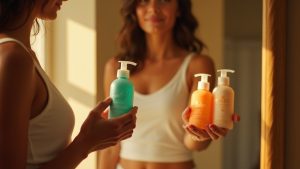
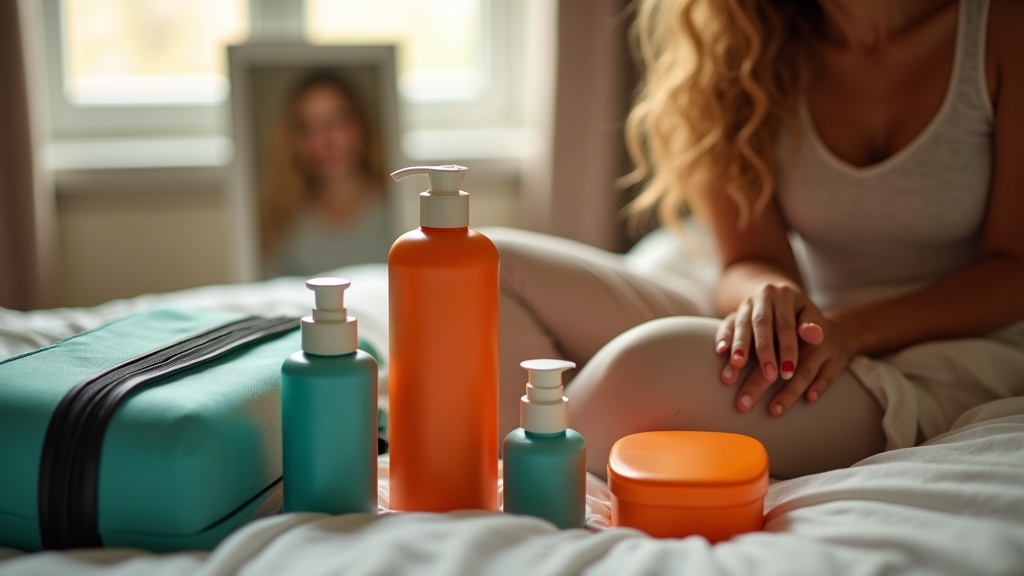
Refillable travel bottles are the simplest swap here. Buy a set of sturdy silicone or hard plastic bottles once, then fill them with your regular products before each trip. This lets you bring exactly what you know works, just in smaller amounts. You’re not stuck testing new products in unfamiliar bathrooms or dealing with hair disasters mid-vacation.
Concentrates are another smart option, especially if you’re trying to stay under carry-on liquid limits. These come as tablets, pods, or super-concentrated liquids that you mix with water. A tiny shampoo concentrate can replace a full-sized bottle, leaving you more room for that extra pair of shoes. Just add water at your destination and you’re set.
The leak question always comes up, and it’s valid. Nobody wants shampoo-soaked clothes. Choose bottles with secure screw tops rather than flip caps. Don’t fill them all the way to the brim—leave a little air space so pressure changes on the plane don’t force liquid out. Pack them in a sealed toiletry bag, preferably in the middle of your luggage surrounded by softer items, not pressed against the sides.
Refillables work best when you’re traveling to places with decent water quality. If you’re headed somewhere you wouldn’t drink the tap water, concentrate tablets might be trickier to use safely. Just something to consider when planning your packing strategy.
Swap the tricky basics: toothpaste, deodorant, and shaving
These three items cause more airport security drama and plastic waste than almost anything else in your toiletry bag. The good news is that swapping even one or two of them makes a real difference, and the alternatives have gotten surprisingly good.
Toothpaste tablets are the simplest fix for the liquid limit problem. You chew one up, wet your brush, and brush normally. The first time feels a bit weird, like you’re crunching a mint, but after two or three uses it becomes completely normal. Some people prefer toothpaste powder, which you dip your wet brush into. Both work well and come in small tins or glass jars you can refill. If tablets aren’t your thing, look for toothpaste in metal tubes or glass jars, which create way less waste than the usual plastic squeeze tubes.
Deodorant in a cardboard push-up tube is one of the easiest swaps you’ll ever make. It goes on just like regular stick deodorant, and most brands now make versions that actually work through a long travel day. Solid deodorant bars are another option, though they take a minute to get used to since you rub them on with your hands. Pack any solid deodorant in a small tin or container so it doesn’t get dinged up in your bag.
For shaving, a safety razor with replaceable blades is the gold standard if you’re committed. It’s heavier than a plastic disposable, but the blades are tiny and last for ages. If that feels like too big a leap, try a reusable razor handle where you only replace the blade cartridge. Either way, wrap the razor head in a washcloth or small pouch so it doesn’t scratch anything or cut you when you’re digging around for your charger.
Pack and store your toiletries so they stay clean and don’t leak
The fastest way to give up on eco-friendly toiletries is to have shampoo bar residue all over your clothes or a wet soap case that never quite dries. Good storage matters more than you think.
Start by keeping wet and dry items apart. A small zippered pouch with a waterproof lining works perfectly for anything that might be damp. You can find these at most drugstores or outdoor stores, but honestly, a repurposed freezer bag does the job just fine. Throw your soap bars and solid products in there after use, and nothing else in your bag gets sticky or wet.
Choose soap cases with drainage holes or slats on the bottom. Those smooth clamshell cases might look sleeker, but they trap moisture and turn into a soggy mess. Your bars need air to dry out between uses, or they’ll get mushy and wasteful.
When you’re dealing with tight spaces like a cramped hotel bathroom or a hostel shower, bring a small carabiner or hair tie. You can hang your toiletry pouch from a towel hook or showerhead, keeping everything off wet surfaces. On overnight flights, keep your solid products in your personal item so you can freshen up without digging through overhead storage.
The real trick is giving things a chance to dry whenever possible. Before you zip everything up in the morning, leave soap cases open while you’re getting dressed or eating breakfast. Even ten minutes makes a difference. If you’re moving fast, tuck a small washcloth or cut-up towel in your toiletry bag to absorb excess moisture.
Once you have a system that works, plastic-free toiletries actually become easier than managing a collection of leaky mini bottles.
Avoid greenwashing and overbuying when choosing travel-sized eco products
The fastest way to undermine your good intentions is to buy a bunch of new “eco-friendly” stuff you don’t actually need. Yes, even if it’s made from bamboo or comes in a cardboard tube.
Before you click “add to cart” on another travel-sized product, ask yourself one simple question: will I actually use this more than once? A refillable silicone bottle is only sustainable if you refill it. If it ends up in a drawer after one trip while you go back to hotel miniatures, you’ve just added more clutter to your life and more demand to the manufacturing system.
The most eco-friendly option is usually the least exciting one. Use what you already own until it’s truly empty. Decant your regular shampoo into a small reusable container. That half-used tube of toothpaste from your bathroom cabinet works just fine in your toiletry bag.
When you do need to buy something new, look for designs that fit your actual routine. A bar shampoo is brilliant if you’re willing to adjust your hair-washing habits. If you know you’ll give up on it after two uses and waste it, a refillable bottle makes more sense. Check whether the packaging can actually be recycled where you live. Compostable pouches sound wonderful, but they’re just trash if your city doesn’t accept them.
Choose fewer, better items over a full set of matchy travel products. You don’t need a separate “travel version” of everything in your bathroom. A solid deodorant that works at home works on the road. One good refillable bottle beats five single-use alternatives, even if those alternatives claim to be eco-friendly.