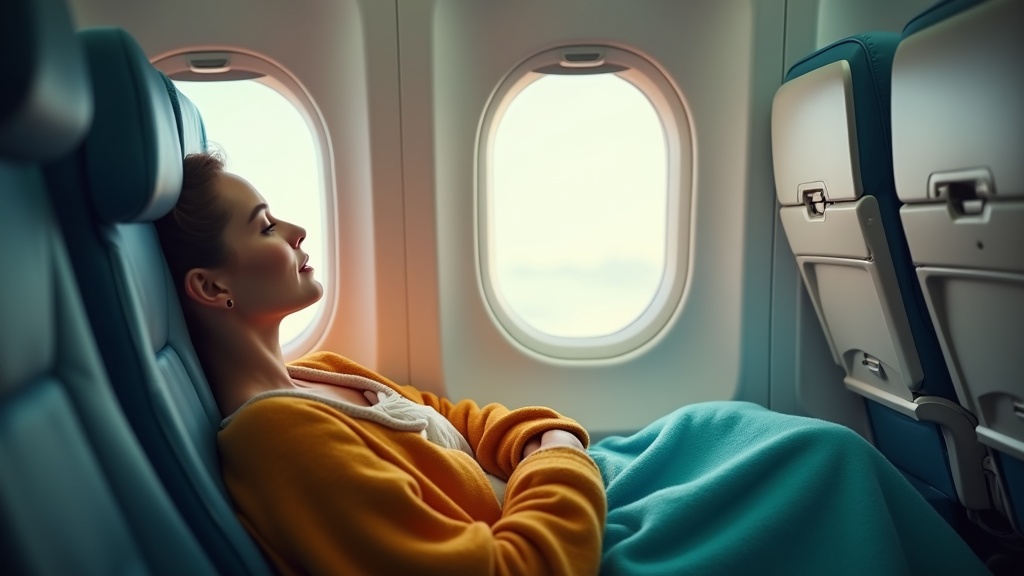
Flying doesn’t have to feel like an endurance test. A couple of smart accessories can turn a cramped middle seat into something surprisingly tolerable, and make a long flight feel almost restful instead of draining.
The trick isn’t buying everything on the market. It’s knowing which few items actually solve the specific problems that make flying uncomfortable for you. Maybe it’s impossible neck angles that leave you sore. Maybe it’s the relentless engine noise. Maybe it’s just never finding a position where your feet don’t go numb.
This guide walks through the flight comfort accessories that actually earn their place in your carry-on. We’re not here to sell you on gadgets you’ll use once and forget. We’re talking about the items frequent travelers swear by because they genuinely fix something annoying.
You won’t need everything on this list. Most people find two or three accessories that make all the difference for them personally. Someone who sleeps easily might only want noise canceling headphones and an eye mask. Someone with circulation issues might prioritize a footrest above everything else.
Think of this as a menu, not a checklist. Read through, notice what sounds like it would solve your particular flying miseries, and ignore the rest. Even one well-chosen item can transform how you feel when you land.
Start by matching accessories to your biggest discomforts
The smartest way to choose flight comfort accessories is to think about what actually bothers you most on planes. Not what your friend swears by, and not what some influencer calls essential. Your own worst discomfort.
Neck strain tops the list for most travelers, especially on flights longer than three hours. If you wake up with a sore neck or find yourself nodding off awkwardly, a travel pillow makes sense. Cold cabins are another big one. Airlines keep temperatures low on purpose, and a lightweight blanket or large scarf can make a huge difference if you’re someone who gets chilly easily.
Noise and light are the main sleep disruptors. If you’re trying to sleep through a daytime flight or you’re sensitive to engine hum and crying babies, noise canceling headphones or simple foam earplugs should be high on your list. An eye mask helps when the person next to you wants their reading light on for six hours straight.
Lower back pain and swollen feet get worse on longer flights, particularly in economy seats. A small lumbar support cushion or an under-seat footrest can help, but these make more sense on eight-hour flights than quick hops. Dry skin and boredom are real issues too, though they’re easier to solve with small items like moisturizer or a good book.
Your priorities shift depending on the situation. A red-eye flight calls for sleep gear. A cramped middle seat makes comfort more urgent than a roomy aisle. Start with one to three accessories that address your actual pain points, not a full kit of everything that exists.
Neck and sleep support beyond the basic travel pillow
The classic U-shaped travel pillow is everywhere for a reason. It keeps your head from flopping sideways when you doze off. But it’s not the only option, and it’s not always the best one.
Inflatable pillows pack down small and let you adjust the firmness by adding or releasing air. The downside is they can feel plasticky against your skin and trap heat. Foam or memory foam versions feel more comfortable but take up serious space in your bag. If you fly often, the bulk might be worth it. If you fly twice a year, inflatable makes more sense.
Wraparound styles cup your chin to stop the dreaded head drop that jolts you awake. Some people love this. Others feel claustrophobic or overheat quickly. Scarf-style pillows look less dorky and double as a layer when the cabin gets cold, but they offer less structural support.
Hooded neck pillows block light and peripheral distractions while supporting your head. They’re great if you’re sensitive to movement around you, but they add weight and warmth. Not ideal for hot sleepers or warmer climates.
Side sleepers often do better with a small headrest that attaches to the seat itself, letting you lean without putting all your weight on your neck. These work best on planes with adjustable side wings on the headrest.
Don’t overlook lumbar support. A small cushion behind your lower back changes the angle of your whole spine, which can keep your neck from craning forward. It’s an indirect fix, but it helps more than you’d expect.
One last thing: if your pillow touches the seat or tray table, bring a washable cover or wipes. Planes aren’t as clean as they look.
Leg, foot, and posture helpers that reduce fidgeting
Your legs and feet take the worst of it on a long flight. That restless feeling starts around hour two, when your knees are locked at an awkward angle and your feet are flat on the floor for too long. A footrest changes the geometry just enough to feel like relief.
The hammock-style footrest is the most popular option. It’s a fabric sling that hooks onto your tray table and cradles both feet, lifting them a few inches off the ground. This opens up the angle at your knees and takes pressure off your lower back. If you’re on the shorter side and your feet don’t quite reach the floor comfortably, a footrest makes a noticeable difference.
Inflatable footrests are bulkier but sturdier. They sit on the floor and prop your feet up without needing the tray table, which means you can use them during meal service. Simple strap-style versions loop around the seat legs in front of you and work fine if you just want a small lift.
Beyond footrests, small posture aids can help. A compact lumbar roll or a thin seat wedge shifts your pelvis forward slightly and keeps your spine from slumping. Some travelers just stuff a sweater or small bag under their feet as a makeshift prop.
One thing to keep in mind: footrests take up space in the row ahead of you. If the cabin is tight and the person in front reclines, a hammock-style footrest might not fit well. Pay attention to how much room you’re actually working with, and avoid anything that bumps or pulls on the seat in front of you. A little spatial awareness goes a long way in tight quarters.
Warmth and temperature control when the cabin won’t cooperate
Airplane cabins are notorious for running cold, especially on overnight flights when they dim the lights and crank up the air conditioning. Even if you board feeling comfortable, you might find yourself shivering three hours in with nothing but a thin airline blanket that barely covers your lap.
A packable travel blanket solves this problem without eating up luggage space. Look for ones that compress into their own pouch and are made from soft fleece or similar fabric. Skip anything scratchy or stiff because you’ll actually want to use it. Some people swear by their own blanket for hygiene reasons too, though airline blankets work fine if you’re not picky.
The real secret to staying warm on a plane is layering with small, strategic items. A pair of thick socks can make a huge difference since cold feet tend to make your whole body feel colder. Slip them on once you’re settled and take off your shoes. A lightweight beanie or headband keeps warmth from escaping through your head without looking like you’re ready for a ski trip.
A large scarf might be the most versatile item you can pack. It works as a blanket, a pillow, a head covering, or even something to drape over your shoulders like a shawl. Choose something soft and generously sized.
If you naturally run hot or you’re flying somewhere tropical, skip most of this. Bring layers you can remove instead, like a light cardigan over a tank top. The goal is control, not just more stuff. You want to adjust as the cabin temperature inevitably changes mid-flight without having to dig through your bag or suffer in silence.
Dryness, hygiene, and small items that help you feel human
Airplane air is notoriously dry. After a couple of hours, your lips crack, your skin feels tight, and your mouth tastes like old cardboard. A small kit of moisture-focused items can make a surprising difference in how you feel when you land.
Lip balm is the obvious starting point, but don’t stop there. A small tube of hand cream keeps your fingers from feeling like sandpaper. Face mist can be refreshing mid-flight, though skip it if you’re sensitive to sprays in enclosed spaces. Saline nasal spray helps when your nose feels like the Sahara, and chewing gum or lozenges keeps your mouth from going completely dry.
A mini toothbrush kit is one of those small luxuries that makes you feel instantly more human. Even just swishing some water and brushing your teeth can reset your mood after hours in the same seat. If you wear a face mask, toss a spare in your bag so you’re not stuck with a crumpled one.
Some travelers feel better with a bit of physical separation from shared surfaces. A disposable headrest cover or a light scarf draped over your seat can give you peace of mind without making a big production of it. Travel wipes are handy for your tray table, armrests, or your own hands before you eat.
None of this is about panic or paranoia. It’s just about feeling clean and comfortable in a space that can make you feel a little grimy. Small efforts add up when you’re stuck in the same spot for hours.
Device and media accessories that prevent neck strain and frustration
Watching a movie on your phone while holding it up gets exhausting fast. Your arm gets tired, your neck cranes forward, and twenty minutes in you’re more uncomfortable than entertained. A simple phone or tablet stand solves this completely. It props your screen at eye level so you can watch without hunching or holding anything.
If you prefer reading, a lightweight e-reader is worth considering. It’s easier on your eyes than a bright phone screen, and most models weigh less than a paperback. You can hold it comfortably for hours without the wrist fatigue that comes from balancing a tablet.
Dead batteries are one of the most preventable frustrations in air travel. A multi-port charger lets you power several devices from one outlet, which matters when your seat only has one plug. Pair it with a short charging cable so you’re not wrestling with six feet of cord in a tiny seat pocket.
A compact battery pack gives you backup power when outlets aren’t available or already claimed by someone else. Look for one that’s airline-approved and holds enough charge for your longest flight.
Small comforts add up over time. A soft cable organizer keeps your cords from tangling into a knot every time you reach for something. If you’re using a laptop, a simple wrist rest cushions your hand and keeps your wrist from pressing into hard plastic for hours.
One last trick: if the seat screen only has a headphone jack but you want to use your wireless earbuds, a Bluetooth transmitter plugs into that jack and streams audio to your own headphones. It’s a small adapter that saves you from wearing uncomfortable airline headphones on a long flight.
Lesser-known, high-impact comfort accessories people overlook
Most travelers stick to the usual suspects when packing for comfort. But a few less obvious items can make a surprisingly big difference, especially on longer flights or if you’re dealing with specific discomfort.
A small clip-on reading light gives you control over your personal lighting without disturbing your seatmate or relying on the overhead beam that never quite points where you need it. They’re especially useful on red-eye flights when the cabin is dark but you want to read or work.
Reusable silicone ear tips fit over standard earbuds to create a better seal. If your ears are shaped in a way that makes earbuds fall out or leak sound, these little adapters solve the problem for a few dollars. They come in different sizes and make a noticeable difference in how well noise canceling actually works.
Pressure-equalizing earplugs are designed specifically for flights. They help regulate air pressure changes during takeoff and landing, which can prevent that painful ear-popping sensation. Not everyone needs these, but if you’re prone to ear pain or congestion, they’re worth trying.
A compact massage ball or small roller helps release shoulder and neck tension that builds up from sitting in one position. You can use it against the seat back or even roll it under your foot. It takes up almost no space but feels surprisingly good after a few hours in the air.
Finally, a lightweight compressible tote keeps your book, snacks, and phone organized and within reach at your seat. It hangs from the tray table or tucks beside you, so you’re not constantly digging through the overhead bin or your backpack under the seat.
How to pack comfort accessories so you’ll actually use them
The biggest mistake travelers make isn’t buying the wrong comfort items. It’s burying them at the bottom of a carry-on where they become impossible to reach without unpacking half your bag in a cramped airplane aisle.
Think about when you’ll actually need each item. Your neck pillow and eye mask matter most during sleep hours, not at boarding. Your noise canceling headphones become essential the moment you sit down. Your footrest can wait until after takeoff when you’ve settled in. Grouping items by when you’ll use them makes everything easier to find.
A dedicated pouch for your seat comfort items changes everything. Keep it small enough to fit in the seat pocket or under the seat in front of you. This becomes your immediate-access kit for everything you need once you’re seated. No digging required.
Choose items that compress or fold flat whenever possible. A packable blanket takes up a fraction of the space compared to a bulky throw. Inflatable neck pillows collapse to nearly nothing. These choices add up quickly when you’re managing limited space.
Remember that airplane seat pockets are surprisingly small. You can’t fit a tablet, headphones case, water bottle, and three comfort accessories all within easy reach. Be realistic about what you’ll keep at your seat versus what can stay in your bag overhead.
Resist the urge to pack backups of everything. One eye mask is enough. You don’t need both a neck pillow and a lumbar pillow unless you have specific pain issues. Every duplicate item makes your carry-on heavier and your in-flight access more complicated.