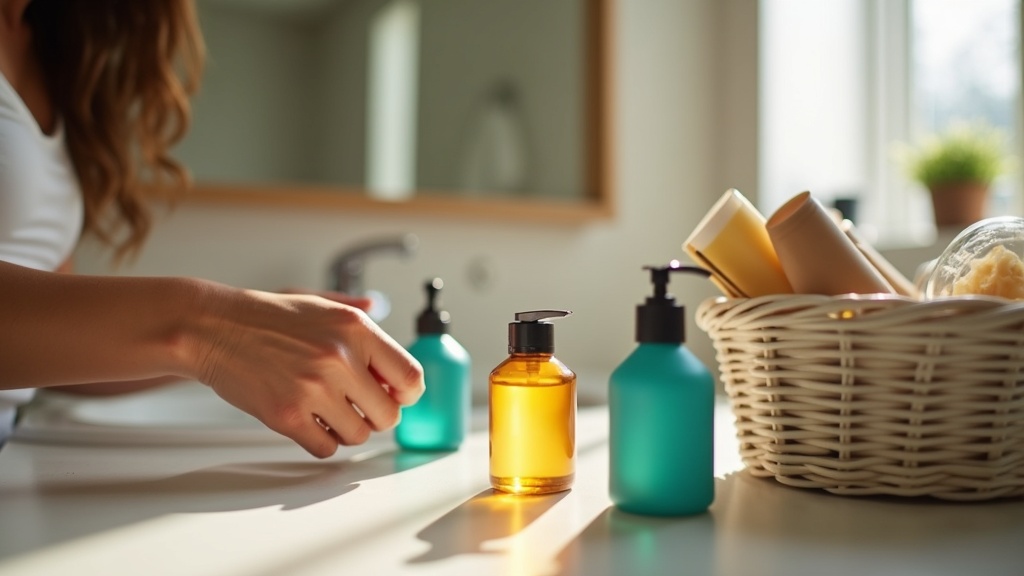
You know those tiny plastic bottles you grab at the drugstore before every trip? The ones that promise TSA-friendly convenience but end up half-empty in your bathroom drawer forever? They’re everywhere in travel culture, and they’re a problem.
Here’s the thing: most of us think we’re making decent choices when we buy those little containers or splurge on fancy “eco” travel kits wrapped in recycled cardboard. But peek inside those kits and you’ll often find the same disposable plastic, just with prettier packaging and a higher price tag.
Zero waste travel toiletries means actually creating no trash on your trip. Not less trash. Not recyclable trash. No trash. That sounds extreme until you realize it’s surprisingly doable, and honestly simpler than juggling twelve leaking mini bottles in a clear plastic bag.
The real shift happens when you stop trying to shrink your regular routine into tiny containers and start rethinking what travel hygiene actually needs to look like. We’re talking about solid shampoo bars that last for months, reusable containers you’ll actually use again, and ditching products you never needed in the first place.
This isn’t about being perfect or judging anyone’s toiletry choices. It’s about seeing through the greenwashing that’s taken over travel products and finding what actually works without the waste. Because once you crack the code, packing toiletries becomes the easiest part of any trip.
Start by mapping your routine to what you actually need
Before you buy a single reusable container or solid shampoo bar, take five minutes to write down what you actually use in a typical week. Hair care, body wash, face wash, toothpaste, deodorant, moisturizer, shaving supplies, period products if relevant. Just list it out honestly.
Now look at that list and ask yourself what really matters when you’re away from home. Some things are non-negotiable. You need to brush your teeth and wash your body. But that fancy toner you sometimes remember to use at home? Probably not essential for a long weekend.
Your actual needs will shift depending on where you’re going. A city break means you might care more about looking put together, so face products matter. A beach trip might mean more sunscreen and less makeup. Hiking usually simplifies everything because you’re sweaty anyway and nobody cares. Business travel often sits somewhere in the middle.
The goal here isn’t to shame yourself into traveling with three items and suffering through it. It’s about being realistic so you don’t drag along twelve products you won’t touch. That matters for zero waste because the most sustainable toiletry is the one you already own and will definitely use.
Think about what can pull double duty too. A good soap bar can wash your hands, body, and even clothes in a pinch. Your face moisturizer might work fine on dry hands. You don’t need separate products for every possible situation.
Once you’ve mapped out your actual routine, you’ll know exactly what needs to travel with you. That’s when you can start thinking about how to pack it without the plastic.
Pick solid and refillable options that don’t turn into a mess
Solid toiletries solve most of the problems that make zero-waste travel feel complicated. A bar of shampoo or a stick of deodorant doesn’t leak in your bag, doesn’t count toward liquid limits at airport security, and takes up about as much space as a deck of cards. You’re not wrestling with tiny bottles or worrying about spills on your clothes.
The trick is choosing solids that actually travel well. Good ones dry quickly after use, hold their shape in warm luggage, and don’t crumble into dust when you handle them. Bar shampoos and conditioners should feel firm, not chalky. Solid deodorant sticks should glide on smoothly without needing body heat to melt them. Toothpaste tablets or powders work great if you’re comfortable with the different texture, though some people find them odd at first.
Solids also make shared bathrooms easier. You can rinse a bar under the tap, give it a quick shake, and toss it in a soap tin without needing it to be bone-dry. That matters in hostels or when you’re moving between places quickly.
That said, some things just work better as liquids. Contact lens solution isn’t available in solid form. Sunscreen needs to spread evenly and reapply easily. Certain serums or treatments you rely on might not have solid versions that work the same way.
For these, refillable containers are the move. Look for sturdy squeeze tubes or small jars made from metal or thick plastic that you’ll use for years, not flimsy travel bottles you replace every trip. Decant from your full-size products at home, wash them out when you return, and refill them next time. It’s the same idea as solids: buy the container once, fill it forever.
Pack your kit so it stays clean, dry, and leak-free
The biggest reason people give up on reusable toiletries isn’t the products themselves. It’s the soggy mess that happens when you pack a wet bar of soap in a closed container. That slime is avoidable, and once you know how, zero-waste travel gets much easier.
Let your solid bars dry completely before you pack them. This sounds obvious, but it matters more than any gear you buy. After your morning shower, stand your soap or shampoo bar upright somewhere with airflow. If you’re rushing to catch a flight, wrap it loosely in a small cloth or put it in a container with drainage holes so air can still reach it.
Choose containers that don’t trap moisture. Metal tins with hinge lids look nice but create steam baths for your soap. Look for cases with slots, ridges, or small holes that let water escape. Fabric pouches work well for bars that are mostly dry. You can also use a simple washcloth as both a holder and a cleaning tool.
Keep wet and dry items separate while traveling. Use different pouches or sections of your bag so a damp washcloth doesn’t make everything else clammy. If you’re dealing with shared bathrooms or questionable surfaces, bring a small hook or carabiner to hang your toiletry bag instead of setting it on wet counters.
For the few liquids you truly can’t replace with solids, use containers with screw caps that actually seal, not flip tops that pop open in your bag. Put those bottles inside a separate sealed pouch or small dry bag. That way, if something does leak, it doesn’t ruin your clothes or mix with your other toiletries.
Plan for refills and replacements without buying disposable minis
Running out of something mid-trip doesn’t have to mean grabbing a plastic mini bottle at the airport. The easiest way to avoid this is simple: pack a little extra of your essentials. An extra toothpaste tab or two, a slightly larger shampoo bar, or enough deodorant to last beyond your return date gives you breathing room.
Some items are genuinely easy to replace almost anywhere. Bar soap exists in corner stores, supermarkets, and pharmacies worldwide, usually with minimal or no plastic packaging. If your shampoo bar runs out, regular soap works in a pinch. Toothbrushes are trickier, but most places sell bamboo ones now, or you can simply carry a spare from home.
Other products are harder to find without packaging. Specific skincare items, certain types of sunscreen, or specialty hygiene products might not be available package-free wherever you land. This is where multipurpose items become your best friend. A good oil can work as moisturizer, makeup remover, and hair treatment. A solid soap bar can double as shaving cream. The fewer individual products you rely on, the fewer things can run out.
When you’re stuck in a hotel or airport with limited options, it’s okay to be practical. If you desperately need something, buying one small item is still better than using a dozen single-use packets over the course of your trip. Some hotels offer refillable dispensers rather than tiny bottles. Ask at the desk if they have bulk options available, even if you don’t see them in your room.
The goal isn’t perfection. It’s having a backup plan that doesn’t automatically default to disposable plastic every time something unexpected happens.
Stay hygienic without relying on wipes and single-use items
The biggest worry people have about ditching wipes and disposable products is staying clean when you’re stuck on a cramped flight or camping without showers. But here’s the thing: a small square of washable cloth does the same job as a wipe, and often does it better.
Pack a few small washcloths or cut-up flannel squares in your toiletry kit. When you need to freshen up your face or hands, dampen one with water and a tiny bit of soap. You can do this in an airplane bathroom, at a train station sink, or even with water from your bottle if you’re camping. The cloth gets you properly clean instead of just smearing things around like wipes sometimes do.
For your body during long travel days, the same approach works. A damp cloth with soap can handle the essentials even in a tiny shared bathroom. Solid soap bars or soap leaves take up almost no space and work anywhere you have access to water.
The tricky part is what to do with used cloths until you can wash them. Keep a small wet bag or a sealed container in your toiletry kit just for dirty cloths. This keeps them separate from your clean items and prevents any dampness or smells from spreading. Some people use a ziplock bag, but a reusable wet bag lasts longer and doesn’t eventually tear.
When you separate clean and used items this way, there’s no cross-contamination in your bag. Your toothbrush stays far from anything dirty, and your fresh cloths stay fresh. It’s actually easier to stay organized than when you’re juggling half-used wipe packets that leak or tear open.
Match your toiletry kit to your trip and your values
There’s no single perfect zero waste travel toiletries setup because your priorities matter more than anyone else’s rules. Some people want absolutely zero plastic, while others are fine with reusable containers if it means less hassle. Some need fragrance-free everything, others want their favorite scents. Figure out what you actually care about before buying anything.
If you’re traveling carry-on only, solid toiletries become your best friend. A shampoo bar, solid lotion bar, and toothpaste tablets fit easily in your bag without worrying about liquid limits. You can pack light and skip the anxiety at security. This setup works especially well for frequent travelers who want the same simple routine everywhere.
Family trips need a different approach. Kids might resist switching to unfamiliar products, so start by replacing just one or two items with zero-waste versions. Bring refillable containers for things like sunscreen that everyone shares. The goal is progress, not perfection, especially when you’re managing multiple people’s needs.
Outdoor travel calls for durability above all else. Choose products that won’t leak, melt, or break if your pack gets tossed around. Solid soap works better than liquid when you’re camping. Metal or silicone containers hold up better than glass on trails.
The real trick is building a system you’ll use again and again. Buy one good metal tin instead of constantly searching for the next trendy eco-friendly toiletry kit. Find three or four products that work for your skin and hair, then stick with them. A zero-waste routine only works if you actually maintain it, which means choosing reliable over aspirational every time.