You want to travel lighter on the planet, but you’re tired of complicated advice and products that sound green but don’t actually work. You’re not alone. The travel world is full of accessories marketed as eco-friendly that turn out to be flimsy, impractical, or just regular products with a leafy logo slapped on.
Here’s the truth: sustainable travel doesn’t require a complete overhaul of how you pack. You don’t need to carry bamboo everything or spend hours researching the carbon footprint of your toothbrush. What actually makes a difference is choosing a few solid, reusable items that replace the disposable stuff you’d otherwise grab at airports and hotels.
The key is finding things you’ll genuinely use. A reusable water bottle only helps the environment if you actually refill it instead of buying plastic ones. A fancy zero waste kit doesn’t matter if it stays in your drawer because it’s too bulky or annoying to pack.
This guide focuses on accessories that pass a simple test: they work well, they replace something wasteful, and they don’t make traveling harder. No greenwashing, no guilt trips, and no products that only make sense if you’re hiking the Appalachian Trail. Just practical gear for regular trips, whether you’re flying for work, taking a weekend getaway, or planning that long-awaited vacation.
Small swaps add up. You don’t need to be perfect. You just need a few things that actually fit into your life.
How to spot greenwashing in travel gear without doing homework
The easiest test is asking yourself one question: what is this actually replacing? If a reusable water bottle saves you from buying dozens of plastic ones, that makes sense. If a bamboo travel case for your bamboo toothbrush just adds another thing to pack, it’s probably clutter dressed up as virtue.
Look at what something is made from, not just the color of the packaging. Words like “eco-conscious” or “earth-friendly” don’t tell you anything. They’re marketing fluff. Instead, check if the description mentions actual materials. Recycled plastic, organic cotton, stainless steel. If the product page is vague or just shows leaves and green fonts, that’s a red flag.
Think about whether you can fix it when something breaks. A reusable coffee cup that cracks after three months and can’t be repaired is basically expensive trash. Good travel gear should last years, not just look good on Instagram for a season. If it has replaceable parts or the company sells spare lids and seals, that’s a sign they’re serious.
Here’s the reality check: will you actually use this in six months? Be honest. That collapsible silicone bowl might seem clever now, but if it’s annoying to clean or takes up space you need for socks, it’ll stay home. The best eco-friendly travel accessory is one you’ll reach for every single trip without thinking twice.
When something seems too good to be true or the company won’t explain what it’s made from, trust your gut. You don’t need a PhD in materials science. You just need to ask basic questions and notice when nobody answers them.
Reusable water and drink tools that don’t slow you down
You already know plastic bottles are wasteful. The real question is whether swapping to reusable actually works when you’re hauling luggage through an airport or cramming everything into a daypack.
A good reusable water bottle needs to do three things well: open with one hand, fit in a cup holder or side pocket, and not taste like yesterday’s coffee. Look for something with a flip or push-button lid you can operate while carrying bags. Vacuum-insulated stainless steel keeps drinks cold without sweating all over your stuff, and it doesn’t absorb flavors the way plastic does. The downside is weight and bulk, but if you’re checking a bag or have room in your carry-on, it’s worth it.
When space is tight, a collapsible silicone bottle or cup solves the problem. These scrunch down to almost nothing when empty, then pop back out when you need them. They’re lighter than metal and genuinely packable. The trade-off is that they don’t insulate and some people find the floppy texture annoying to drink from. But for minimalist packers or day trips where you just need something that holds water, they’re hard to beat.
If you’re traveling somewhere refills feel iffy, a bottle with a built-in filter gives you options. These aren’t foolproof against everything, but they handle most tap water concerns and let you skip buying bottled water in places where that creates real waste problems. They’re heavier and need occasional filter replacements, so only pack one if you’re actually going somewhere it’ll get used.
Pick one that matches how you travel. Don’t carry all three.
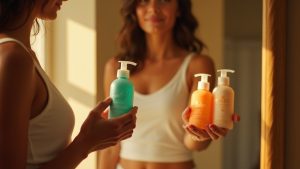
Toiletry upgrades that cut plastic and airport stress
Travel-size bottles are wasteful and annoying. You buy them, use a quarter of the product, then toss them or let them roll around your bathroom drawer for two years. There’s a better way that actually makes packing easier.
Refillable silicone bottles solve the leaking problem that plagued older squeeze containers. Look for ones with wide openings so you can actually clean them between trips, and labels you can write on with a marker. The key detail: make sure the cap has a tight seal and flips fully closed. Cheap ones pop open in your bag and ruin everything.
Solid shampoo bars get a lot of hype, but they’re not for everyone. If you want to try them, skip the naked bars that turn to mush. Get ones that come in a tin or case with drainage holes. Let them dry completely before closing the container, or you’ll open it to find a slimy mess. Same goes for bar soap. If solids feel too fussy for your routine, don’t force it.
A good toiletry case matters more than people realize. Look for one with separate compartments and waterproof lining. It doesn’t need to be fancy, but it should keep a leaking bottle from soaking your toothbrush. Clear panels help you spot what you need without unpacking everything at security.
One realistic swap: refillable deodorant in an aluminum case instead of disposable sticks. It works exactly the same way, you just buy refills. Safety razors can replace disposables if you’re comfortable with them, but they’re not essential. Skip anything that adds steps to your morning or requires special handling. The goal is less waste and less hassle, not a complicated new routine.
Laundry and clothing-care accessories that extend wear between washes
Here’s a truth about travel: you don’t need to wash your clothes as often as you think. A quick refresh can buy you another wear or two, which means packing less and doing laundry less often. That saves water, energy, and the hassle of finding a laundromat in a foreign city.
A compact travel clothesline or a set of suction-cup hooks makes a huge difference. You can air out worn clothes overnight or dry hand-washed items in your room. Fresh air does wonders for eliminating odors without any washing at all. Look for a stretchy cord with built-in clips or simple silicone hooks that stick to bathroom tiles.
For minor spills and spots, carry a small stain remover stick or a pack of soap sheets. These let you treat stains immediately before they set, so you’re not throwing an entire shirt in the wash because of one coffee drip. Soap sheets are paper-thin and dissolve in water, making them perfect for quick sink washes when you do need to clean something.
A small garment brush or lint roller keeps clothes looking presentable between washes. Brushing off dust, lint, and pet hair takes thirty seconds and makes yesterday’s shirt feel fresh again. It’s especially useful for darker clothing that shows every speck.
If you’re planning to do sink laundry, a lightweight mesh wash bag protects delicate items and makes the whole process less fiddly. You can agitate clothes inside the bag without tangling straps or stretching fabric.
None of these accessories will turn you into a minimalist packing guru with three items of clothing. But they will help you wear what you brought a bit longer, pack a bit lighter, and waste less water along the way.
Food and snack accessories that replace disposables in real life
Eating on the go creates most of the single-use waste when you travel. The good news is that a few simple swaps handle about 80% of it without making you feel like you’re hauling around a portable kitchen.
Start with a lightweight cutlery set that lives in your day bag. The key word here is lightweight. Skip the heavy stainless steel sets meant for camping. Look for something like a spork-and-knife combo made from bamboo or thin metal that weighs almost nothing and fits in a small pouch. You’ll use this at food courts, street markets, and takeaway counters way more than you expect.
A collapsible container is your secret weapon for leftovers, fresh fruit from markets, or that half-eaten sandwich. Silicone ones fold flat when empty, which solves the bulky-Tupperware problem. They’re not perfect for liquids, but they handle most real-world situations like a pastry, some grapes, or yesterday’s pizza slice. A quick rinse with water is usually enough until you can wash it properly.
For bags, get one that doesn’t panic when things get messy. A ripstop nylon bag with a simple clasp works for wet swimsuits, damp towels, or food items that might leak. It wipes clean in seconds and dries fast. This same bag also works as your grocery tote or beach bag, so it earns its space in your luggage.
As for reusable straws, only pack one if you actually use straws regularly. If you reach for them at home, a silicone straw with a tiny cleaning brush makes sense. If you don’t, skip it. The goal isn’t to carry every possible reusable item. It’s to replace the disposables you’d actually use.
Packing tools that are sustainable because they prevent waste
The greenest gear is the stuff you don’t have to replace. That’s where smart packing tools earn their spot in your bag. They’re not eco-friendly because they’re made from bamboo or recycled ocean plastic. They’re eco-friendly because they stop you from losing things, breaking things, and buying replacements.
Good packing cubes are worth the investment. Not the flimsy ones that rip after three trips. Look for sturdy fabric with strong zippers that can handle being stuffed into overhead bins for years. They keep your clothes organized so you’re not frantically unpacking everything at airport security or leaving a sweater behind in a hotel drawer.
A tiny repair kit takes up almost no space and saves so much hassle. A needle, some thread in a couple colors, a few safety pins, and maybe a small fabric patch. That’s it. When a strap starts to come loose or a button pops off, you can fix it in five minutes instead of replacing the whole item or walking around with a safety pin holding your pants together for the rest of your trip.
Cable organizers might sound boring, but a tough one prevents that nightmare of tangled, bent, or broken charging cables at the bottom of your bag. One durable organizer beats buying new cables every few months because the old ones got crushed or the connectors bent.
The key is choosing fewer, better-made pieces instead of collecting every organizing gadget you see online. You don’t need a complete packing system. You need three or four solid tools that actually protect your stuff and make packing less chaotic.
Materials and build details that make gear last longer
The most eco-friendly travel accessory is the one that doesn’t break after three trips. Sounds obvious, but it’s worth saying because a lot of “green” products fall apart faster than their conventional alternatives. That’s not helping anyone.
Look for reinforced seams wherever stress hits the item. Backpack straps, bag corners, and zipper edges take a beating when you’re hauling gear through airports or tossing things into overhead bins. Double stitching or bar tacks at these points mean the item can handle real use without unraveling.
Stainless steel is your friend for bottles, utensils, and food containers. It doesn’t pick up flavors, it survives drops, and it won’t crack in your checked luggage. If you see recycled fabric on a bag or pouch, that’s a nice bonus, but only if the material itself feels sturdy. Thin recycled polyester that tears easily isn’t better than nothing. It’s just future trash with a green label.
Simple closures last longer than complicated ones. A solid zipper beats a magnetic clasp that stops working after six months. Velcro wears out. Snaps can crack. The less fussy the design, the fewer things can go wrong mid-trip.
Replaceable parts are rare but worth hunting for. Some water bottles let you swap out the cap or the seal. A few bags offer replacement straps. When something small breaks, you fix it instead of throwing the whole thing away.
Natural fibers like canvas or organic cotton work well for lighter items like pouches or tote bags, especially when they’re treated to resist water or stains. Just make sure they’re thick enough to handle weight without stretching out of shape.
How to choose a small set of eco-friendly travel accessories you’ll keep using
The best way to avoid cluttering your life with unused eco-gear is to start with just one problem that actually annoys you when you travel. Not what looks good on Instagram or what your favorite influencer swears by. Your problem.
Think about your last few trips. Did you hate buying bottled water at the airport? Were you frustrated by leaky travel-size shampoo bottles? Did you end up throwing away half-eaten snacks because you had no way to store them? Pick the one thing that bothered you most often.
Now choose one item that solves that specific pain point. If it’s water, maybe a collapsible bottle. If it’s toiletries, perhaps a solid shampoo bar. Then test it before you commit. Use it at home for a week or take it on a weekend trip. You’ll quickly learn if it actually fits into your routine or if it’s just more stuff to manage.
Before you buy anything new, check what you already own. A lot of people end up with three reusable water bottles and two sets of utensils because they forget what’s in their closet. Eco-friendly travel isn’t about having the newest bamboo gadget. It’s about using what works until it wears out.
Be honest about cleaning and storage too. If an item needs special care or takes up half your bag, you probably won’t use it. A reusable coffee cup is great until you realize you never remember to wash it at hotel sinks. Choose things that match how you actually travel, not how you wish you traveled.