Travel comes with a plastic problem. Airport snacks wrapped in layers of cellophane, hotel toiletries in tiny bottles, takeaway meals in disposable containers. It adds up fast, and most of it heads straight to landfill because recycling bins are scarce when you’re on the move.
The usual advice sounds exhausting. Carry your own containers everywhere. Research zero-waste shops in every city. Pack half your suitcase with reusable gear. Who has time for that when you’re trying to catch flights and actually enjoy your trip?
Here’s the thing: reducing travel plastic waste doesn’t mean becoming a perfect eco-warrior. It means making a few smart swaps that actually work with how you travel, not against it. Small changes that don’t require extra planning, don’t take up half your luggage, and don’t leave you hungry or frustrated.
The tricks that work best are the ones you barely notice. A collapsible water bottle that fits in your pocket. Saying no to a plastic bag you’d throw away in five minutes anyway. Choosing the breakfast option that doesn’t come in seventeen layers of packaging. These aren’t grand gestures. They’re just slightly different choices that happen to create a lot less waste.
You don’t need to be perfect at this. You don’t need special equipment or a degree in sustainability. You just need a handful of practical strategies that fit into real travel, with its delays and airport food courts and moments when you’re too tired to care about anything except finding your hotel bed.
Pick the plastic hotspots that matter on your trip
Most travel plastic comes from just three places: drinks, food packaging, and tiny hotel toiletries. You don’t need to tackle all of them. Pick one or two that make sense for your specific trip and ignore the rest.
Think about where you’ll actually be spending your time. If you’re doing a city break with lots of walking, you’ll probably buy bottled water or coffee multiple times a day. That’s your hotspot. Carry a reusable bottle and suddenly you’ve cut out most of your plastic without thinking about it again.
Beach resorts are different. You might not be buying many drinks if your hotel has water stations, but you could be going through those little shampoo bottles every single day. Bringing your own toiletries in refillable containers makes a bigger difference here than worrying about the occasional plastic straw.
Road trips often mean lots of convenience store snacks and takeaway meals. If that’s your reality, focus there. Look for fruit you can eat without packaging, or stop at places where you can get food in paper instead of plastic clamshells.
Work travel tends to create plastic in hotel rooms and airports. A toiletry kit and a refillable coffee cup will handle most of it without adding any hassle to your schedule.
The key is being honest about what your days will actually look like. If you’re taking six flights with long layovers, bottled drinks at the airport will be your main issue. If you’re staying put at an all-inclusive resort, they probably won’t. Match your effort to where the plastic actually shows up, and skip the rest without guilt.
Handle drinks without relying on disposable bottles
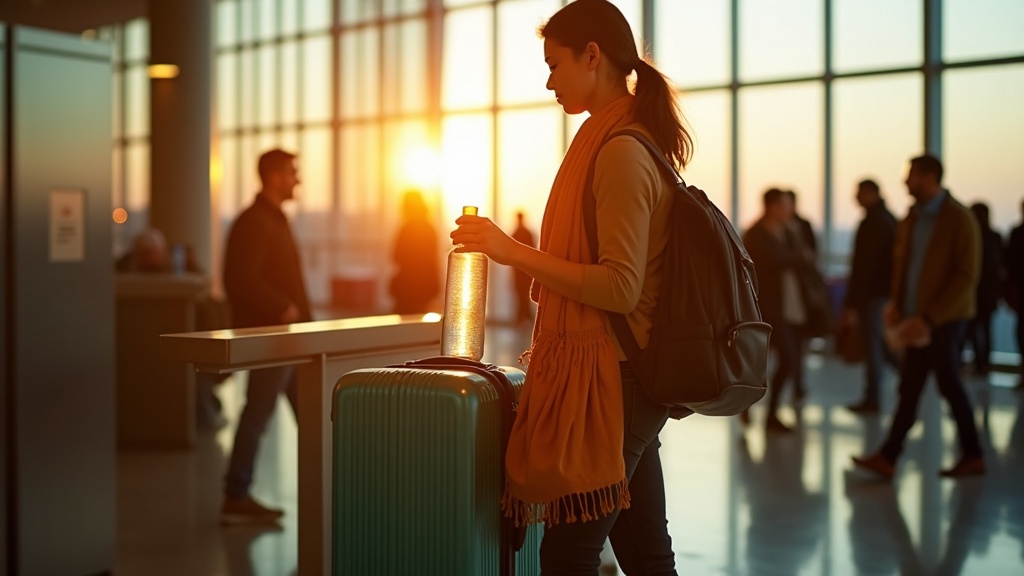
A lightweight reusable water bottle is one of the easiest ways to reduce travel plastic waste without adding hassle. Look for something collapsible or slim enough to fit in a day bag without taking up much room. The goal is to make it easy to carry, not to haul around a heavy flask.
The trick is knowing when and where you can refill safely. Many airports now have water stations past security, and most hotels will have drinkable tap water or a place to refill in the lobby. Get in the habit of topping up your bottle before you leave for the day or board a train or bus. Keep it somewhere accessible so you actually use it instead of buying a drink out of convenience.
In places where tap water isn’t safe to drink, you have a couple of practical options. You can buy larger bottles of water and use them to refill your reusable one throughout the day. This still cuts down on plastic because you’re buying one big bottle instead of several small ones. It’s not perfect, but it’s better.
If you’re traveling somewhere remote or doing a lot of hiking, a small filter bottle or purification tablets can be worth the space. These let you refill from sources that might not otherwise be safe. Just don’t assume you need this for every trip. Most travelers visiting cities or established tourist areas won’t need filtration gear at all.
The best approach depends on where you’re going and how much room you have. Start simple with a basic reusable bottle and adjust based on what actually works during your trip.
Keep toiletries simple while avoiding mini bottles and wrappers
Bathroom stuff creates a ridiculous amount of travel waste. Those little hotel bottles, single-use shampoo packets, and individually wrapped soaps add up fast. But you don’t need to overhaul your entire routine or become a DIY expert to cut way back on this plastic.
The easiest approach is to pick one or two small reusable containers and fill them with whatever you already use at home. A two-ounce silicone tube or small jar works for most trips and stays under the TSA liquid limit. Put tape around the cap threads before you screw the lid on tight. This creates a better seal and prevents leaks in your bag.
If you’re staying somewhere with provided toiletries, just use them. Yes, even the bottles. You’re not buying new plastic, you’re using what’s already there. It’s actually less wasteful than packing products you’ll barely touch.
Solid bars get a lot of hype in eco-friendly travel circles, and they can work great if you actually like using them. Shampoo bars and solid moisturizers skip the liquid limits entirely. But if they don’t fit how you normally do things, don’t force it. A small container of your regular lotion beats buying a solid bar you’ll use twice and abandon.
The real win is consolidating. One good moisturizer that works for your face, hands, and body means one container instead of three. A hair product that also tames flyaways saves space and plastic. Think about what you can combine without making your routine feel like a compromise. Multi-use products aren’t about sacrifice. They’re about packing smarter so you can reduce travel plastic waste without adding hassle to your trip.
Avoid surprise plastic from shopping and souvenirs
Shopping on the road is where plastic tends to sneak up on you. You’re wandering through a market or ducking into a pharmacy for sunscreen, and suddenly you’re holding three plastic bags you didn’t need. Each purchase comes wrapped in its own layer of packaging, and by the end of the trip, your suitcase is full of crinkly wrappers and flimsy bags you’ll toss the moment you get home.
The easiest fix is keeping a fold-flat reusable bag somewhere accessible. Tuck one in your daypack or jacket pocket. When a shop clerk reaches for a plastic bag, you’ve got an alternative ready. It takes zero extra effort once it becomes a habit, and you avoid that awkward pile of bags stuffed inside other bags.
Souvenirs are another plastic trap. That beautiful handmade item often comes wrapped in bubble wrap, placed in a plastic bag, then wrapped again for protection. If you’re buying fragile gifts, ask the seller if they have paper or fabric wrapping. Many local shops are happy to use less packaging if you simply mention you’re trying to travel light.
Better yet, look for souvenirs that don’t need much protection in the first place. Scarves, prints, spices, or small textiles pack easily without extra layers. Experiences like cooking classes or guided tours create memories without adding anything to your luggage at all.
When you do end up with packaging you didn’t plan for, don’t stress about it. Use those plastic bags as packing cubes for dirty laundry or wet swimsuits. Reuse bubble wrap to protect breakables on the journey home. The goal isn’t perfection. It’s just catching the plastic before it becomes automatic.
What to do when plastic is unavoidable
Sometimes you’re going to end up with plastic. The hotel bathroom has tiny bottles. The only water available at the airport comes in single-use containers. You forgot your reusable bag and groceries won’t fit in your pockets. That’s just how it goes.
The goal isn’t perfection. It’s reducing waste where it’s actually easy, and being smart when you can’t avoid it.
When you do accept plastic, think about how to make it count. Buy the bigger bottle instead of three small ones. Get the family-size snack pack rather than individual wrappers. One piece of plastic waste is better than five, even if it feels less virtuous in the moment.
Reuse whatever you end up with for the rest of your trip. That plastic water bottle you bought at the train station? Refill it for the next three days. The takeout container from dinner can hold tomorrow’s lunch. Hotel shampoo bottles make decent travel containers you can refill at home later.
Decline the extras whenever you can do it without hassle. You don’t need the plastic straw, the second layer of bags, or the individually wrapped mints at checkout. Just saying “no thanks” takes two seconds and prevents waste you’d immediately throw away.
Skip the guilt about not being perfect. A reusable water bottle you actually use every single day of your trip eliminates way more plastic than stressing over one emergency purchase. Sustainable travel is about the overall pattern, not each individual choice. Stay practical, stay safe, and reduce what’s realistically easy to reduce.
Build a tiny, flexible kit that won’t weigh you down
The key to actually reducing travel plastic waste is keeping your kit so small and light that you never think twice about bringing it. Four basics cover most situations: one reusable water bottle, one compact shopping bag, one food container or pouch, and one toiletry approach that skips the single-use bottles.
Start with the bottle. Choose something that fits easily in a backpack side pocket or your jacket. If it lives buried at the bottom of your luggage, you won’t use it. The same goes for your shopping bag. Get one that folds down to nothing and stash it in your day bag or coat pocket where you can actually grab it when you’re buying snacks or souvenirs.
For food, pick either a lightweight container or a reusable silicone pouch, depending on your trip style. If you’re mostly eating out, skip it entirely. If you pack lunches or save leftovers, bring just one. Make sure whatever you choose is easy to rinse out in a hostel sink or hotel bathroom.
Toiletries are where people either overthink it or give up entirely. You have two simple options: decant your regular products into small refillable bottles, or switch to solid versions like bar shampoo and toothpaste tabs. Solids weigh less and can’t spill, but liquids let you use what you already like. Pick based on your preferences, not what sounds most impressive.
The whole kit should fit in one quart-sized pouch and feel like no extra weight at all. If you’re debating whether to bring something, leave it out. The goal is a setup so effortless that forgetting it at home feels weird, not the other way around.